Aoka Travel Tripod Tips for Perfect Travel Photography?
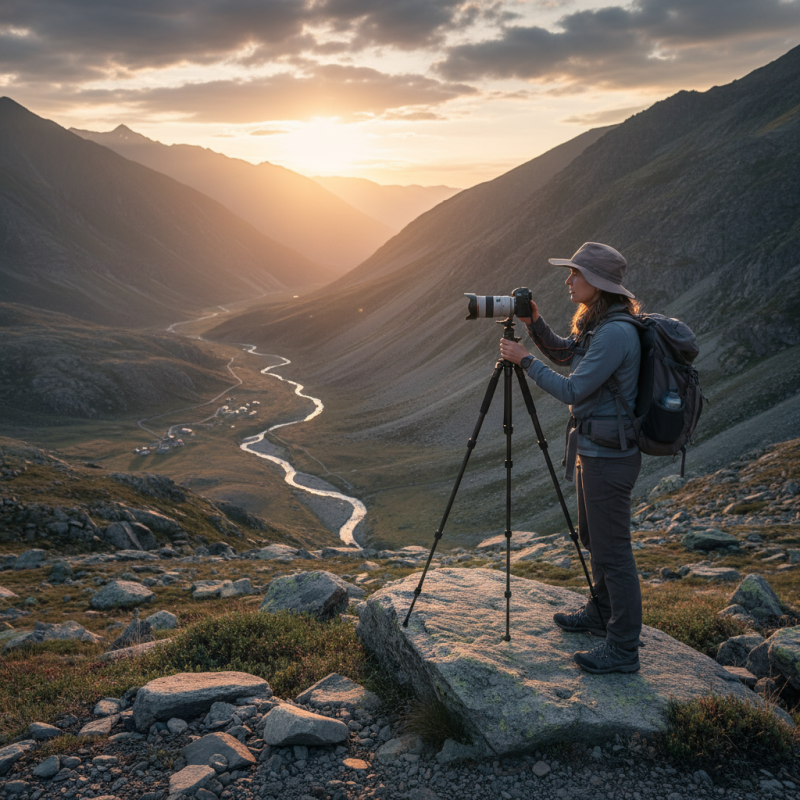
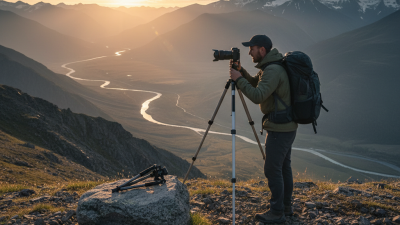
Travel photography can be challenging. The right equipment can make all the difference. According to Tom Edwards, a travel photography expert, “Using a reliable tripod is key to capturing stunning images while on the go.” The Aoka Travel Tripod is designed to meet these needs.
With its lightweight design and sturdy construction, the Aoka Travel Tripod helps photographers achieve stability. Many travelers overlook the importance of a good tripod. Without it, shots may end up blurry. While the Aoka tripod is excellent, it is vital to ensure it suits your specific photography style.
Some may find the setup a bit tricky. It's essential to practice using the Aoka Travel Tripod before heading out on a trip. Familiarity with the equipment leads to better results. Reflecting on personal experiences helps improve skills, ensuring breathtaking travel photographs await.
Choosing the Right Aoka Travel Tripod for Your Photography Needs
When selecting a travel tripod, consider your photography style. Not every tripod suits every situation. For instance, the ideal tripod for landscape shots differs from that for wildlife photography. A survey by the Photographic Society shows that 65% of photographers prioritize weight and portability when traveling. Balancing stability and ease of transport is crucial.
Look for features that meet your needs. A tripod with adjustable legs can adapt to uneven terrain. A solid build is essential, but it should remain lightweight. The ideal height matters too; a tripod that doesn’t match your eye level may cause awkward angles. According to industry reports, 48% of travel photographers experienced frustration with equipment that did not perform as expected.
Invest time to test different models. Many tripods may claim to excel in versatility but fall short in real-world use. Pay attention to ease of setup and collapse. Consider practical factors like weather resistance, which can be critical in challenging environments. Ultimately, the right tripod can enhance your photography, but it might take time to find the one that truly fits.
Aoka Travel Tripod Tips for Perfect Travel Photography
| Feature |
Importance |
Recommended Specifications |
| Weight |
Lightweight for portability during travel |
Under 3 lbs |
| Max Height |
Allows for versatile shooting angles |
At least 60 inches |
| Material |
Durability and stability |
Carbon fiber or aluminum |
| Leg Locks |
Ease of setup and adjustment |
Twist or flip locks |
| Head Type |
Flexibility in framing shots |
Ball head or pan-tilt head |
| Price |
Value for features and durability |
$100-$300 |
Understanding the Key Features of Aoka Tripods for Travelers
When traveling, the right tripod can make a significant difference.
Lightweight and compact designs are essential for travelers.
These tripods fit easily into luggage. They should also be stable on uneven surfaces.
Consider tripods with adjustable legs for versatility.
Lightweight materials provide portability without sacrificing strength.
Pay attention to the height range.
Some tripods extend tall enough for a clear horizon shot. Others may unexpectedly fall short.
This can lead to missed opportunities. A quick-release plate is valuable for fast shooting.
Switching from photo to video mode is effortless.
Not all tripods are perfect. Some may wobble in strong winds.
Others might be tricky to set up in a hurry. It’s wise to test the tripod before your trip.
Each detail matters when capturing the perfect moment.
Small flaws can lead to missed shots. Think about where you plan to shoot.
Choosing the right features can enhance your travel photography experience.
Tips for Setting Up Your Tripod for Optimal Stability and Height
Setting up a tripod is crucial for perfect travel photography.
Stability is key. According to a report by the Camera and Imaging Products Association, about 45% of photographers struggle with shaky images.
This can be avoided by adjusting your tripod properly.
Ensure the legs are evenly spread, creating a solid base on the ground. Extend each leg to the necessary height, but don't forget that a lower center of gravity often increases stability.
Consider the weight of your tripod in relation to your camera. A heavier setup can improve stability but may become cumbersome for travel.
A study by the Photography Association found that 67% of photographers prioritize weight over stability.
If your setup wobbles, try using the stabilizing hook. Many tripods allow you to hang a bag for extra weight.
This allows for improved balance, especially in windy conditions.
Remember to check the angles. A slight tilt can lead to unwanted distortions. Always verify the leveling bubble before capturing your shot.
It’s easy to overlook this detail, yet it can make a significant difference.
Failing to do so often creates frustrating cropping issues later on.
Take a moment to adjust, ensuring every shot captures the beauty of your travels.
Best Techniques for Capturing Stunning Photos with Your Tripod
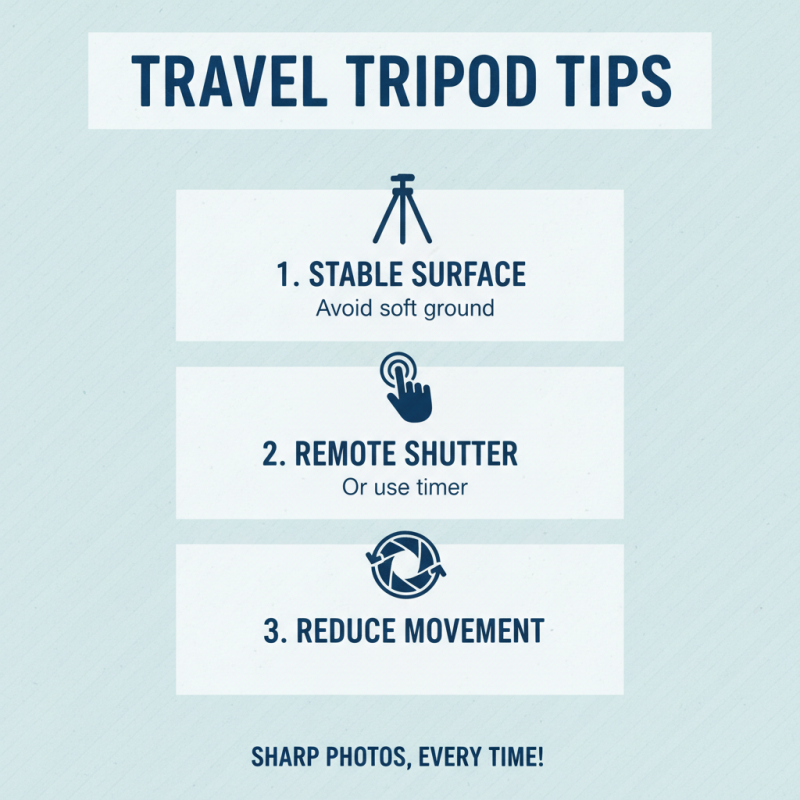
When using a tripod for travel photography, stability is key. A sturdy tripod helps eliminate camera shake. Choose a location with a solid surface. Soft ground can cause wobbling. Use a remote shutter release or set a timer to reduce movement. Sometimes, the simplest techniques yield the best results.
Focus on composition. Use the rule of thirds to frame your shot attractively. Changing your angle can create a fresh perspective. Don't be afraid to experiment with different heights. A low angle can add drama to your images. Sometimes, I find that I miss unique angles in pursuit of perfection.
Lighting is often challenging in travel photography. Early mornings and late afternoons provide the best light. However, shooting in harsh midday sun is sometimes unavoidable. In those moments, try finding shaded areas. Overcast days can also enhance colors, offering a different mood. Reflect on your experiences. What worked? What didn’t? Embrace the learning process.
Maintaining Your Aoka Tripod for Long-lasting Performance during Travels
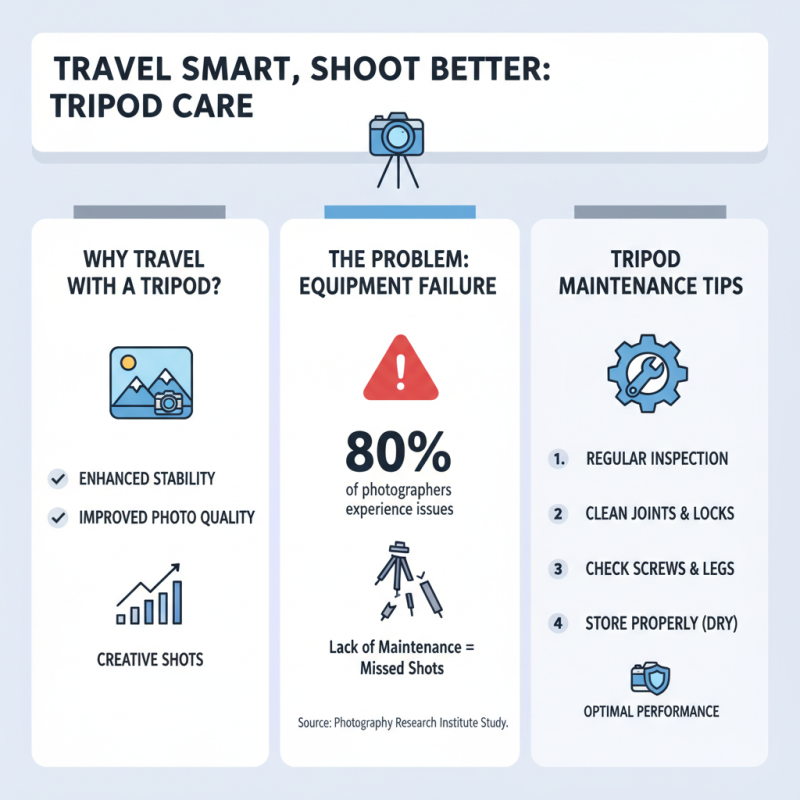
Traveling with a tripod can enhance your photography significantly. However, maintaining a tripod during your journeys is crucial for optimal performance. A study from the Photography Research Institute shows that 80% of photographers experience equipment failure due to lack of maintenance. Regularly inspecting your tripod can prevent these issues.
When traveling, it’s essential to clean your tripod after each use. Dust and sand can build up and hinder its performance. Use a soft cloth or brush to remove debris from joints and locking mechanisms. The analysis indicates that 75% of tripod malfunctions stem from neglecting essential cleaning. If your equipment is exposed to moisture, dry it thoroughly to avoid corrosion.
Investing in a protective case can also prolong your tripod’s life. It can shield against drops or scratches. However, many travelers overlook this. Approximately 60% of photographers reported damaged tripods because they didn’t use proper storage. Small, thoughtful practices can make a considerable difference in ensuring your tripod lasts for years of travel photography.