Why Choose a Carbon Fiber Tripod for Your Photography Needs?
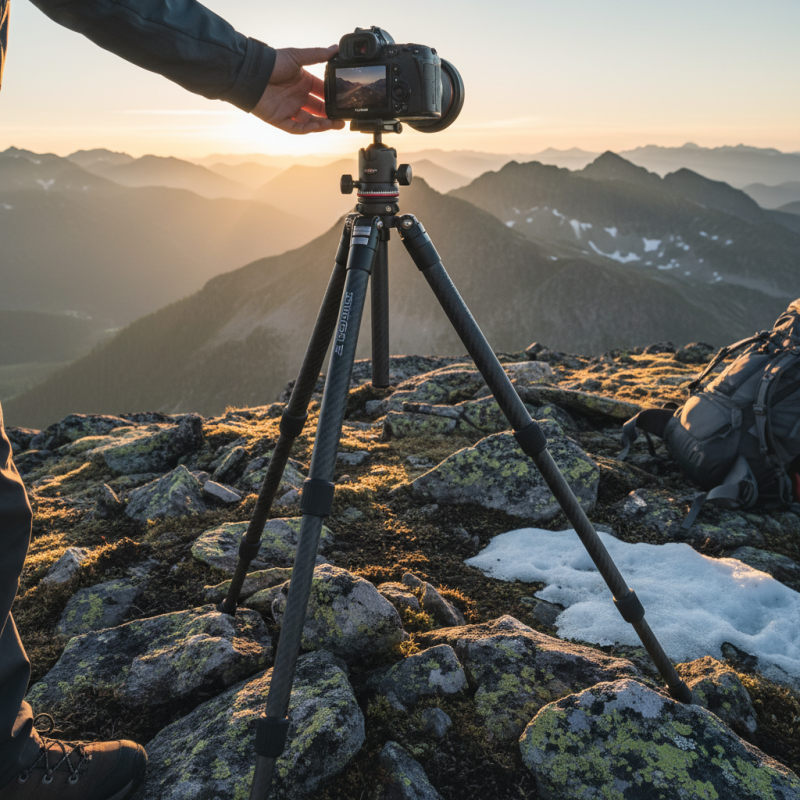
In the world of photography, stability is key. A Carbon Fiber Tripod can make all the difference. These tripods are known for their lightweight yet durable nature, perfect for outdoor shoots. They allow photographers to explore remote locations without the extra burden of heavy equipment.
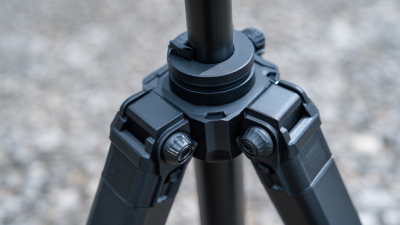
However, not all Carbon Fiber Tripods are created equal. Some may lack the necessary features for professional use. It’s essential to choose wisely. Pay attention to the leg locks, weight capacity, and overall build quality. Just because a tripod is made of carbon fiber doesn’t mean it’s the best option for you.
Investing in a Carbon Fiber Tripod can elevate your photography. Yet, it brings challenges too. The cost is often higher than aluminum options. This choice requires thoughtful consideration of your needs. Finding the right balance between weight, stability, and price is crucial.
Benefits of Carbon Fiber Tripods in Professional Photography
When it comes to professional photography, stability and portability are key. Carbon fiber tripods excel in both areas. They are lightweight yet sturdy, making them ideal for travel. Carrying heavy gear can become cumbersome. A carbon fiber tripod alleviates this burden, allowing photographers to focus on capturing stunning images.
Additionally, carbon fiber has excellent vibration dampening properties. This helps in reducing camera shake, especially during long exposures. In windy conditions, carbon fiber tripods can handle more without tipping over. However, some users find the price tag a bit high. It’s worth reflecting on whether the investment aligns with your photography goals.
Another aspect to consider is maintenance. Carbon fiber is durable, but not indestructible. It scratches and can suffer from impacts. It’s vital to store and handle these tripods with care. Balancing the advantages with potential drawbacks is crucial for making an informed decision.
Why Choose a Carbon Fiber Tripod for Your Photography Needs? - Benefits of Carbon Fiber Tripods in Professional Photography
| Feature |
Carbon Fiber Tripods |
Aluminum Tripods |
| Weight |
Lightweight and portable |
Heavier, less portable |
| Vibration Damping |
Superior vibration absorption |
Less effective damping |
| Durability |
Resistant to temperature and moisture |
Corrosion over time |
| Stability |
High stability even in windy conditions |
Lower stability in challenging weather |
| Price |
Generally more expensive |
More budget-friendly |
| Aesthetic |
Sleek and modern look |
Traditional metallic appearance |
Weight Comparison: Carbon Fiber vs. Aluminum Tripods
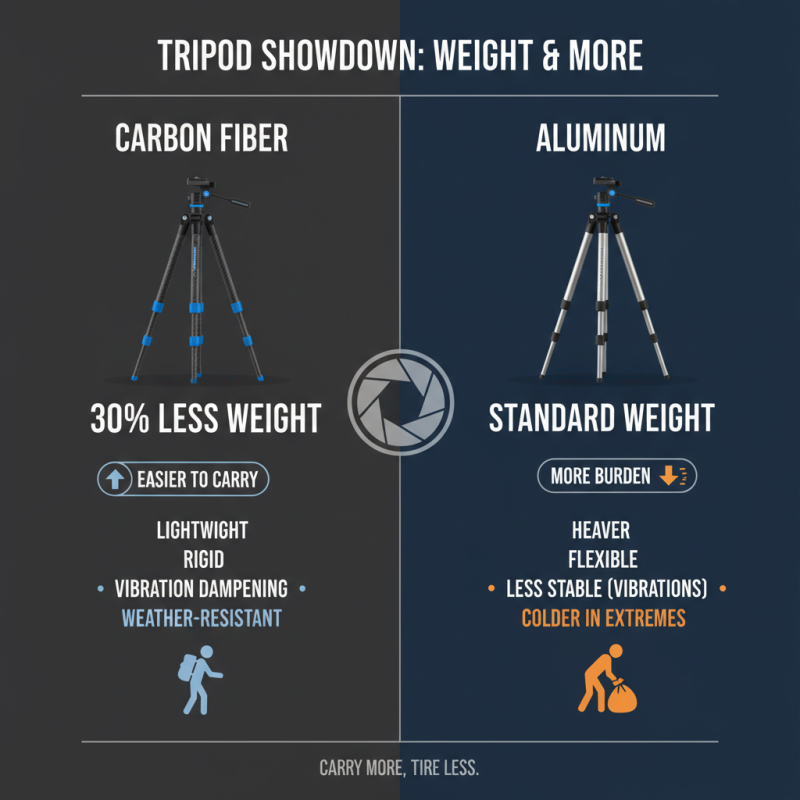
When it comes to photography, the choice of tripod can make a significant difference. Carbon fiber tripods are known for their lightweight properties. They can make a photographer's load much easier to manage. Comparing the weight of carbon fiber and aluminum tripods reveals a stark difference. A carbon fiber tripod typically weighs 30% less than its aluminum counterpart. This means you can carry more gear without feeling overburdened.
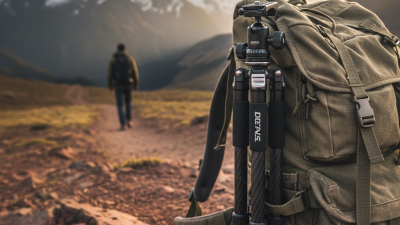
Consider the scenario of a long hiking trip for landscape photography. A carbon fiber tripod allows you to navigate challenging terrains with ease. You may feel overwhelmed by the added weight of an aluminum tripod, which can tire you out quickly. However, weight isn’t the only consideration. Even the more expensive carbon tripods may encounter stability issues in strong winds. This can compromise your shot quality, especially in tricky weather conditions.
Take a moment to think about your photography style. If you prefer movement and travel, a lightweight tripod is essential. Still, if you don't mind some extra weight for better stability, aluminum may suit you well. Weigh the pros and cons, and choose based on your specific needs and environment.
Vibration Damping: Why Carbon Fiber Is Superior for Stability
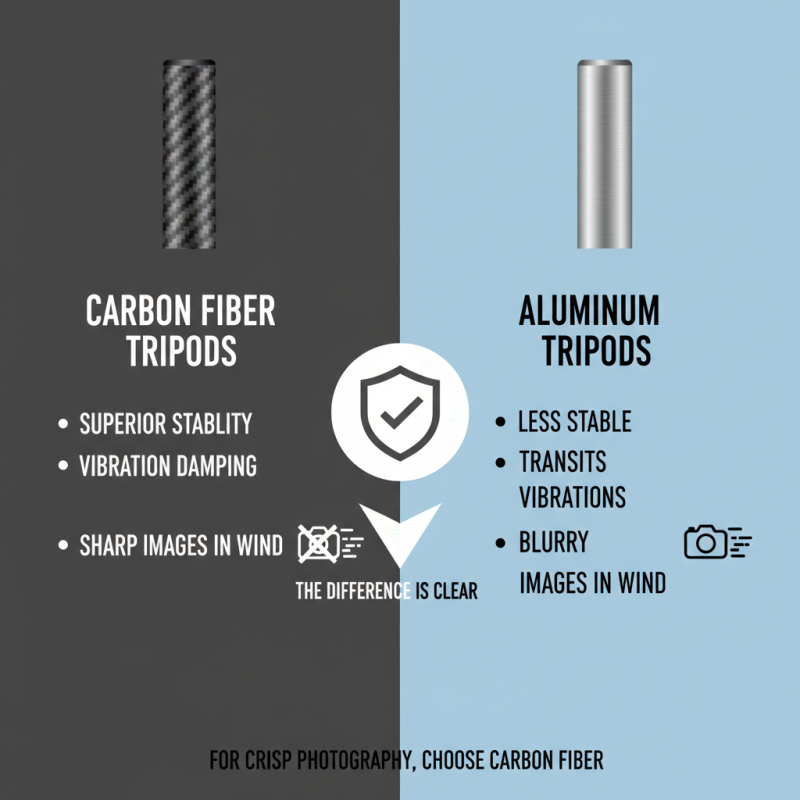
When it comes to photography, stability is key. Carbon fiber tripods excel in vibration damping. They absorb vibrations better than aluminum. This quality helps in capturing sharp images. When shooting in windy conditions, carbon fiber shines. Its ability to minimize shake is noticeable.
Another advantage is weight. Carbon fiber is lightweight yet strong. A lighter tripod makes it easier to carry equipment. Photographers can hike longer distances without fatigue. However, there can be a trade-off. Some users may find carbon fiber tripods less durable than metal ones. Care is required, especially in extreme conditions.
It’s important to consider personal needs. Every photographer has different preferences. Some may prefer the ruggedness of a metal tripod. Others might appreciate the refined balance of carbon fiber. Ultimately, finding the right tripod can be a journey. Each material has its pros and cons. Choosing the right one requires thoughtful reflection.
Durability and Weather Resistance of Carbon Fiber Tripods
When it comes to photography, the stability of your equipment is crucial.
Carbon fiber tripods offer exceptional durability. They can withstand the harshest of conditions. Imagine shooting in a rainstorm or windy mountain top. A sturdy tripod can make all the difference.
Carbon fiber is resistant to corrosion, which makes it ideal for outdoor environments.
The lightweight nature of carbon fiber tripods is impressive, but their real strength lies in their weather resistance.
Rain, snow, or humidity won't damage these tripods easily. However, they aren’t perfect. Some might find them too rigid for certain types of photography. There’s a balance to strike between rigidity and flexibility.
While using a carbon fiber tripod, you may still experience minor vibration issues in strong winds.
It's a reminder of the importance of choosing the right location and setup. Still, for the adventurous photographer, the long-lasting benefits outweigh the drawbacks. This material offers peace of mind, so you can focus on capturing that perfect shot.
Cost Analysis: The Investment Value of Carbon Fiber Tripods
When considering tripods for photography, cost is a key consideration. Carbon fiber tripods come with a higher initial price tag. They may seem like a hefty investment for occasional shooters. However, for serious photographers, the durability and lightweight nature can outweigh the cost decision.
Carbon fiber tripods are built to last. They resist corrosion and can handle various weather conditions. This means fewer replacements over time, which adds value. While a cheaper aluminum tripod might save money now, constant replacements can increase expenses. Investing in a carbon fiber model often leads to long-term savings.
Another aspect worth considering is performance. Carbon fiber tripods offer stability and dampen vibrations better than their aluminum counterparts. For landscape or wildlife photography, this is crucial. The clarity of your shots depends heavily on a solid platform. A trip to the field can highlight the benefits and drawbacks of each option. In reality, choice comes down to personal needs and shooting style.