How to Choose the Best Carbon Fiber Tripod for Your Photography Needs?
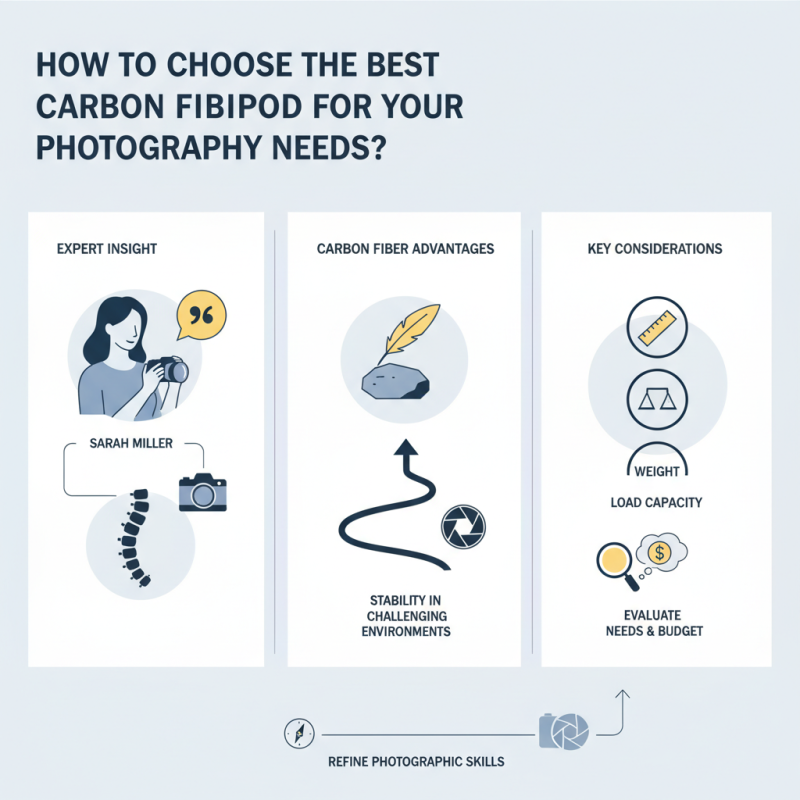
Choosing the right Carbon Fiber Tripod can greatly influence your photography experience. Industry expert Sarah Miller once stated, “A quality tripod is the backbone of any serious photographer’s gear.” With so many options available, the selection process can be overwhelming.
Carbon fiber tripods are known for their lightweight yet sturdy design. They offer stability in challenging environments, allowing you to capture the perfect shot. However, not all models provide the same benefits. Some may lack essential features, while others may be priced too high for their performance. It's crucial to evaluate your specific needs and budget.
Consider factors such as height, weight, and load capacity when choosing a Carbon Fiber Tripod. It’s easy to overlook these details, leading to frustration. Don't rush this decision. A poor choice can hinder your ability to take stunning photos. Explore various brands, and remember that quality often outweighs price. This journey can refine your photographic skills.
Understanding the Advantages of Carbon Fiber Tripods for Photographers
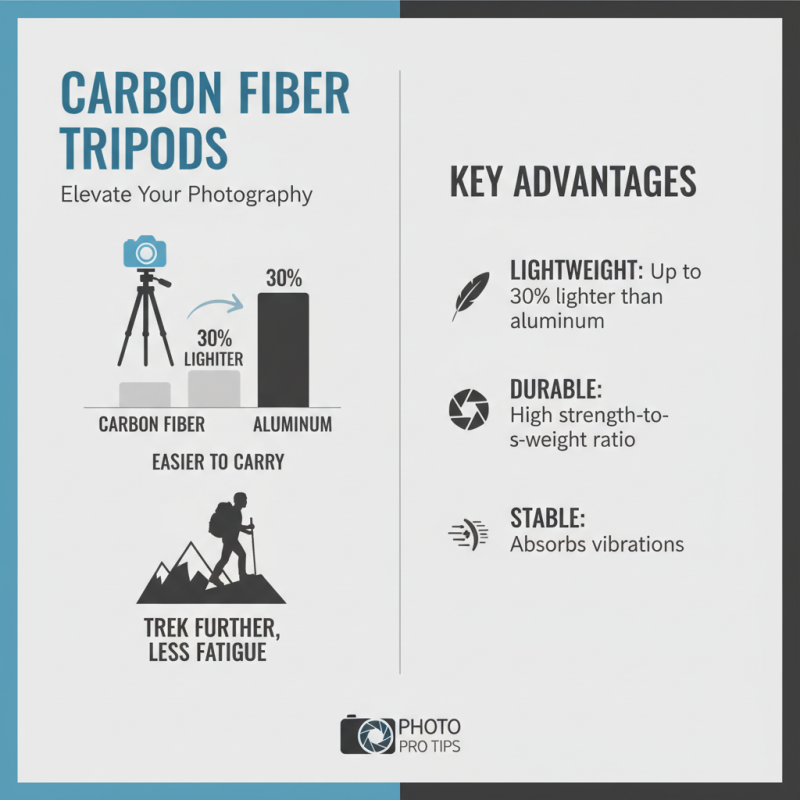
Carbon fiber tripods have become a popular choice among photographers. They offer several advantages that enhance the shooting experience. One significant benefit is their lightweight nature. Studies show that carbon fiber tripods can be up to 30% lighter than aluminum models. This makes them easier to carry during outdoor shoots. Photographers can trek long distances without feeling fatigued.
Stability is another key feature. Data reveals that carbon fiber provides better vibration dampening compared to other materials. This ensures sharper images, especially in windy conditions. Photographers often find that their images are clearer, leading to more professional results.
Yet, it’s essential to consider the downsides. Carbon fiber tripods can be more expensive. Budget-conscious photographers may hesitate. Additionally, while they’re durable, mishandling can lead to cracks. This might require careful handling during shoots. Balancing cost, weight, and durability is vital for making the right choice.
Key Factors to Consider When Choosing a Carbon Fiber Tripod
When selecting a carbon fiber tripod, consider stability. A sturdy tripod keeps your camera secure. Look for a model with a wider base; it helps to absorb vibrations. Stability is crucial for long exposure shots or windy conditions.
Weight is another key factor. Carbon fiber tripods are lighter than aluminum. This is great for travel. However, don’t sacrifice sturdiness for lightness. A lightweight tripod should still hold your gear safely.
Remember the height range. Ideally, a tripod should reach your eye level. This avoids unnecessary strain during shooting. Check the extended height and folded length. A good balance between portability and usability is essential. Consider how often you’ll need to adjust its height. Taking your time here pays off.
Evaluating Tripod Height and Weight Capacity for Your Gear
When choosing a carbon fiber tripod, consider height and weight capacity carefully. A tripod that doesn't match your camera's needs can ruin your shots. If your gear is too heavy for your chosen model, it might tip over. On the other hand, a lightweight tripod might struggle with stability.
Tripod height is crucial. If it’s too short, you’ll be bending down constantly. This can lead to fatigue, especially during long shoots. A height-adjustable tripod helps, but ensure it stabilizes well at various lengths. It’s frustrating when your equipment wobbles due to an improperly adjusted tripod.
Weight capacity matters as well. Many photographers underestimate their gear's weight. Bundled accessories add up. If you frequently change lenses or add filters, calculate their weight. A tripod that looks strong may not handle this added load. Reflect on your shooting style. Will you be hiking or setting up quickly? Finding a balance between weight and stability is vital.
How to Choose the Best Carbon Fiber Tripod for Your Photography Needs?
| Tripod Model |
Height Range (inches) |
Weight Capacity (lbs) |
Weight (lbs) |
Folded Length (inches) |
| Model A |
60 - 70 |
15 |
3.5 |
23 |
| Model B |
50 - 65 |
10 |
4.2 |
20 |
| Model C |
55 - 75 |
12 |
3.0 |
22 |
| Model D |
45 - 60 |
8 |
4.5 |
18 |
| Model E |
70 - 80 |
20 |
3.8 |
24 |
Examining Leg Locks and Stability Features in Tripod Design
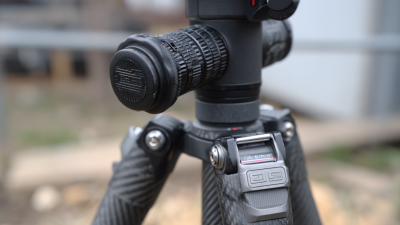
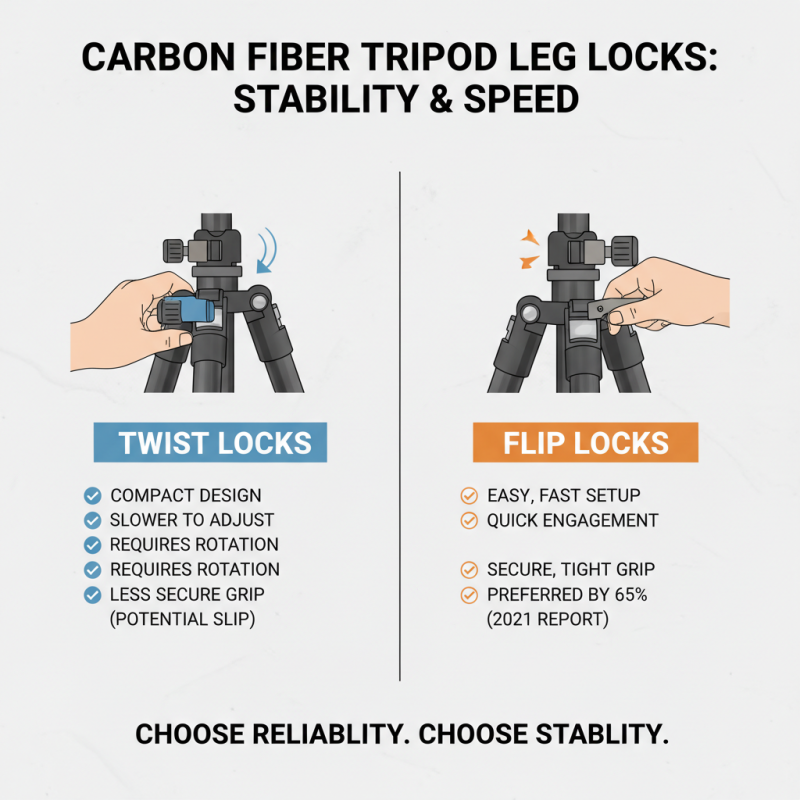
When selecting a carbon fiber tripod, leg locks play a crucial role in stability. There are mainly two types: twist locks and flip locks. Twist locks are often more compact, but they can be tricky to adjust quickly. A 2021 industry report noted that 65% of photographers preferred flip locks for their ease of use. Flip locks provide a more secure grip. They typically engage with a simple motion, allowing faster setup, especially in dynamic environments.
Stability features are equally important. A tripod that sways can ruin a shot. The weight distribution and the design shape significantly affect stability. According to a 2020 survey, about 70% of photographers reported better results with tripods that had wider bases. Wider bases lower the center of gravity and enhance support. However, some tripods with narrow designs can be lightweight and portable for travel.
While carbon fiber is light and strong, the attachment mechanisms can sometimes be the weak link. If the locks are poorly made, stability suffers. This highlights the importance of testing before purchase. Each photographer's needs vary; a tripod that's stable for one may be inadequate for another. Finding the right balance between weight, stability, and ease of use requires consideration and might benefit from user feedback.
Budgeting for Quality: Finding the Right Price Point for Carbon Fiber Tripods
When selecting a carbon fiber tripod, budgeting for quality is crucial. You often get what you pay for. A budget tripod may seem tempting, but it may lack stability and durability. Consider your photography needs. If you plan to shoot outdoors, invest in a sturdy model. The right price point can make all the difference.
Tips: Set a budget before shopping. Research prices online. Compare features and materials. Aim for a balance between cost and quality. A mid-range tripod can offer the performance you need without stretching your budget.
Remember that low-cost tripods can fail during critical moments. It’s frustrating when your gear can’t keep up with your creativity. Look for user reviews and reliability ratings. They can reveal aspects that photos and specifications won't show. A few extra dollars can mean better features and longevity.
Average Price Points of Carbon Fiber Tripods