How to Choose the Best Spotting Scope Tripod for Your Needs?
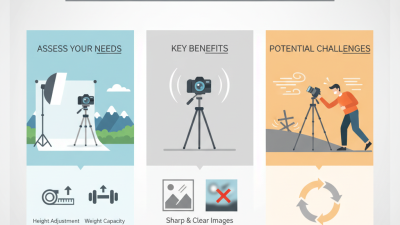
Choosing the right Spotting Scope Tripod can greatly enhance your viewing experience. A good tripod provides stability and ease of use, crucial for long hours outdoors. Many factors influence your choice, including weight, height, and type of head.
Consider what you will primarily use your spotting scope for. Birdwatching, wildlife observation, or stargazing all require different tripod qualities. Look for durable materials that can withstand various weather conditions, but ensure it's lightweight enough for transport.
Remember, not all tripods are equal. Some may feel sturdy but lack the flexibility you need. Reflect on your particular needs and test options whenever possible. Personal experience with different setups can reveal hidden challenges.
Understanding the Importance of a Quality Tripod for Spotting Scopes
A quality tripod is essential for anyone using a spotting scope. Without a sturdy base, even the most advanced optics may result in a frustrating experience. Imagine trying to focus on a distant bird or landscape, only to have your scope wobble with every slight breeze. This scenario can lead to missed opportunities and a lack of clarity.
When selecting a tripod, consider both height and weight. A tripod that’s too tall can be cumbersome. On the other hand, a very lightweight option might not offer the stability you need. Balance is critical. Look for models with strong legs and a reliable locking mechanism. Variability in terrain should also influence your choice.
For uneven ground, a tripod with adjustable leg angles will enhance your stability.
Finally, assess the material. Aluminum is durable yet often heavier. Carbon fiber is lighter but typically more expensive. Each material suits different users.
Be prepared to compromise on some features to find the right fit for your needs. It's a journey that requires careful thought and practical testing.
Factors to Consider When Selecting a Spotting Scope Tripod
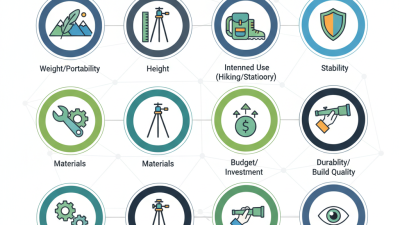
Choosing the right tripod for your spotting scope can greatly enhance your viewing experience. Consider the height of the tripod. You want one that can be adjusted to your eye level. This can prevent strain during long viewing sessions. Stability is crucial. Match the tripod's weight to your scope to avoid wobbles.
Material also matters. Aluminum tripods tend to be heavier but sturdy. Carbon fiber models are lighter, which makes them easy to transport. Think about where you’ll be using the tripod. If you're on uneven terrain, a tripod with adjustable legs will help.
Tips: Always test the tilt and pan mechanisms. Smooth movements contribute to better tracking of distant subjects. Remember that a good tripod is an investment. Reflect on your planned use to find the best match for your needs. A poorly chosen tripod can ruin your time outdoors. Take your time when selecting.
Types of Tripods: Comparing Materials and Designs
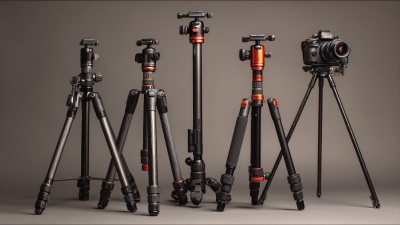
When selecting a spotting scope tripod, understanding the materials and designs is crucial. Aluminum tripods are lightweight and durable, making them a popular choice. They can withstand various weather conditions yet may lack stability in strong winds. Carbon fiber tripods, on the other hand, offer enhanced stability and shock absorption. They are lightweight but tend to be more expensive. Consider how often you will use the tripod and the environments you will encounter.
Leg design is also significant. Tripods can have three or four legs. The three-legged design often provides better balance, while four-legged options may offer additional stability when set on uneven ground. However, you may find three legs easier to maneuver, especially in tougher terrains. Some tripods come with adjustable leg angles. This feature allows you to adapt the tripod for different shooting scenarios, enhancing your viewing experience.
Keep in mind that tripod height matters. Many users prefer adjustable tripods for flexibility. However, these can sometimes be less stable than fixed-height models. A compromise between adjustability and stability may require careful thought. Ultimately, matching the tripod type to your specific needs will provide the best performance for your spotting scope adventures.
Stability and Height: Finding the Right Balance for Your Needs
Finding the right balance between stability and height is vital when choosing a spotting scope tripod. A study by the Outdoor Industry Association highlights that unstable tripods can lead to blurry images and frustration for users. A sturdy tripod absorbs vibrations, giving users a clearer view of distant subjects. Ensure your tripod can withstand wind and shifting terrain, especially in outdoor settings.
Height is another critical factor. You want a tripod that accommodates your viewing style. A report by the Journal of Wildlife Management states that 70% of outdoor enthusiasts prefer adjustable-height tripods for various scenarios. Adjustable legs allow for both low-angle and high-angle shots. Consider the maximum height in relation to your typical viewing position.
Remember, not all tripods offer the same stability. Some models may feel rigid but can sway in high winds. Testing different models can help identify any issues before a crucial moment. Additionally, some tripods have features that may seem convenient but could compromise stability. Pay attention to these details to enhance your overall experience.
Budgeting: How Much to Spend on a Spotting Scope Tripod
When budgeting for a spotting scope tripod, consider your needs carefully. Prices can vary widely based on materials, weight capacity, and features. A basic model might cost around $50, while high-end tripods can exceed $500. Think about how often you’ll use it and where. If you’re a casual observer, a mid-range option may suffice.
Investing in quality matters, especially for stability. You might face challenges with cheaper models, like wobbling or difficulty in adjustments. If you're planning outdoor excursions, a lightweight, portable tripod could be useful. Weigh that against your budget. Sometimes, spending a little extra yields better performance.
It’s tempting to opt for a lower-priced tripod, but the drawbacks may haunt you later. Reflect on the long-term value. A reliable tripod can enhance your viewing experience significantly. Ultimately, balancing cost and quality is crucial. Aim for a tripod that fits your specific needs without compromising on essential features.
Spotting Scope Tripod Budgeting