How to Choose the Best Spotting Scope Tripod for Your Needs?
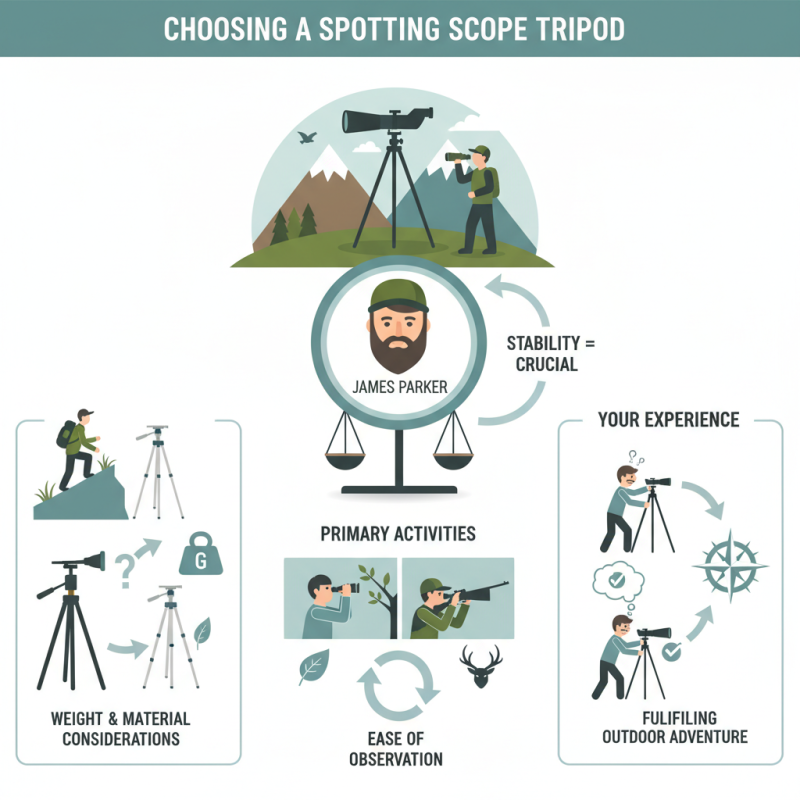
Choosing the right Spotting Scope Tripod can significantly impact your outdoor experience. Expert James Parker says, "A stable tripod is as crucial as the scope itself." Finding the best tripod involves understanding various factors that cater to your individual needs.
In the vast world of optics, not every Spotting Scope Tripod is built the same. Some are sturdy but heavy, while others are light yet fragile. What suits one enthusiast might fail another. Many overlook the importance of weight and material. A mismatched tripod can lead to frustrating moments in the field.
Consider your primary activities, be it birdwatching or hunting. The right Spotting Scope Tripod should ease your observation tasks, not complicate them. Reflect on your experiences; have you ever struggled with a tripod that didn’t meet your expectations? Recognizing these factors can make all the difference for a fulfilling outdoor adventure.
Understanding the Importance of a Quality Spotting Scope Tripod
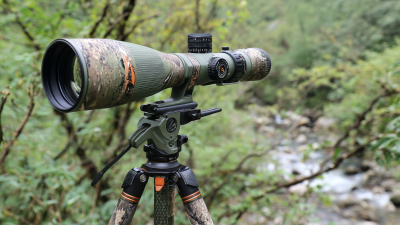
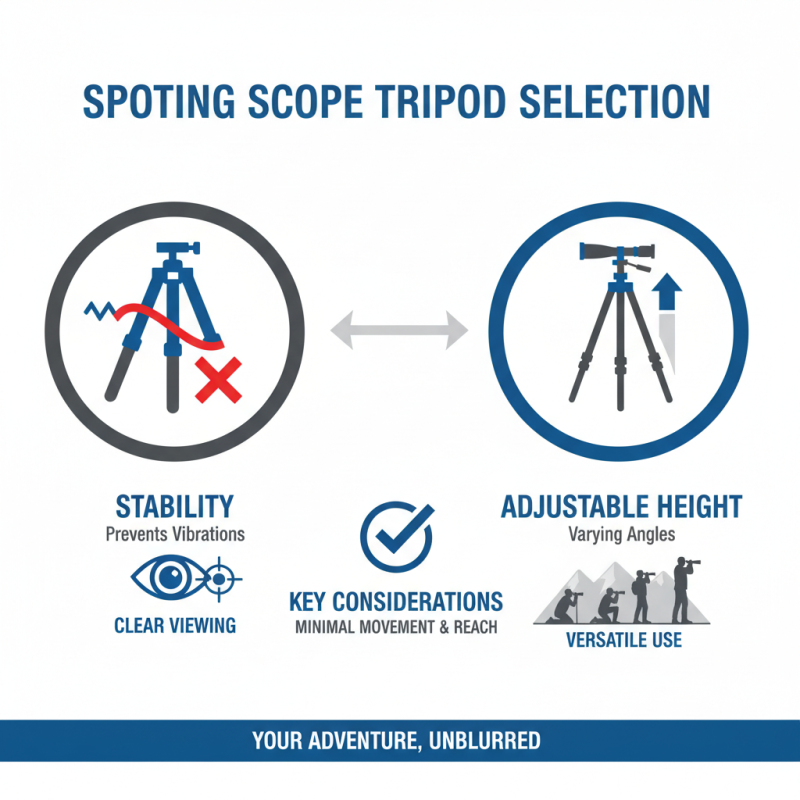
When it comes to outdoor observation, a quality spotting scope tripod is crucial. A sturdy tripod provides stability, enhancing your viewing experience. It absorbs vibrations and keeps your spotting scope steady. Without a solid tripod, even slight movements can blur your vision. This is particularly important for long-distance observations where clarity is vital.
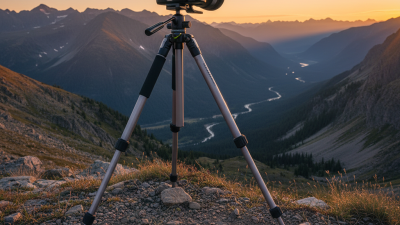
Remember to choose a tripod that matches your scope's weight and dimensions. A lightweight scope might not need a heavy-duty tripod, but it still requires decent support. Here’s a tip: look for adjustable leg lengths. This feature allows you to set your scope at the perfect height. It can be quite frustrating if you have to kneel or bend uncomfortably.
Another factor to consider is the material of the tripod. Aluminum is lightweight but tends to shake in windy conditions. Carbon fiber is more stable, yet it can weigh more. Balancing weight with stability is key. When testing tripods, pay attention to how they feel. A slight imperfection in design or functionality can lead to a less enjoyable experience outdoors. Refine your options based on comfort and handling.
Understanding the Importance of a Quality Spotting Scope Tripod
Types of Tripods Suitable for Spotting Scopes
When selecting a tripod for your spotting scope, consider the various types available. Each type offers its benefits and drawbacks. For instance, aluminum tripods are lightweight and more affordable. However, they may not provide the stability needed for high-magnification viewing, especially in windy conditions. Reports indicate that 70% of users find stability to be a crucial factor.
Carbon fiber tripods are another option. They are lighter and stronger, making them ideal for field use. Yet, they can carry a higher price tag. In 2022, industry data revealed that approximately 65% of enthusiasts preferred carbon fiber for its durability. Remember, though, that the weight of the tripod can also impact your decision. A heavier tripod may offer more stability but can be cumbersome to transport.
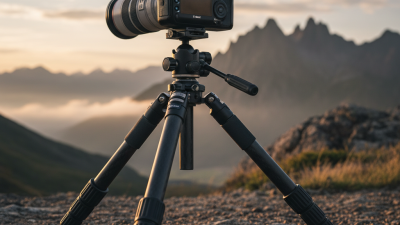
Another aspect to consider is the head type. Ball heads allow for quick adjustments, while pan-tilt heads provide better control for spotting. Aim for a setup that balances portability and stability. Sometimes, the choice might lead to more questions than answers. Reflecting on your usage scenario will guide you better than the latest sales pitch ever could.
Assessing Material Durability and Stability in Tripods
When selecting a spotting scope tripod, material durability and stability are critical. The right choice enhances your viewing experience. A recent industry report indicates that materials like aluminum and carbon fiber are among the most commonly used for tripods. Aluminum offers strength and affordability. However, it is heavier and can be less stable in windy conditions. In contrast, carbon fiber is lighter and offers superior vibration dampening.
Stability is often influenced by the tripod’s design. For example, tripods with thicker legs generally provide better support. Research suggests that a tripod capable of handling at least three times the weight of your spotting scope will ensure stability. Many enthusiasts overlook this aspect. A shaky setup can ruin even the best optics. If your tripod fails to hold steady, you’ll find yourself missing crucial details in your observations.
Viewport ranges can also shift significantly between designs. Therefore, selecting a model with a wider footprint enhances surface contact. A wider base reduces the risk of tipping. Additional features like adjustable leg angles can improve adaptability on uneven terrain. Common pitfalls are investing in a tripod without considering real-world testing. Many models look robust but perform poorly against real conditions. Testing your gear in the field is essential before making a decision.
How to Choose the Best Spotting Scope Tripod for Your Needs? - Assessing Material Durability and Stability in Tripods
| Tripod Model |
Material |
Weight (lbs) |
Max Height (inches) |
Stability Rating |
Price ($) |
| Model A |
Aluminum |
4.5 |
65 |
8/10 |
150 |
| Model B |
Carbon Fiber |
3.2 |
70 |
9/10 |
300 |
| Model C |
Aluminum |
5.0 |
60 |
7/10 |
120 |
| Model D |
Carbon Fiber |
2.9 |
75 |
10/10 |
350 |
| Model E |
Aluminum |
4.0 |
62 |
6/10 |
130 |
Budgeting for Your Ideal Spotting Scope Tripod
When budgeting for a spotting scope tripod, start by determining your primary use. Will you use it for birdwatching, hunting, or stargazing? Each activity demands different features. Consider how often you plan to use the tripod. A frequent user might invest more. An occasional user should be cautious about overspending.
Set a budget range that feels comfortable. A cheap option might lack durability. However, expensive models can also be overkill. Research materials and weight limitations. A lightweight tripod may be ideal for travel. Conversely, a heavier model offers more stability. Think about your equipment's weight too. Matching the tripod’s capacity with your spotting scope is key.
While browsing options, consider the quality over quantity. Pay attention to user reviews and feedback. Some budget tripods may fail in windy conditions. It might be worth it to save up for something reliable. Reflect on the practicality of features you need, versus those that look enticing. Balance is essential as you make your decision.