How to Choose the Best Travel Tripod for Your Adventure?
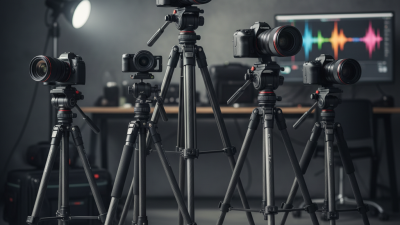
Choosing the right travel tripod is crucial for capturing stunning photos during your adventures. A quality travel tripod can enhance your photography experience, providing stability and flexibility. However, with so many options available, it can be overwhelming to make a decision.
Consider the features that matter most to you. Weight and compactness are essential for easy transport. However, some lightweight models may lack stability. A good travel tripod should balance both portability and sturdiness. Pay attention to the materials used. Aluminum tripods are durable yet heavier, while carbon fiber models are light but more expensive.
Don't forget to think about your photography style. Do you plan to shoot at night? A steady tripod is a must. Are you traveling in rugged conditions? Choose a tripod that can handle various terrains. Reflect on your needs and how often you will use it. The best travel tripod for you might not be the most popular one. Explore your options carefully to avoid buyer's regret.
Understanding the Importance of a Travel Tripod for Outdoor Photography
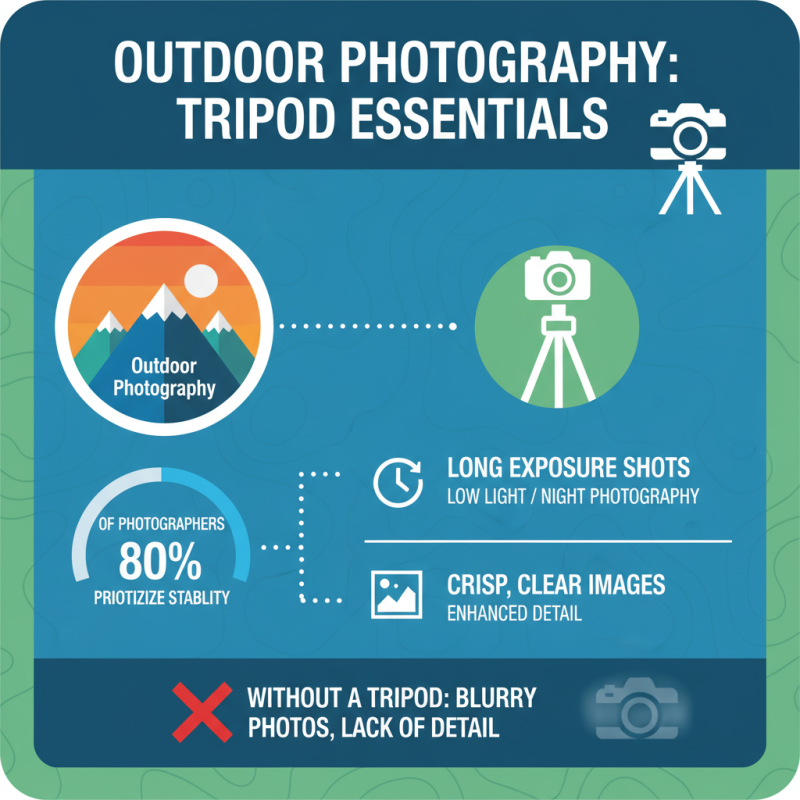
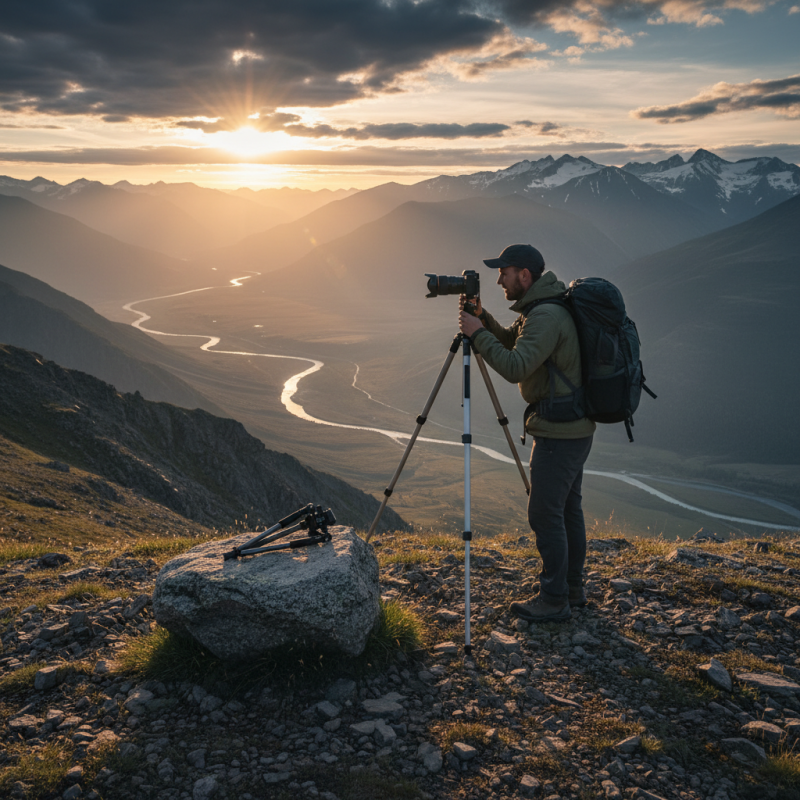
When venturing into outdoor photography, choosing the right travel tripod can be crucial. Data shows that almost 80% of outdoor photographers consider stability vital for capturing sharp images. A sturdy tripod allows you to play with long exposure times, which is essential when shooting in low light conditions. Without one, your photos may lack clarity and detail.
Consider the weight of the tripod. Research indicates that a lightweight model is preferred by 65% of photographers. However, many lightweight tripods sacrifice stability. This trade-off can lead to frustration during shoots. Always balance portability and sturdiness based on your specific needs.
Tips: Check the maximum height of the tripod. It should be tall enough to avoid bending. Also, consider the material. Carbon fiber is lighter but pricier. Aluminum is affordable but heavier. Reflect on how much you’re willing to carry on hikes. An inappropriate choice can detract from your experience.
Key Features to Look for in a Travel Tripod
When choosing a travel tripod, weight matters. Look for a lightweight option that fits easily into your bag. Carbon fiber is popular for its durability and lightness. A compact design is essential. A tripod that can fold down to a smaller size makes travel easier. It won’t take up too much space in your luggage.
Stability is another key feature. A tripod with sturdy legs will prevent shaking. Consider the legs' locking mechanisms—twist locks or flip locks each have their benefits. Adjustability is crucial. Look for a model that allows varying heights to capture the perfect shot. A ball head can provide flexibility in angles, enhancing creativity.
Tips: Always test your tripod before your trip. This helps you understand its setup and limitations. Packing an inflatable pillow can stabilize your camera during windy conditions. Reflect on your needs; sometimes, a simpler design may better suit your travel style. Adjusting to your gear will improve your photography experience.
Evaluating Weight and Portability for Travel Convenience
When choosing a travel tripod, weight and portability are key factors. A lightweight tripod eases the burden during long hikes or city explorations. Look for options that weigh around two to three pounds. This keeps your gear manageable and comfortable. Portability is often about size. A compact design, ideally under 18 inches when folded, fits nicely in backpacks.
Consider the material, too. Aluminum is sturdy but heavier, while carbon fiber is lighter but pricier. Test how it feels when carried. An awkward grip can lead to fatigue. Also, reflect on how many features you really need. Some tripods come with a lot of bells and whistles. But for travel, simplicity is often better. Avoid overpacking with unnecessary extras.
Remember, not every tripod suits every adventurer. One that aligns with your travel style will enhance your experience. It’s okay to feel lost in the options. Take your time to consider what works best. A well-chosen tripod should feel like an extension of your creativity, not just a weight on your journey.
Assessing Stability and Durability for Various Environments
When selecting a travel tripod, stability and durability are key factors. A sturdy tripod can withstand wind and uneven terrain. In contrast, a flimsy option may wobble or collapse, ruining your shots. If you hike in windy locations, consider a heavier tripod. Lightweight options are great for easy transport but may struggle in tough conditions.
**Tips**: Test your tripod before your trip. Set it up in a real-world scenario. Check for shaking and how it stands on different surfaces. You want a reliable tool, not a cumbersome distraction. Pay attention to the locking mechanisms; they should feel secure. Loose locks can lead to accidents.
Durability is another important aspect. Tripods made from aluminum or carbon fiber offer different benefits. Aluminum is generally more affordable and resilient. Carbon fiber is lightweight yet incredibly strong. Consider where you'll be going. If your adventure leads you through wet or sandy environments, look for weather-resistant materials. It's crucial these elements meet the challenge of your expeditions.
Budgeting for Your Ideal Travel Tripod without Compromising Quality
Choosing the right travel tripod while sticking to your budget is crucial. An affordable tripod should still meet your needs. Start by identifying your priorities. Are you focused on weight, stability, or height? These factors influence both your experience and your wallet.
Investing in a tripod often requires balancing quality with costs. Cheaper options may not withstand harsh conditions. They may wobble, resulting in blurry images. Sometimes, spending just a bit more can lead to a substantial quality increase. Look for a model that offers a good compromise between weight and material strength. Think about portability. A lightweight tripod is great for hiking, while a sturdier one suits less mobile adventures.
Don't forget to explore options beyond popular brands. Lesser-known manufacturers often produce quality products at lower prices. Research user reviews and find real experiences. There will always be trade-offs. Reflect on what you truly need for your travels, and avoid impulse buys. Realize that your chosen tripod should serve you well for years to come, despite initial costs.