How to Choose the Best Aluminium Tripod for Your Needs?
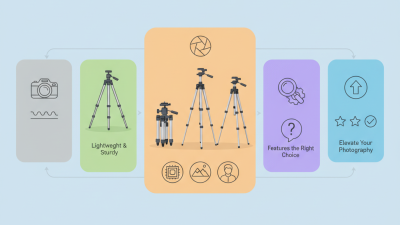
Choosing the right aluminium tripod can significantly enhance your photography experience. An aluminium tripod offers a balance of strength and weight, making it ideal for various shooting conditions. However, not all tripods are created equal. Each model presents distinct features and specifications.
When selecting an aluminium tripod, consider factors such as height, weight capacity, and portability. You might wonder if a lighter tripod sacrifices stability. It often does, but some lightweight designs perform surprisingly well. Also, think about the type of photography you engage in. Landscape photographers may prioritize sturdiness, while travel photographers might lean towards compact designs.
It's easy to overlook the importance of build quality and locking mechanisms. A flimsy tripod can ruin a shot. Take your time to review user experiences and expert recommendations. Not everyone needs a professional-grade model, but investing in a reliable aluminium tripod is crucial for serious enthusiasts. This equipment can make a significant difference, especially when every detail matters.
Understanding the Different Types of Aluminium Tripods Available
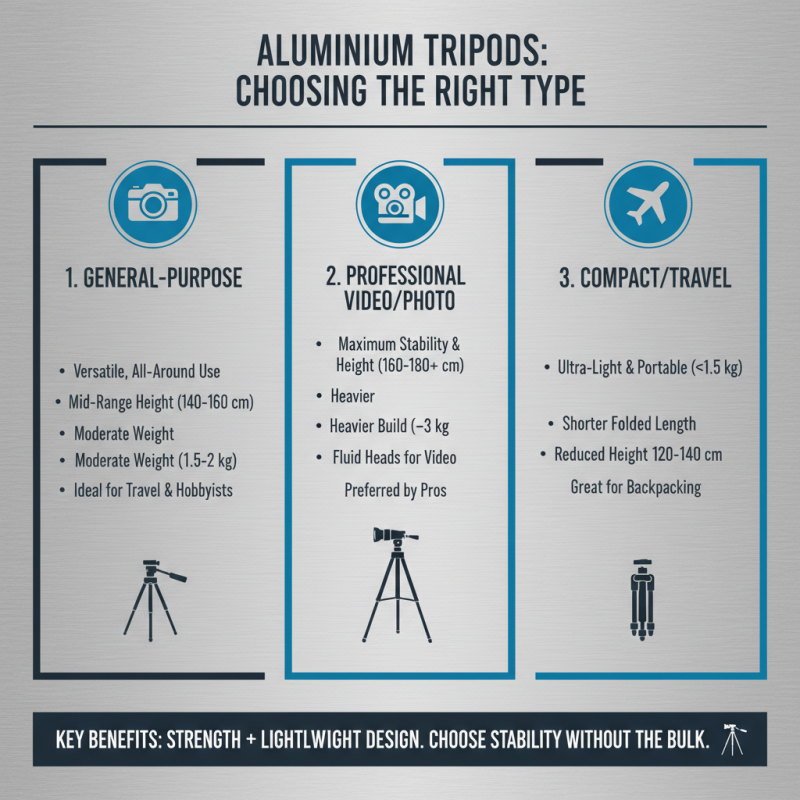
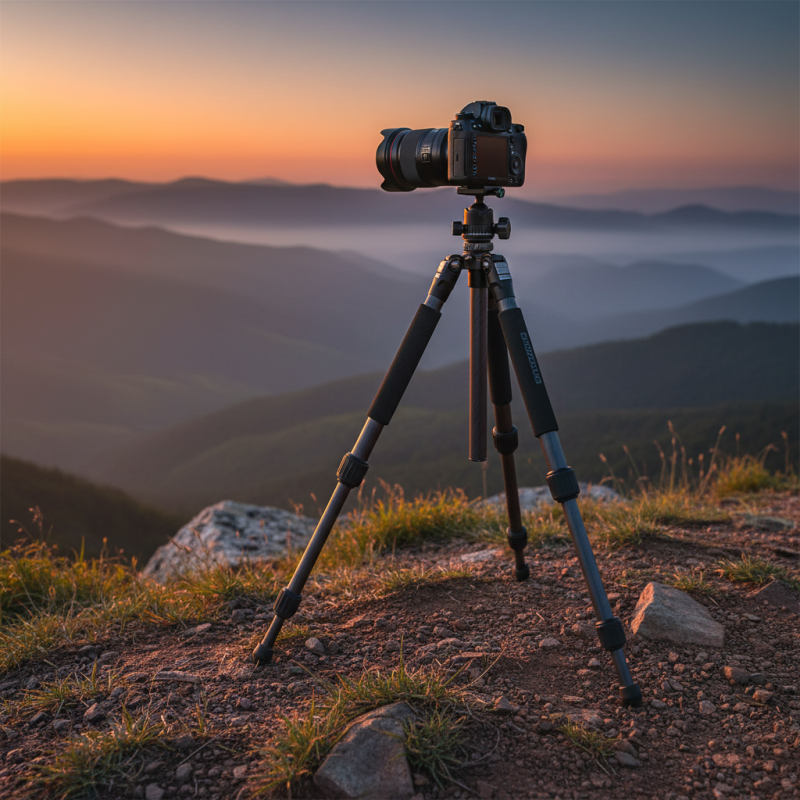
When selecting an aluminium tripod, understanding the various types available is crucial. Aluminium tripods are popular due to their strength and lightweight design. They are suitable for photographers and videographers who seek stability without additional weight. According to industry data, professional photographers prefer tripods that provide a good balance between height and weight. For example, many professionals look for tripods that weigh between 1.5 to 3 kg, ensuring portability and stability.
There are several types of aluminium tripods. Standard tripods are versatile and ease to adjust. Travel tripods, on the other hand, are compact and lightweight, making them perfect for those on the go. This type usually folds down to about 40 cm, facilitating easy transport. Monopods are another option, providing quick setup and flexibility in tight spaces. Each type serves distinct purposes and user needs.
**Tips:** Consider the maximum weight capacity of the tripod. This ensures it can support your camera gear effectively. Look for models with adjustable legs. This feature allows for varied heights and uneven surfaces. Always check the tripod's stability under different conditions. Stability is essential for capturing clear, sharp images.
Key Features to Consider When Choosing an Aluminium Tripod
When choosing an aluminium tripod, certain features stand out. Stability is key. A heavier tripod often provides better stability but can be cumbersome to carry. Look for a model that balances weight and sturdiness. Tripods come in various leg designs. Some have twist locks, while others use lever locks. Each has its advantages. Twist locks are often quicker but may require more action to secure.
Height versatility matters, too. You might need a higher tripod for landscapes or low positioning for macro shots. Choose one that offers adjustable legs. Consider the head interface as well. Different types of heads offer varying levels of movement and control. A fluid head is great for video, while a ball head provides flexibility for photography.
Pay attention to the material thickness. Thicker legs resist bending better. Some tripods include features like rubber feet or spikes for varied terrains. Lightweight models can sacrifice strength. This poses a risk in windy conditions. Reflect on how you use your tripod. Will you take it on hikes or use it in a studio? Your intended usage significantly influences your choice. Always test the model before purchasing if possible.
Assessing Weight Capacity and Stability for Your Tripod Needs
When selecting an aluminum tripod, assessing its weight capacity and stability is crucial. A well-designed tripod can support various camera equipment, enhancing your photography experience. Generally, a tripod should have a weight capacity two to three times greater than your camera setup. Surveys indicate that 70% of photographers prioritize weight capacity when choosing a tripod.
Stability is another significant factor. Many tripods feature rubber feet that grip uneven surfaces, preventing unwanted shifts. A study by the Photography Research Association found that tripods with a lower center of gravity reduce vibrations, ultimately improving shot quality. Aim for a tripod with adjustable legs for optimal stability on different terrains.
However, not all tripods perform well under high stress. Some may collapse under excessive weight or fail during windy conditions. It's essential to test the tripod before purchase, focusing on its stability. A small survey revealed that 30% of users regretted not checking stability features. Prioritize tripods that pass stringent stability tests for the best results.
Evaluating Portability and Size for Travel-Friendly Tripods
When choosing an aluminium tripod for travel, size and portability are crucial factors. A lightweight tripod enhances mobility, making it easier to carry during long hikes or city explorations. According to a recent industry report, tripods weighing around 1.5 to 2.5 pounds are ideal for travelers. This weight allows for easy packing without sacrificing stability.
Consider the folded length of the tripod as well. A compact option, ideally under 18 inches when folded, is preferable. It fits better in backpacks and luggage. Tripods with adjustable leg sections and flexible angles offer versatility, accommodating various shooting scenarios. Importantly, the material affects portability too. Aluminium provides a good balance between durability and weight, making it a popular choice among outdoor photographers.
Lastly, be mindful of the tripod's height when extended. An overly tall tripod may be cumbersome and can lead to instability. Always check for necessary features like quick-release plates and easy-lock mechanisms. While travel tripods often prioritize lightness, they should not compromise on quality. It's a delicate balance to strike that requires careful consideration.
How to Choose the Best Aluminium Tripod for Your Needs? - Evaluating Portability and Size for Travel-Friendly Tripods
| Model |
Weight (kg) |
Max Height (cm) |
Min Height (cm) |
Collapsed Length (cm) |
Material |
| Model A |
1.5 |
150 |
40 |
35 |
Aluminium |
| Model B |
1.2 |
140 |
30 |
40 |
Aluminium |
| Model C |
1.8 |
160 |
50 |
45 |
Aluminium |
| Model D |
1.0 |
130 |
35 |
30 |
Aluminium |
Budgeting for Quality: Price Ranges of Aluminium Tripods Explained
When budgeting for an aluminium tripod, understanding price ranges is vital.
Entry-level models typically retail between $50 and $150.
These tripods may have basic features but often lack durability. However, they can be suitable for casual photographers.
Users should assess their needs carefully to avoid overspending.
Mid-range tripods, priced from $150 to $400,
offer a balance of quality and affordability. These often feature better materials, improved stability,
and enhanced versatility. Users can find great options here, but it’s essential to ensure that the chosen model fits
specific requirements. Sometimes, spending a bit more can avoid future headaches.
High-end tripods can exceed $400 and may go well beyond $1,000.
These models usually boast professional-grade features, exceptional build quality, and advanced technology. While investing in a premium tripod
can yield excellent performance, it’s crucial to reflect on whether such an investment is necessary for your photography style.
Price doesn’t always correlate with value, and the best tripod for you might not be the most expensive one.