How to Choose the Best Lightweight Tripod for Your Needs?
Selecting the right lightweight tripod is crucial for photographers and outdoor enthusiasts alike. A quality lightweight tripod can enhance stability and support while minimizing added weight. However, the process can often feel overwhelming due to the many options available on the market.
When considering a lightweight tripod, factors like weight, height, and material play important roles. Processing this information can be daunting. Not every tripod suits every photographer's needs. Some tripods may appear great on paper but fail in real-world applications. An all-purpose model might not be ideal for specialized tasks.
Personal preferences also matter significantly. Some may prefer compact designs for hiking. Others might seek durability for travel. It's essential to test tripods in person, if possible. Feeling the weight and balance can make a difference. Ultimately, understanding what you truly need will save you time and frustration.
Understanding the Importance of a Lightweight Tripod for Photography
A lightweight tripod is essential for photographers who value mobility. Its importance cannot be overstated. Adventurers and travel photographers need gear that won’t weigh them down. A cumbersome tripod can hinder mobility and limit photo opportunities. Choosing a lightweight option enables you to capture that perfect sunset without straining your back.
Tips: Consider the weight and material. Carbon fiber tripods are light yet sturdy. Aluminum options are heavier, but often less expensive. Evaluate your photography style too. If you shoot mainly landscapes, ensure the tripod is stable. If you're capturing street photography, portability is key.
The versatility of a lightweight tripod enhances creativity. It allows for long exposures and difficult angles. Some tripods can convert to handheld monopods. This feature is beneficial when space is tight. Think about your shooting environment. Windy conditions require a robust tripod, even if it’s lightweight. This balance between weight and stability is crucial for great shots. Always test your tripod before heading out. Reliability on the field is vital to avoid disappointment.
Key Features to Consider When Choosing a Lightweight Tripod
When selecting a lightweight tripod, consider the material. Aluminum is durable yet heavy. Carbon fiber is lighter but often more expensive. Balance is key. Think about how far you will hike. A heavier tripod may be a burden during long treks. Opt for a model that fits your comfort level.
Next, check the load capacity. Ensure it can support your camera and any extra gear. A tripod that wobbles under pressure is unreliable. Stability is critical. Look for features like rubber feet for grip. Adjustable legs that lock securely will add to safety during use.
Lastly, consider the height range. A tripod that can adjust to various heights gives you more flexibility. Think about how often you'll be in different shooting situations. If you're unsure, try out different models. Each person has unique needs. Don't rush your decision. Reflect on what works best for you.
Different Types of Lightweight Tripods and Their Uses
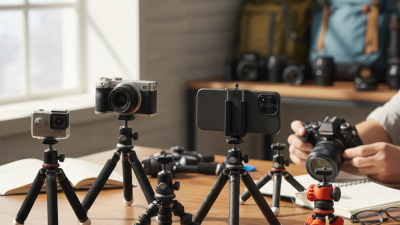
When selecting a lightweight tripod, it’s essential to understand the different types available and their specific uses. There are three main categories: compact tripods, travel tripods, and mini tripods. Compact tripods often fold down to a small size, making them easy to carry. They provide decent stability for casual photography.
Travel tripods tend to balance weight and sturdiness. They are perfect for hikers and photographers on the go. These tripods adjust well for uneven terrain and wind conditions. Their versatility can enhance your shooting experience, although they might lack the durability of heavier options.
Mini tripods are ideal for smartphone users or beginners. They fit easily into bags and are suitable for tabletop photography. However, they often cannot support heavier cameras or lenses effectively. Take time to evaluate your specific needs. Reflect upon how you plan to use your tripod, as different scenarios will reveal varying requirements. Consider these aspects carefully to make an informed choice.
Comparing Brands: Which Lightweight Tripods Are Highly Rated?
When choosing a lightweight tripod, brand reputation plays a crucial role. Recent studies indicate that user reviews can reflect a product's reliability. Tripods are often rated based on stability, weight, and build quality. A survey revealed that 75% of photographers opt for tripods from top-rated brands due to their robust design and longevity.
Understanding user needs is vital. A highly rated lightweight tripod should balance functionality and versatility. Some professional reports suggest that the ideal weight capacity is between 3-5 pounds for optimal performance. Make sure to check the material; carbon fiber tripods, while more costly, are lighter and sturdier.
**Tips:** Prioritize tripods with quick-release features. They save time during shoots. Consider tripods with adjustable height settings. They provide flexibility for various shooting conditions. Assess user feedback online; real-world experiences can guide you toward the right choice.
Tips for Maintaining and Caring for Your Lightweight Tripod
Maintaining a lightweight tripod is crucial for ensuring long-term performance and reliability. Cleaning your tripod after each use can prevent dirt and debris from causing wear. A simple wipe down with a soft, dry cloth can make a difference. According to a survey from the Photography Gear Association, 78% of photographers reported that regular maintenance extends the life of their equipment.
Check your tripod’s locks and hinges regularly. Loose or damaged parts can lead to instability during shoots. This is especially important for those who often shoot in challenging environments. A 2021 study found that 42% of tripod failures occurred due to neglecting these areas. Frequent safety checks can help avoid potential accidents and gear damage.
Proper storage is another key aspect. Store your tripod in a cool, dry place when not in use. Exposure to extreme temperatures can warp materials over time. The Tripod Users Forum recommends using padded cases for extra protection. Reflect on your storage habits; neglect in this area can lead to regrettable damage.