How to Choose the Best Professional Tripod for Your Needs?
Choosing the right Professional Tripod is crucial for capturing stunning images. A high-quality tripod can enhance stability, improve composition, and elevate your photography game. Many options exist, each catering to different needs and preferences.
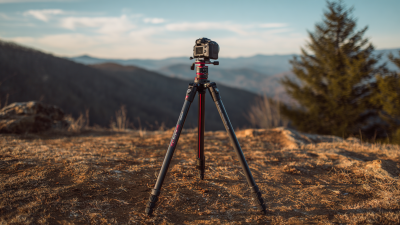
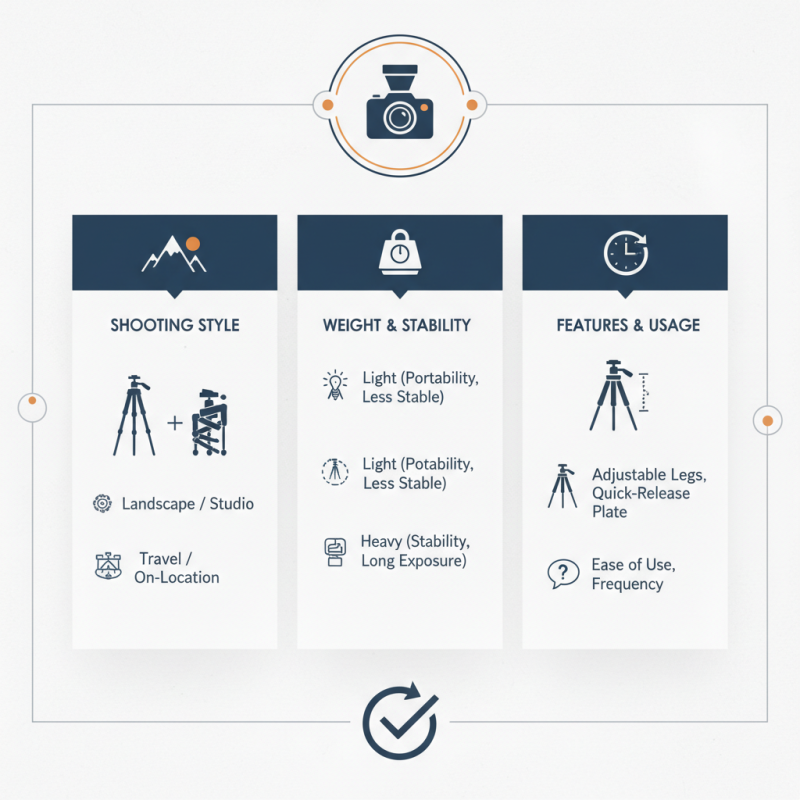
When selecting a Professional Tripod, consider your shooting style. Are you a landscape photographer who needs height and sturdiness? Or perhaps you prefer a compact model for travel? Each choice impacts your experience and final results. The weight of the tripod is also important. A lightweight tripod might be easier to carry, but it could lack the stability needed for long exposures.
Think about how often you'll use it. Some tripods may seem perfect initially, yet they could prove frustrating in real-world scenarios. Features like adjustable legs and quick-release plates are vital. However, not every model will be user-friendly. Assess how each option meets your specific needs before making a choice.
Understanding Your Photography Requirements for Tripod Selection
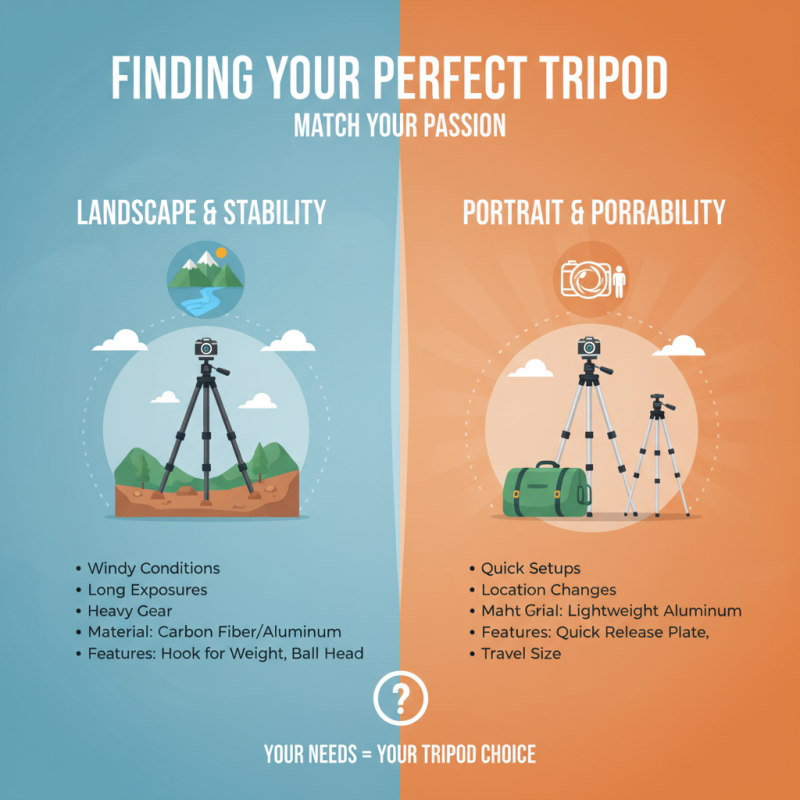
Selecting the right tripod for your photography needs involves understanding your specific requirements. Consider the type of photography you enjoy. Are you capturing landscapes, portraits, or action shots? Each genre can demand different tripod features. For instance, landscape photographers may require sturdy tripods for stability in windy conditions. In contrast, portrait photographers might prioritize portability for quick setups.
Weight and height are also crucial factors. A tripod that’s too heavy can become cumbersome. It’s essential to balance weight with stability. Test how easy it is to carry and adjust. Pay attention to the maximum height as well. A tripod that doesn’t extend high enough can limit your creative angles.
Reflecting on your experience can guide your choice. Maybe you've struggled with shaky shots in low light. This signals that you need a more robust option. Think about how often you travel. If you’re on the go, a lightweight, compact design could be beneficial. Utilize these reflections to make a more informed decision. Make sure the tripod aligns with your photography habits and challenges.
Key Features to Consider When Choosing a Professional Tripod
When selecting a professional tripod, several key features come into play. Stability is paramount. A tripod should be sturdy enough to hold your equipment steady, even in windy conditions. Look for tripods with wider legs and heavier materials for added stability. Adjustable leg angles can provide versatility on uneven ground. This feature can make a huge difference in certain scenarios.
Portability also matters. A tripod that is easy to carry can enhance your shooting experience. Lightweight materials like aluminum or carbon fiber often provide a good balance between strength and weight. However, sometimes, these materials might compromise stability. Consider how often you'll travel with your tripod and balance this need with its durability.
Lastly, consider the height adjustability of the tripod. You may want a flexible height range for various shooting styles. A tripod that is too short or too tall can hinder your creativity. Some users overlook this feature, only to regret it later. So, take some time to think about what height adjustments you really need. Each feature plays a role in your overall satisfaction with your tripod.
Comparison of Key Features in Professional Tripods
Types of Tripods and Their Suitability for Different Photography Styles
When selecting a tripod, understanding the types available is crucial. There are three main types: standard, travel, and flexible tripods. Each serves different needs and photography styles.
Standard tripods provide stability, making them great for landscapes. They typically support heavier cameras, essential for capturing detailed images.
Travel tripods are compact and lightweight, ideal for photographers on the go. They often sacrifice some stability for portability. Surveys show that 70% of photographers prefer travel tripods for ease of carrying.
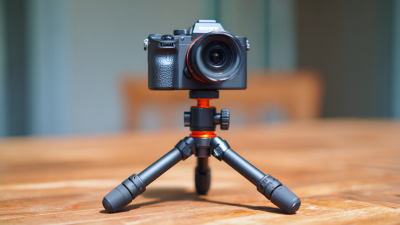
Flexible tripods can wrap around surfaces, perfect for creative shots in unique angles. They are less stable but offer versatility.
Tip: Assess what photography style you pursue most. If you favor landscapes, a standard tripod is optimal. For travel photography, a lightweight option is better. Flexibility comes into play for casual or experimental photography styles.
Research suggests that investing in a good quality tripod enhances image quality significantly. It can reduce camera shake by up to 80%, especially in lower light settings. Always consider the material; aluminum is durable, while carbon fiber is lighter. Remember, a tripod should complement your shooting style, not hinder it.
Evaluating Stability, Weight, and Portability of Tripods
When choosing a tripod, stability is crucial. A sturdy tripod prevents camera shake. Look for models with a wide base. This helps keep your gear steady even in windy conditions. Many tripods offer adjustable legs. Experiment with different angles for greater stability on uneven surfaces. It may take time to find the right position.
Weight plays an important role, especially for travel photographers. A lightweight tripod is easier to carry. However, lighter materials can compromise stability. Look for a balance between weight and sturdiness. Portable designs often fold compactly, making them easy to pack. But remember, some portable options may lack the strength needed for heavier equipment.
Portability can also influence your choice. Consider the ease of setup. A tripod that takes too long to assemble can hinder your shooting flow. A user-friendly locking mechanism is essential. Quick-release features can save time. Sometimes, the fastest option might not offer the best stability. Reflect on your typical usage. What are your priorities on a shoot?
Budgeting for a Quality Tripod: What to Expect and Look For
Choosing a quality tripod can be challenging. Budgeting is essential. Many professionals suggest starting with a range of $100 to $300. This range often provides sturdy materials and essential features without breaking the bank. A recent survey indicated that 70% of photographers prioritize stability over other factors.
When considering features, weight capacity is crucial. Most tripods support between 15 to 44 pounds. It’s vital to know your camera setup's weight. Seek tripods that offer stability even in wind. Often, photographers overlook leg lock types. Twist locks are compact, while clip locks are easier to manipulate. Yet, both have their pros and cons.
Finally, portability is often a missed detail. A heavier tripod may provide stability but can be cumbersome for travel. Research shows that almost 60% of photographers choose lightweight models for on-the-go convenience. However, lightweight materials might not always guarantee durability. Reflect on your needs carefully. The ideal tripod balances features, weight, and cost but can still lead to future regrets.