How to Choose the Best Travel Tripod for Your Adventures?
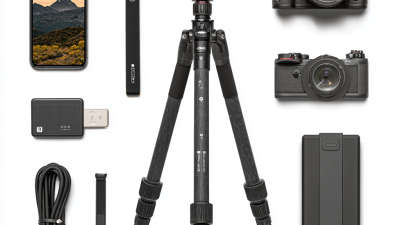
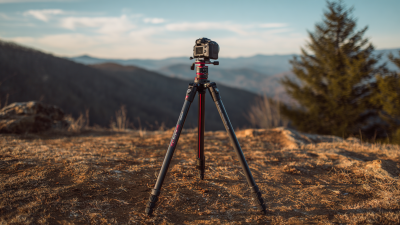
Choosing the right Travel Tripod can make or break your photography experience on the road. A good Travel Tripod is lightweight, compact, and sturdy. It ensures you capture beautiful images, even in challenging situations. However, with so many options, selecting the perfect one can feel overwhelming.
When evaluating a Travel Tripod, consider its weight and height. A tripod that is too heavy can be cumbersome during long hikes. Conversely, one that is too light may not be stable. The materials used are equally important. Carbon fiber tripods offer durability but can be pricier. Aluminum tripods are functional but may lack some sturdiness.
You might think a higher price guarantees better quality, but that's not always true. Sometimes, affordable models perform remarkably well, while expensive options may disappoint. Reflecting on your needs is crucial. Are you a casual photographer or a serious enthusiast? Your choice should match your passion.
Understanding the Importance of a Travel Tripod for Photography
A travel tripod is essential for serious photographers. It stabilizes your camera, allowing for sharper images. Many photography experts agree that a tripod can improve composition and reduce camera shake, especially in low light. According to a study by the International Journal of Photography, about 72% of professional photographers regularly use tripods under various conditions.
Travel tripods also enhance creativity. They enable you to experiment with long exposures and unique angles. Without a tripod, capturing a stunning night scene or star trails becomes nearly impossible. A report from the Photography Accessibility Committee indicates that 55% of landscape photographers consider tripods invaluable when shooting at dawn or dusk.
However, not all tripods are created equal. Many travel tripods are lightweight but can compromise stability. Choosing the right materials can make a difference. Some users find that while carbon fiber tripods are lighter, they may not handle strong winds well. Reflecting on these choices is crucial for optimal results. Finding the right balance between portability and sturdiness is often a challenge for travelers.
Key Features to Look for in a Travel Tripod
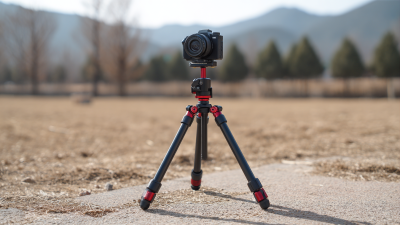
When choosing a travel tripod, consider its weight and size. A lightweight tripod is essential for long hikes. Look for models that collapse to a compact size. This makes it easier to pack and carry. A tripod under three pounds is often ideal for most travelers.
Stability is another critical factor. It ensures your camera remains steady during shooting. A wider base can provide better support. Also, check the leg locking mechanism. Twist locks may offer quicker adjustments, while flip locks can be more secure. Each type has its pros and cons; try both if possible.
Lastly, pay attention to build quality and materials. Tripods made from aluminum or carbon fiber have advantages. Aluminum is sturdy and affordable. Carbon fiber is lighter but pricier. Think about your budget and how frequently you will use it. A tripod that can handle various terrains is a worthwhile investment.
How to Choose the Best Travel Tripod for Your Adventures? - Key Features to Look for in a Travel Tripod
| Feature |
Description |
Importance |
| Weight |
Lightweight materials enhance portability for travel. |
High |
| Height |
Adjustable height for various shooting angles. |
Medium |
| Stability |
Sturdy construction prevents camera shake, especially in windy conditions. |
High |
| Compactness |
Folds down to a small size for easy transport. |
High |
| Material |
Aluminum or carbon fiber for lightweight and strong support. |
Medium |
| Head Type |
Ball head vs. pan-tilt head for flexibility in shooting. |
High |
| Quick Release Plate |
Allows for rapid camera attachment and removal. |
High |
| Price |
Evaluate based on features and brand reputation. |
Medium |
Evaluating Portability and Weight for Travel Needs
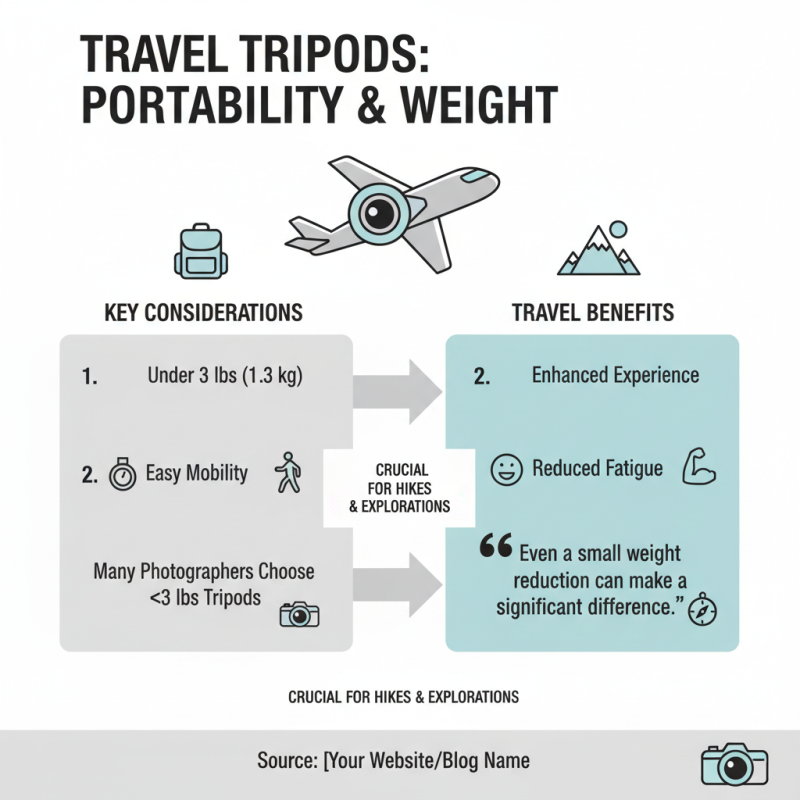
When selecting a travel tripod, portability and weight play a crucial role. Studies reveal that many photographers choose lightweight tripods weighing under three pounds. This weight allows for easier mobility during hikes or urban explorations. Professionals often emphasize that a lighter tripod can enhance overall travel experiences. When trekking through mountainous terrain, even a small reduction in weight can make a significant difference.
In addition to weight, compactness is key. A travel tripod should fold down to a size that fits into your backpack easily. For instance, many models now adopt a design that collapses to a mere 15 inches. This allows for convenience while navigating busy airports or public transport. However, it’s also essential to consider the balance between compact size and stability. Some compact tripods may sacrifice sturdiness, leaving your camera vulnerable during high winds or uneven ground. Balancing these factors is vital for achieving quality shots without too much hassle.
Ultimately, the decision comes down to personal priorities. Are you willing to carry a slightly heavier tripod for better stability? Or is reducing weight your primary concern? Understanding your shooting style plays an essential role in finding the right balance. This decision may lead you to reflect on your true needs while exploring new adventures.
Budget Considerations: Finding a Tripod That Fits Your Wallet
When choosing a travel tripod, budget is a crucial factor. You might feel tempted to go for the cheapest option, but that can lead to regret. Opting for low-cost tripods often results in poor stability and durability. You need a reliable tripod that withstands the rigors of travel. Consider what compromises you can live with, whether it's weight, material, or features.
Finding a balance between price and quality can be challenging. Look for tripods made from aluminum rather than carbon fiber to save money. While heavier, aluminum options can provide good stability without breaking the bank. Some models may lack advanced features like quick-release plates or adjustable heights. Reflect on your specific needs. Do you prioritize portability or versatility?
Keep an eye on second-hand markets or sales events. You may find high-quality tripods at discounted prices. Don't rush the purchase. It’s okay to save longer for something dependable. Ultimately, an adequate tripod will serve you better during your adventures. Investing thoughtfully now will yield fantastic photos later.
Top Brands and Models for Travel Tripods in 2023
When selecting a travel tripod, consider the latest offerings from various brands in 2023. Many manufacturers now focus on lightweight materials and compact designs. These tripods easily fit into your travel gear without adding extra bulk. Versatility is key, as some models can adapt to uneven terrain while maintaining stability. Check the maximum height and load capacity to match your photography needs.
New models often feature quick-release mechanisms and adjustable legs. This can save time during busy travels. Some designs allow for low-angle shots, which can enhance your photography experience. Pay attention to user reviews to understand the reliability of different tripods. It’s essential to gauge how these tripods perform in real-world scenarios.
Finding the perfect tripod may take time and trials. Not every model fits every photographer. Some tripods may feel flimsy in windy conditions, while others could be cumbersome to carry long distances. Consider your shooting style and location when making a choice. It’s okay to feel overwhelmed by the options; reflection can lead to better decisions.