Ultimate Guide to Choosing the Best Tabletop Tripod Tips for Perfect Stability
In the world of photography and videography, achieving perfect stability is crucial for capturing high-quality images and footage. TheTabletop Tripod has emerged as a vital tool for both amateur and professional creators, providing a compact and versatile solution for stabilizing cameras and smartphones. According to recent industry reports, the global tripod market has experienced substantial growth, with a projected increase from $150 million in 2021 to over $200 million by 2027. This growth underscores the demand for innovative solutions in photography equipment, including the rising popularity of tabletop tripods.
A well-chosen tabletop tripod not only enhances picture quality but also minimizes camera shake, which is essential in various shooting scenarios, from macro photography to livestreaming. Studies indicate that up to 60% of photographers encounter stability issues during their work, making the selection of the appropriate tripod a matter of utmost importance. Understanding the key features and choices available can significantly impact the user's creative process and the end result of their projects. This guide aims to equip photographers with essential tips for selecting the best tabletop tripod, ensuring they achieve the perfect stability needed for their artistic vision.
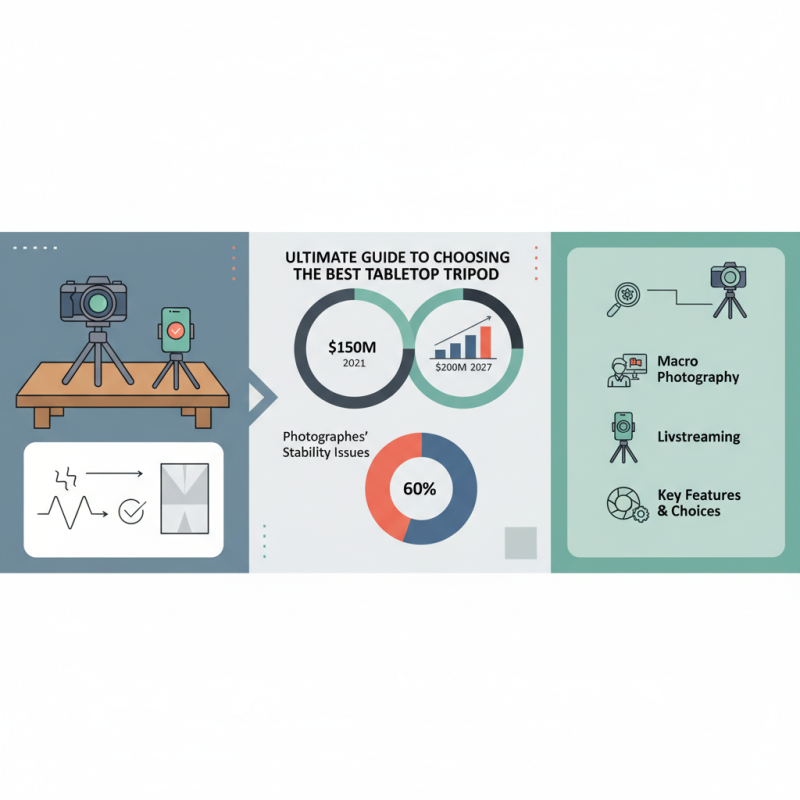
Understanding the Importance of Stability in Tabletop Tripods
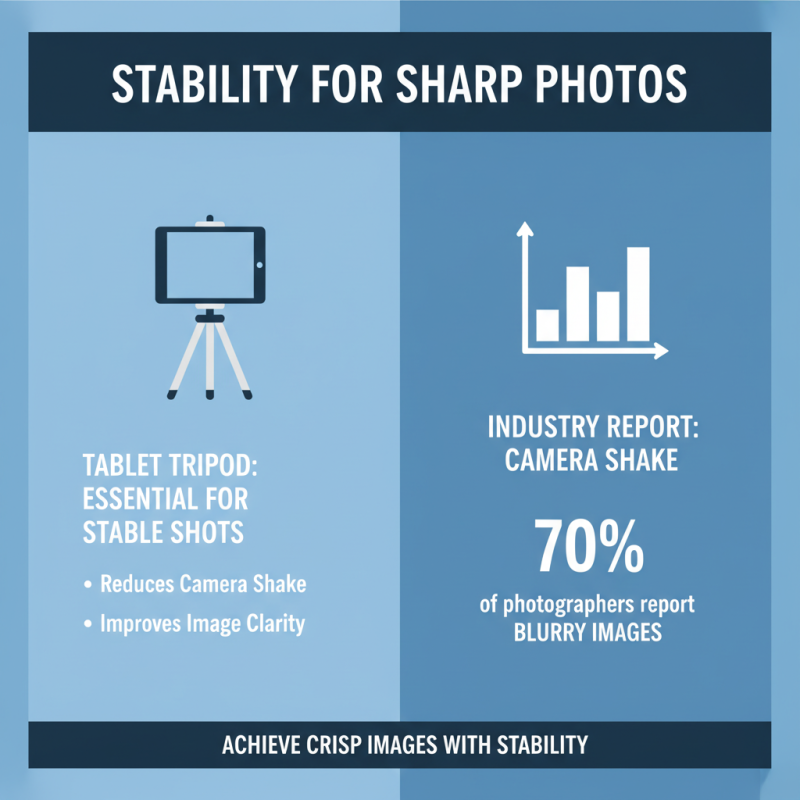
When it comes to photography, the stability of your equipment can significantly impact the final outcome of your images. A tablet tripod serves as a vital tool for capturing sharp, high-quality photos, especially in situations where hand-holding the camera is impractical. According to a report by the Camera & Imaging Products Association, over 70% of photographers have reported experiencing blurriness in their shots due to camera shake. This emphasizes the crucial role that a stable platform plays in achieving crisp images.
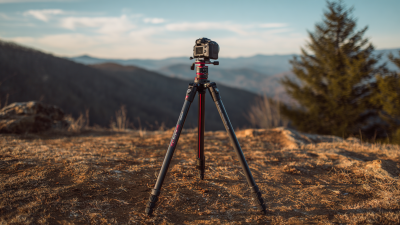
To enhance stability, consider the weight distribution of your tripod. A well-designed tripod should have a low center of gravity, which minimizes the risk of tipping over. It is advisable to choose a model constructed from sturdy materials, such as aluminum or carbon fiber, as they provide greater strength without adding excessive weight. Always ensure that the tripod is firmly set up on a flat surface and adjust the legs to stabilize your setup, especially on uneven terrain.
Tip 1: Utilize the built-in hook on most tripods to add weight, such as a camera bag, for extra stability during windy conditions.
Tip 2: Use a remote shutter release or your camera's timer function to avoid any movement caused by pressing the shutter button.
By prioritizing these stability factors, photographers can significantly enhance the quality of their work, leading to more professional and visually pleasing images.
Key Features to Look for in a Tabletop Tripod
When selecting a tabletop tripod, it's essential to focus on key features that ensure stability and usability. According to a recent industry report by the Imaging Resource Association, durability and flexibility rank at the top of photographers’ criteria for tripod selection. A sturdy construction, typically crafted from aluminum or carbon fiber, not only contributes to the tripod's longevity but also minimizes vibrations, which is crucial for capturing sharp images. The tripod's weight capacity is another consideration, as it should safely support your camera equipment while maintaining a compact size for portability.
In addition to build quality, adjustability plays a significant role in achieving perfect stability. Tripods with adjustable legs and multi-angle options can adapt to various shooting environments, ensuring a stable platform even on uneven surfaces. The same report indicates that photographers often prefer tripods featuring quick-release plates and ball heads for swift adjustments and smoother tracking.
Moreover, added features like rubber feet or spikes enhance grip, making the tripod suitable for different terrains. Understanding these key elements can significantly enhance both the experience and the results of any photography venture.
Types of Tabletop Tripods and Their Best Uses
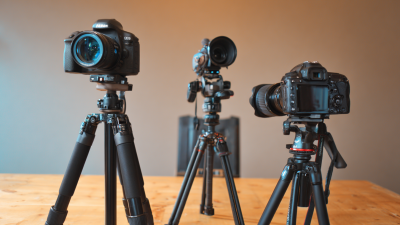
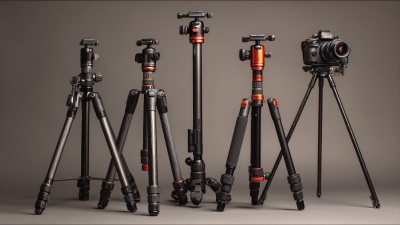
When selecting a tabletop tripod, understanding the various types available and their best uses is essential for achieving optimal stability and versatility in your photography or videography endeavors. There are primarily three types of tabletop tripods: traditional style, flexible models, and mini tripods. Each type serves different needs and can dramatically affect the quality of your shots.
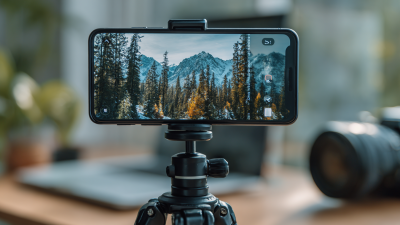
Traditional tabletop tripods typically feature adjustable legs and a standard tripod head, making them suitable for a wide range of photography, from portraits to landscapes. These tripods offer excellent stability, particularly on flat surfaces, providing a solid foundation for your camera. Flexible tripods, on the other hand, come with bendable legs that can wrap around objects or be positioned on uneven surfaces, making them ideal for adventurous outdoor photography or unique angles that a standard tripod cannot achieve. Lastly, mini tripods are compact and lightweight, perfect for travel and quick setups, yet still offer decent stability for lighter cameras or smartphones.
In addition to understanding the types, consider the specific scenarios you’ll encounter. For professional or mixed-use environments, a traditional tripod may be your best bet. Alternatively, for creative shoots in dynamic settings or for macro photography, flexible tripods can offer unprecedented versatility. Ultimately, the type of tabletop tripod you choose should align with your photography style and the types of environments you frequently shoot in, ensuring you achieve the perfect stability needed for flawless images.
Ultimate Guide to Choosing the Best Tabletop Tripod
Tips for Setting Up a Tabletop Tripod for Maximum Stability
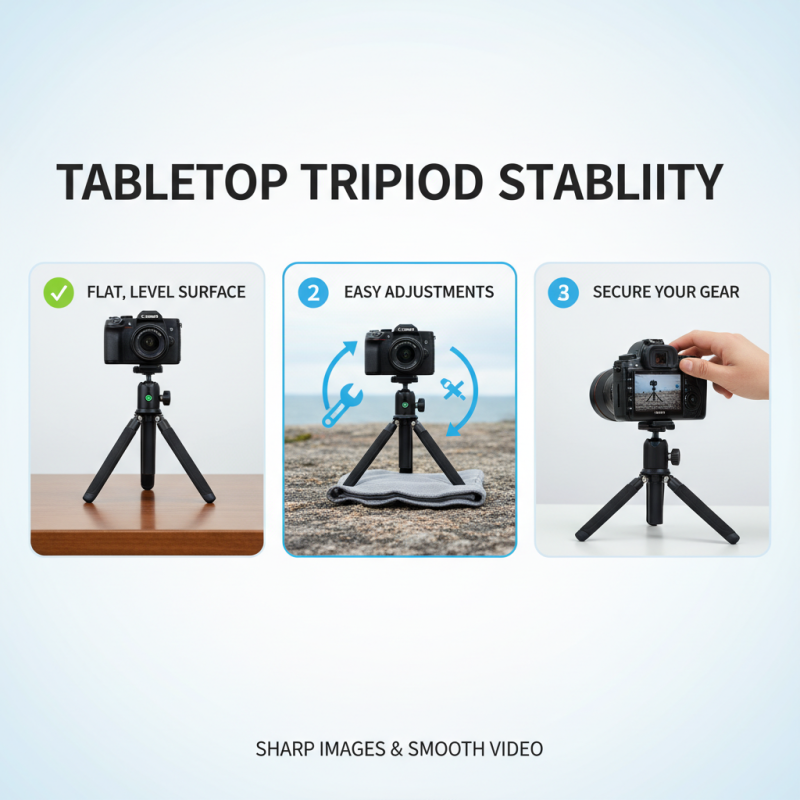
When setting up a tabletop tripod, ensuring maximum stability is key to achieving sharp images and smooth video. First, always select an appropriate surface for your tripod. A flat, level surface is crucial to prevent any wobbling or tipping. If you find yourself on an uneven surface, consider using small padding like folded cloth or additional gear to balance the tripod effectively.
Another important tip is to distribute the weight evenly on the tripod. When placing your camera or device, center it as much as possible over the tripod's center of gravity. This not only minimizes the risk of tipping but also greatly enhances stability, especially in windy conditions. Additionally, explore using the tripod's adjustable legs to lower its height; a lower center of gravity translates to improved stability.
Lastly, remember to engage the tripod's locking mechanisms securely. This step is often overlooked but is vital to prevent any accidental movement during your shoot. Always give the tripod a gentle shake after setting it up to ensure that it remains stable and secure before you start your photography or videography session.
Maintenance and Best Practices for Longevity of Your Tripod
To ensure the longevity of your tabletop tripod, regular maintenance is essential. Start by regularly cleaning the legs and head of the tripod to remove dust and dirt that can accumulate over time. Using a soft cloth or a brush can help prevent scratches while keeping the surfaces pristine. Additionally, inspect the locking mechanisms and joints for any signs of wear or damage. Lubricating the moving parts with appropriate solutions will help maintain smooth operation and prevent stiffness.
Another crucial aspect of tripod maintenance is proper storage. Always store your tripod in a dry, cool place to avoid exposure to moisture, which can lead to rust or corrosion. If your tripod is portable, consider using a protective case to shield it from dust and impact when not in use. Moreover, avoid leaving heavy equipment mounted on the tripod for extended periods, as this can stress the materials and lead to premature wear. By following these best practices, you can enhance the stability of your tripod while ensuring it remains a reliable tool for years to come.
Ultimate Guide to Choosing the Best Tabletop Tripod Tips for Perfect Stability - Maintenance and Best Practices for Longevity of Your Tripod
| Feature |
Importance |
Best Practice |
Maintenance Tips |
| Material |
Affects stability and durability |
Choose aluminum or carbon fiber |
Regularly check for wear or corrosion |
| Weight Capacity |
Determines the load your tripod can handle |
Always exceed the expected weight |
Avoid overloading; check specifications |
| Leg Lock Mechanism |
Ensures stability at different heights |
Test for smooth operation |
Clean and lubricate regularly |
| Height Adjustment |
Versatility for different shots |
Use appropriate height for stability |
Watch for vibrations; lower as needed |
| Foot Design |
Improves grip on surfaces |
Consider rubber or spiked feet for various terrains |
Inspect and clean feet frequently |