How to Choose the Best Binocular Tripod?
Choosing the right Binocular Tripod can turn a shaky view into a clear, comfortable one. That matters when watching birds across a marsh, scanning a distant ridgeline, or following the moon after dusk. The best option is not always the tallest or most expensive. It should match your binoculars, your viewing habits, and the places you plan to use it.
Start with compatibility. Check the binoculars’ weight, mounting method, and any adapter requirements before comparing tripod load ratings. A tripod that is technically rated for the weight may still feel unsteady when its legs are fully extended. Look for a stable center column, secure leg locks, and feet suited to your usual ground. Soft soil, gravel, and a hard balcony floor can behave very differently. Small details count.
The tripod head deserves attention, too. A fluid-style head can make slow panning smoother, while a simpler pan-and-tilt head may suit occasional viewing. Consider height and packed size alongside stability: a tall tripod is convenient, but long legs can add bulk on a trail. There is a trade-off. Reviews and specifications help, yet they cannot predict every setup or user preference. When possible, test the tripod with your binoculars attached, checking balance, movement, and comfort at your normal viewing height. This guide explains the key features and practical compromises to compare, so you can choose a Binocular Tripod that supports steady views without carrying more gear than you need.
Identify Your Binocular Viewing Needs
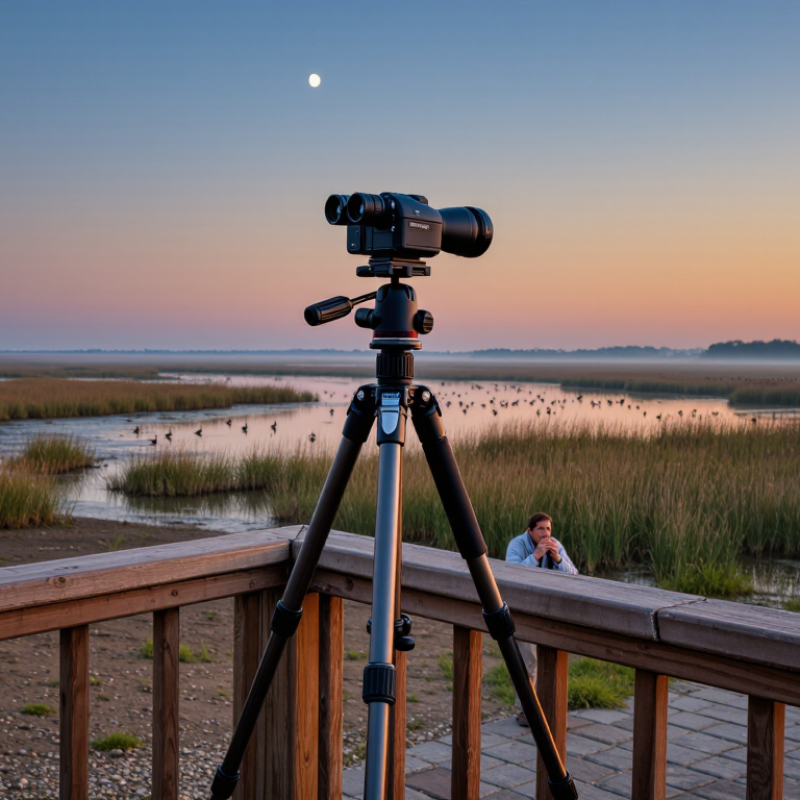
Start with what you actually watch, and where. A seated backyard birder needs different support from someone scanning a windy shoreline. Distance matters. Note your binoculars’ magnification, weight, and objective-lens size; higher magnification makes hand shake more noticeable. A compact 8× pair may feel steady on a short walk, while heavier 10× binoculars often benefit from a tripod. Check the adapter, since some binoculars need a separate mount. Consider setup time, too: a cumbersome rig can cost you a brief sighting. Wind changes everything. I still think it’s easy to overvalue magnification and underestimate how long you’ll carry the gear.
The U.S. Fish and Wildlife Service’s 2022 National Survey of Fishing, Hunting, and Wildlife-Associated Recreation estimated that 96.3 million Americans aged 16 and older participated in wildlife watching. That broad audience has varied needs: a marsh lookout, a wooded trail, and a garden all call for different stability and portability. The Outdoor Industry Association’s 2024 Outdoor Participation Trends Report counted 175.8 million U.S. outdoor recreation participants in 2023. Those figures describe participation, not tripod ownership, so don’t read them as proof that everyone needs a mount. Instead, use them as context: match support to your usual location, viewing duration, and tolerance for carrying extra weight. A small compromise may be right.
Check Tripod Compatibility and Load Capacity
Before choosing a binocular tripod, check the connection at both ends. ISO 1222:2010 specifies standardized photographic tripod connections, including 1/4-20 and 3/8-16 screw threads. A binocular adapter may use one thread, while the tripod head uses another. Confirm the adapter’s thread and the head’s mounting screw match; a mismatch can prevent a secure fit. Small detail. Big consequences.
Then check payload, not just the tripod’s height or material. Add the binoculars’ weight to the adapter and head, then compare that total with the head’s stated load capacity. A practical field guideline is to choose capacity at least 1.5 times the total setup weight. This is a cautious rule of thumb, not a universal industry standard. Ratings can vary by test method, and manufacturers may not describe conditions the same way. A 2-kilogram setup, for example, calls for a head rated around 3 kilograms or more. Also test the setup at full extension: a light breeze or a stiff focus wheel can reveal wobble that a showroom floor hides.
Tips: Check the thread size before ordering. Lock the head, point the binoculars downward, and gently test for slipping. If the image shakes, the rating alone may not tell the whole story.
How to Choose the Best Binocular Tripod? - Check Tripod Compatibility and Load Capacity
| Binocular Type |
Typical Binocular Weight |
Suggested Minimum Rated Payload* |
Tripod Head to Consider |
Compatibility Check |
| Compact 8×32 |
Approximately 0.5–0.7 kg (1.1–1.5 lb) |
At least 1.5 kg (3.3 lb) |
Compact ball head or small video head |
Check whether the binocular has a front tripod socket or needs a compatible binocular adapter. |
| Standard 10×42 |
Approximately 0.6–0.9 kg (1.3–2.0 lb) |
At least 2 kg (4.4 lb) |
Small ball head or lightweight video head |
Confirm the adapter clears the objective barrels and can hold the binocular securely. |
| Large 10×50 |
Approximately 0.9–1.4 kg (2.0–3.1 lb) |
At least 3 kg (6.6 lb) |
Video head with smooth tilt control |
Check both the head’s payload rating and the tripod legs’ load rating. |
| 15×70 astronomy binoculars |
Approximately 1.3–2.0 kg (2.9–4.4 lb) |
At least 4 kg (8.8 lb) |
Sturdy video head or binocular fork mount |
Include the weight of the adapter or mounting bracket when checking capacity. |
| 20×80 astronomy binoculars |
Approximately 2.0–3.0 kg (4.4–6.6 lb) |
At least 6 kg (13.2 lb) |
Heavy-duty video head or dedicated fork mount |
Use a rigid tripod with a head that supports the binocular’s weight and allows controlled aiming. |
| Any binocular with an adapter |
Binocular weight plus adapter and other mounted accessories |
Choose a rating comfortably above the complete assembled load |
Match the head to the total load and intended movement |
Many binocular adapters use a 1/4"-20 camera thread; verify the actual thread and head or plate connection before purchase. |
*Suggested minimums are practical planning targets, not a universal safety standard. Check the payload limits specified for both the tripod head and the legs; the lower-rated component limits the system. Typical binocular weights vary by model, materials, and accessories, so use the manufacturer’s listed weight when available.
Compare Tripod Materials, Height, and Stability
A binocular tripod should match both your equipment and the places you use it. Aluminum models are usually affordable and sturdy, but they can feel heavy on a long walk. Carbon fiber is lighter and dampens vibration well, though it often costs more. Material alone does not guarantee steadiness. Check the leg locks, joints, and head for flex or looseness.
Height affects comfort and stability. Choose a tripod that lets you look through the binoculars without hunching, while keeping the center column mostly lowered. A raised column can wobble in wind. On uneven ground, extend the thicker leg sections first and spread the legs wide. A firm setup should settle quickly after you adjust the binoculars. If the image keeps trembling, the tripod or head may be undersized for the binoculars’ weight.
Tips: Check the tripod’s load rating, but leave a safety margin. Press gently on a leg and watch for movement. Test it outdoors, too. Wind and soft soil can reveal weaknesses that a showroom floor hides. A little extra weight may be worth it for steadier viewing, though carrying it all day can change your mind.
Choose a Head Type for Smooth Binocular Movement
A tripod head controls how steadily you follow birds, aircraft, or distant details. For binoculars, a two-way pan-and-tilt head is often a practical choice: it lets you sweep left and right, then adjust elevation independently. A fluid head can make these movements feel smoother, especially when tracking a moving subject. Look for adjustable drag, so the binoculars do not swing too freely or resist every small correction.
Tips: Check the head’s rated load against the combined weight of your binoculars and adapter. Test the controls with the binoculars mounted. Slow, gentle movements should feel controlled, not sticky.
A ball head can be compact, but its single locking control may make fine aiming harder. That can matter when you are looking high overhead or holding a subject near the edge of view. Also check whether the head accepts your binocular mounting adapter; a mismatch can add wobble. Specifications help, but they do not tell you how a handle feels in your hand. It is easy to focus too much on load capacity and overlook control comfort. If possible, try a few small tracking movements before choosing. A little resistance is useful; too much becomes tiring.
How to Choose the Best Binocular Tripod Head
Compare the typical movement axes offered by common head types.
Ball heads allow movement across three axes, but adjustments are generally coupled. Three-way and geared heads let you adjust axes separately, while fluid video heads typically control pan and tilt. For smoother binocular movement, prioritize a well-damped head and a secure, balanced setup; axis count alone does not determine smoothness. Designs vary by model.