Top Mini Tripod Options for Your Photography Needs?
In the realm of photography, versatility often depends on the tools at hand. Mini tripods have emerged as essential equipment for both amateur and professional photographers. According to a recent industry report, the global tripod market is projected to reach $1.2 billion by 2025, driven by the surge in mobile photography and social media sharing. These compact tools offer stability in tight spaces, catering to varying shooting scenarios.
Mini tripods are significant for their lightweight design and portability. Many users appreciate being able to capture sharp images without unnecessary bulk. However, while these tools offer convenience, they are not without limitations. Strong winds or uneven surfaces can challenge their stability. Users may find themselves grappling with balancing their camera setups, especially in dynamic environments.
Choosing the right mini tripod requires understanding both its strengths and weaknesses. It's crucial to evaluate your specific needs while considering the potential difficulties. Investing in a quality mini tripod can elevate your photography, but awareness of its limitations will enhance your creative process.
Top Mini Tripod Features to Enhance Your Photography Experience
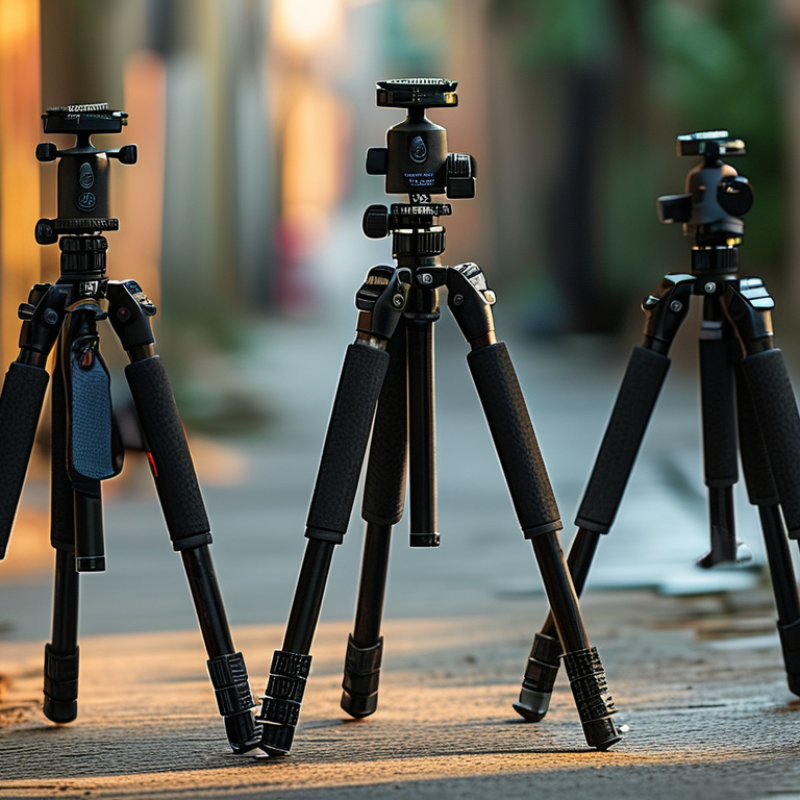
When selecting a mini tripod, several features can significantly enhance your photography experience. A sturdy build is essential. Lightweight materials often mean a compromise in stability. Metal components can offer more durability without adding excessive weight.
Height adjustment is another crucial feature. The ability to customize the tripod's height lets you capture different perspectives. This is vital for landscape photography or capturing intricate details. Some may overlook the importance of a ball head. It allows versatile angles, efficiently switching from horizontal to vertical shots.
Additionally, a rubber grip on the legs ensures stability on various surfaces. This feature is particularly useful in uneven terrains. Not all mini tripods provide this, leading to slips during crucial moments. It’s also worth considering a quick-release plate. It saves time during shoots and minimizes the risk of dropping your camera. Reflecting on these aspects can significantly refine your photography skills.
Best Mini Tripods for Action and Travel Photography
When it comes to travel and action photography, having a reliable mini tripod can make all the difference. Industry reports show that compact tripods account for nearly 30% of the sales in portable photography gear, highlighting their importance for on-the-go photographers. Mini tripods provide stability without weighing down your pack, essential for capturing sharp images in dynamic situations.
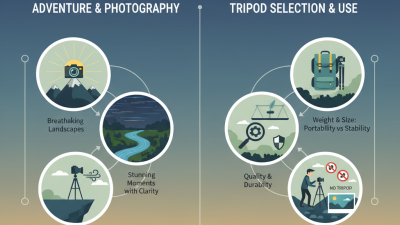
Selecting the right mini tripod involves considering weight, height, and build quality. A lightweight model might be tempting, but it can wobble during windy conditions. On the other hand, a sturdier tripod adds weight, which can be a downside in challenging terrains. Many photographers report difficulties finding the perfect balance. A tripod that fits well in your travel bag is crucial, but if it lacks stability, the investment may be wasted.
Photographers must also think about versatility. Some tripods transform into handheld grips, while others offer adjustable angles for creative shots. According to recent surveys, professionals cite flexibility as a top requirement, as it allows for more diverse shooting styles. However, a complex design can lead to confusion when time is of the essence. Finding the right features can feel overwhelming, yet the hunt is part of the journey.
Comparison of Materials: Aluminum vs. Carbon Fiber Mini Tripods
When it comes to mini tripods, the choice of materials plays a crucial role. Photographers often face the decision between aluminum and carbon fiber. Both materials have distinct advantages and drawbacks. According to a study by the Imaging Resource, carbon fiber tripods tend to weigh 30% less than their aluminum counterparts. This weight reduction can significantly enhance portability for photographers on the go. However, carbon fiber is also typically more expensive, which might not suit every budget.
Durability is another critical factor. Aluminum is known for its toughness, making it less prone to dents and scratches. On the other hand, carbon fiber offers excellent vibration damping. This property can lead to sharper images, especially during long exposures. According to a report from the Photography Business Academy, 66% of professional photographers prefer carbon fiber models for their performance in fieldwork. Yet, carbon fiber can be sensitive to extreme temperatures. It’s important to consider the environment where you’ll be shooting.
Handling and ease of setup are essential as well. Mini tripods that are lightweight are easier to carry. Still, some photographers find aluminum tripods more stable, particularly in windy conditions. The balancing act between weight and stability remains a common dilemma. Both materials have their merits, and choosing the right one really depends on specific shooting needs.
Recommended Weight Capacity for Mini Tripods: What You Should Know
Choosing the right mini tripod involves understanding weight capacity. Many photographers overlook this aspect, but it is crucial. Weight capacity indicates how much gear the tripod can support securely. An inadequate capacity can lead to instability, resulting in blurry photos or even damage to your equipment.
For lightweight cameras, a mini tripod with a capacity of 3 to 5 pounds is often sufficient. However, heavier setups require more support. A tripod rated for 10 pounds would suit DSLRs or mirrorless cameras with larger lenses. It's essential to check your camera's weight before selecting a tripod. Remember, your investment in gear should be protected.
It's also important to consider the tripod's materials. Aluminum is common and sturdy, but often heavier. Carbon fiber options are lighter but cost more. Reflect on how much weight you're comfortable carrying. A lightweight tripod can ease transport during excursions. Yet, some photographers might underestimate the trade-off with stability. Finding a balance between portability and sturdiness is key to a successful photography adventure.
Key Brand Comparisons: Manfrotto, Joby, and Sirui in Mini Tripods
When it comes to mini tripods, photography enthusiasts often choose between popular brands. Many professionals favor models that offer stability and versatility. Some brands have a strong reputation for durable designs and compact sizes. This makes them appealing for traveling photographers.
Manfrotto is well-known for its solid construction and ease of use. Photographers appreciate its ability to support a variety of cameras. However, its weight can be a drawback for some users.
On the other hand, Joby is often chosen for its innovative designs, especially its flexible legs. This feature allows photographers to position their cameras on uneven surfaces. But some may find its build quality less robust than others.
Sirui stands out with its emphasis on high-quality materials. Users praise its stability, which is essential for capturing sharp images. Yet, the price point may be higher than anticipated for beginners.
Each option has strengths and weaknesses. Making the right choice depends on individual priorities, such as portability, stability, and budget. It's essential to reflect on your specific needs and test different models before making a decision.