Why You Need a Professional Tripod for Stunning Photography Results
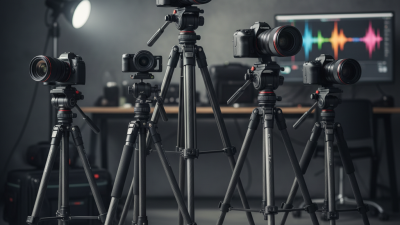
In the world of photography, the importance of stability cannot be overstated, and a Professional Tripod is an essential tool for achieving stunning results. Renowned photographer and industry expert Mark Johnson once said, “A great photo begins with a solid foundation, and that foundation is your tripod.” This profound statement encapsulates the necessity of utilizing a high-quality tripod to capture sharp, vibrant images, especially in challenging shooting conditions.
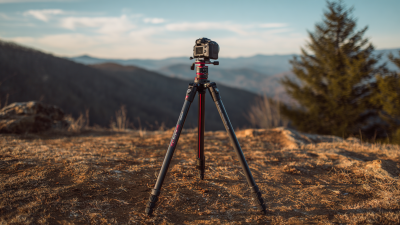
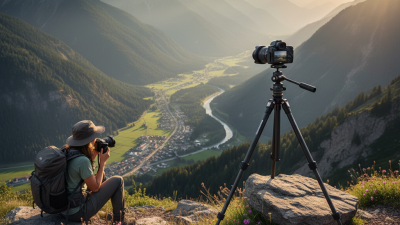
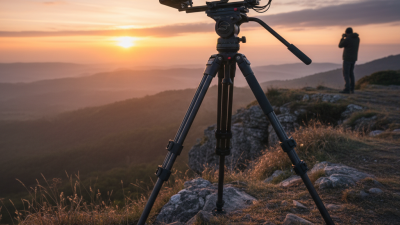
Photographers often find themselves in situations where handheld shooting simply won’t suffice. Whether capturing landscapes in low light, long exposure shots of flowing water, or taking pictures during a crowded event, a Professional Tripod provides the stability needed to ensure that every shot is crisp and well-composed. Beyond stability, a tripod allows for greater creative control over composition and framing, enabling photographers to experiment with angles and level their shots with precision.
Investing in a Professional Tripod not only enhances the quality of your photography but also expands your creative possibilities. As you embark on your photographic journey, consider how a sturdy, reliable tripod can elevate your work, providing the steady support required to unlock your true artistic potential.
The Importance of Stability in Photography: Why a Tripod Matters
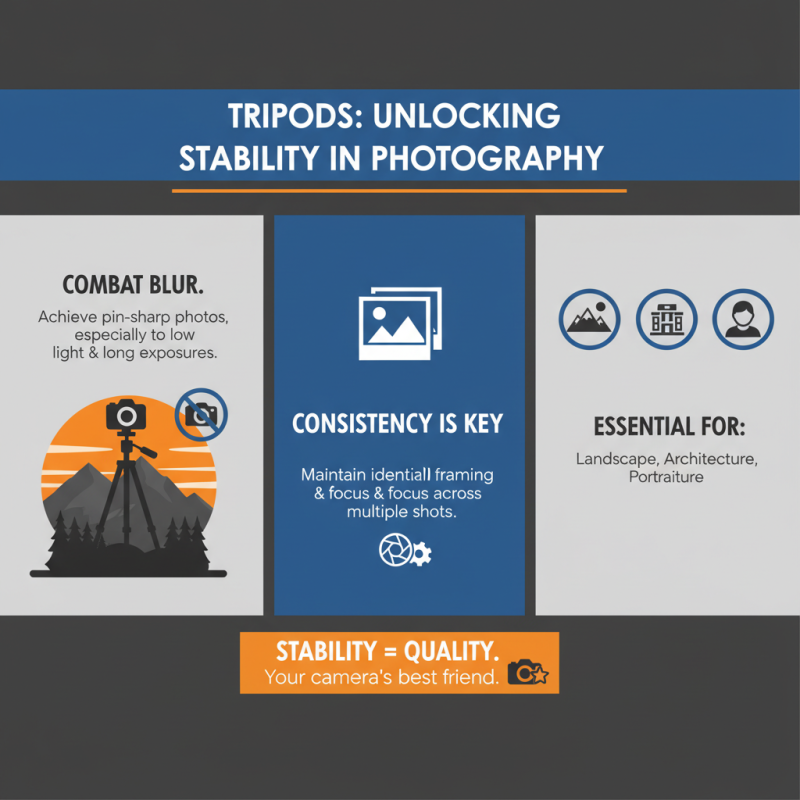
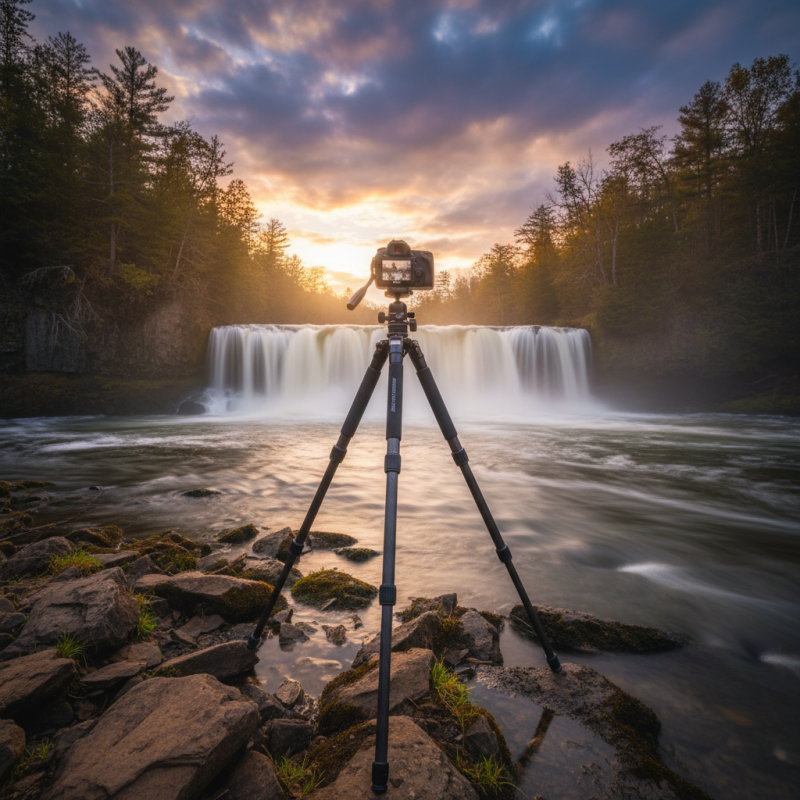
Stability is a crucial factor in capturing stunning images, and this is where a professional tripod comes into play. In photography, even the slightest movement can lead to blurred images, especially when dealing with long exposures or low light conditions. A sturdy tripod ensures that your camera is perfectly still, allowing you to focus on composition and lighting without the worry of camera shake. This stability is vital not only for sharp images but also for maintaining consistency across a series of shots, making it indispensable for landscape, architecture, and portrait photography.
Moreover, using a tripod opens up a world of creative possibilities. It allows for precise framing and the ability to experiment with longer exposure times, which are essential for capturing light trails or smooth water effects. This support system also enables photographers to shoot from unconventional angles or heights, providing unique perspectives that might be difficult or impossible to achieve handheld. In essence, the importance of stability cannot be overstated; it enhances both the technical quality of photographs and the artistic expression of the photographer.
Understanding Different Types of Tripods and Their Uses
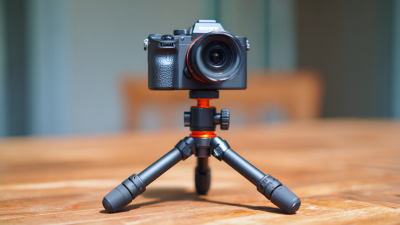
When it comes to photography, having the right equipment can make all the difference. Tripods are essential tools for photographers seeking stability and precision in their shots. There are various types of tripods designed to meet different photography needs. For instance, standard tripods are versatile and great for general use, while mini tripods are perfect for travel, allowing you to capture great images on the go. Additionally, specialized tripods, like those with ball heads or fluid heads, cater to more specific styles like videography, enabling smooth panning and tilting.
Tip: When selecting a tripod, consider the weight and height specifications to ensure it matches your shooting style and environment. A lightweight tripod is ideal for hiking, while a sturdier model is best for studio work.
Another crucial factor is the material of the tripod. Aluminum tripods are durable and affordable, while carbon fiber options are lighter and more resistant to temperature changes. Each material has its pros and cons, influencing your choice based on your photography goals and budget.
Tip: Test how easy it is to set up and adjust the tripod in-store, as quick adjustments can be vital during a shoot, especially in dynamic environments.
Why You Need a Professional Tripod for Stunning Photography Results
| Tripod Type |
Material |
Weight Capacity |
Best For |
Key Feature |
| Aluminum Tripod |
Aluminum |
15 lbs |
Travel Photography |
Lightweight and portable |
| Carbon Fiber Tripod |
Carbon Fiber |
20 lbs |
Nature and Wildlife Photography |
Vibration-damping |
| Flexible Tripod |
Plastic/Metal |
5 lbs |
Vlogging and Travel |
Bendable legs for versatility |
| Studio Tripod |
Metal |
30 lbs |
Studio Photography |
Height adjustable |
| Heavy-Duty Tripod |
Steel/Aluminum |
50 lbs |
Cinematography |
Extreme stability |
Key Features to Look for When Choosing a Professional Tripod
When selecting a professional tripod for photography, understanding the key features is essential for capturing stunning images. First and foremost, stability is paramount; a tripod should effectively minimize camera shake, especially during long-exposure shots. According to a 2022 survey by the Imaging Resource Institute, photographers reported that nearly 75% of their best images were taken using tripods that provided superior stability. This emphasizes the importance of investing in a solid tripod that can withstand various conditions, ensuring that photographers achieve optimal clarity and precision.
Another crucial feature to consider is the load capacity of the tripod. Photographers should choose a tripod that can support their camera and lens setup securely. Industry standards suggest that the tripod’s weight capacity should exceed the total weight of the gear by at least 1.5 times. For instance, a recent report revealed that tripods with higher load capacities not only enhance safety but also offer better performance in windy conditions. Additionally, adjustable leg angles and rubber feet can greatly increase versatility and usability across different terrains, catering to locations ranging from rugged mountains to urban settings. Ensuring these features are present in a tripod can make a significant difference in the quality of your photography.
Comparison of Tripod Features for Photography
How a Tripod Enhances Versatility in Various Photography Styles
A professional tripod is an essential tool that can significantly enhance your versatility across various photography styles. Whether you are capturing stunning landscapes, intimate portraits, or fast-paced action shots, a sturdy tripod provides the stability needed to achieve crisp and clear images. By using a tripod, photographers can explore long exposure techniques that reveal movement in a striking way, such as silky smooth waterfalls or star trails in the night sky. This kind of creative control allows you to push the boundaries of your craft.
Incorporating a tripod into your photography toolkit also opens up the possibility of experimenting with different angles and compositions. For instance, a low-angle shot can add a unique perspective to a photograph, while higher viewpoints can reveal intricate details in vast landscapes. With a reliable tripod, you can easily adjust your height and angle without worrying about holding the camera steady, thus giving you the freedom to focus on your artistic vision.
Tips: When setting up your tripod, always ensure it is on an even surface for maximum stability. Use the built-in bubble level to keep your shots straight, especially in landscape photography. Additionally, consider investing in a tripod with adjustable legs and a central column to accommodate a range of heights and positions, making it easier to capture that perfect shot in diversified shooting conditions.
Tips for Proper Tripod Setup and Usage for Optimal Results
Setting up a tripod correctly is essential for achieving optimal photography results. Begin by ensuring the tripod is placed on a stable surface. Extend the legs fully and lock them in place to prevent any unwanted movement. Adjust the height of the tripod so that the camera is at eye level or at the desired angle for your composition. Pay special attention to the leg angles; spreading them wider can enhance stability, especially in windy conditions. Use the lower center of gravity provided by a tripod with a wider stance to minimize shake.
When mounting the camera, confirm that it is tightly secured to the tripod head to avoid any wobbling. Utilize the tripod’s built-in features, such as leveling bubbles or quick-release plates, to assist in achieving the proper framing and stability. If you are shooting in low-light conditions or using slower shutter speeds, consider using a remote shutter release or the camera's self-timer function to further diminish any potential camera shake during the shot, ensuring your images remain sharp and clear.