Leave Your Message
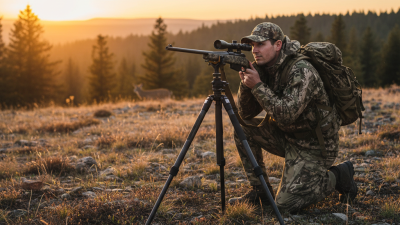
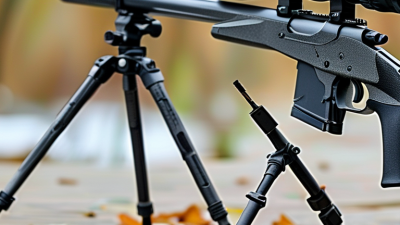
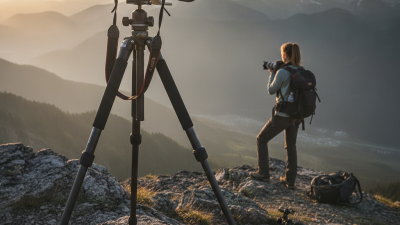
Choosing a reliable Hunting Tripod requires more than comparing prices or counting product models. Global buyers need stable support, practical design, consistent quality, and dependable communication. China has become an important sourcing market for these products. Its manufacturers offer aluminum, carbon-fiber, and hybrid tripod options for hunters, photographers, and outdoor observers.
According to outdoor equipment specialist Ron Spomer, “A tripod must be stable before it becomes useful.” This simple observation explains the central purpose of this guide. A tripod may look impressive in a catalog. However, loose leg locks, narrow feet, or weak panoramic heads can become serious problems on wet ground or steep terrain. Field experience matters.
This overview introduces ten Chinese Hunting Tripod manufacturers serving international buyers. It considers product construction, load capacity, adjustment systems, portability, customization, and export experience. It also examines details that are easy to overlook. These include thread compatibility, replacement parts, packaging protection, and after-sales response.
Some manufacturers may excel at carbon-fiber weight reduction. Others may provide stronger clamps or better private-label support. No supplier is perfect. Buyer expectations can also be unclear. A lightweight tripod may sacrifice some rigidity, while a heavy model may become tiring during long hikes. That trade-off deserves honest attention.
The companies discussed here are not ranked only by marketing language. Their suitability depends on intended use, regional requirements, order volume, and quality-control procedures. Buyers should request samples, verify specifications, and confirm compliance with applicable import and product-safety rules. Responsible outdoor use, conservation principles, and local laws must remain part of every purchasing decision.
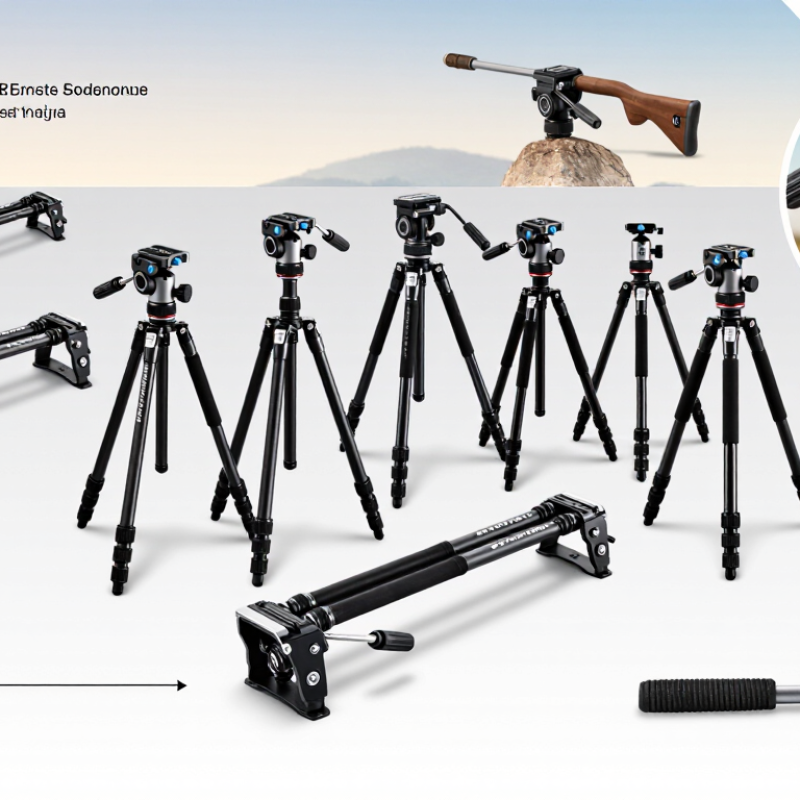
For global buyers, a reliable Chinese hunting tripod manufacturer proves capability through repeatable work, not polished photographs alone. Its engineers should understand load distribution, locking friction, vibration, and uneven ground found in real field conditions. Ask for material specifications, sample inspection records, and clear tolerance ranges before discussing large orders. Good documentation builds trust.
Practical evaluation should include repeated opening cycles, side loading, wet-weather exposure, and transport vibration. The manufacturer should explain which tests are internal and which require independent verification. Look for traceable batch numbers, calibrated measuring tools, and inspectors who record failures without hiding them. A dependable factory also checks leg tubes, hinges, clamps, and rubber feet separately. Small parts matter.
Experience becomes visible when engineers answer detailed questions with measurements, not vague promises. They should provide production timelines, change-control procedures, and responsive communication after design revisions. No factory gets every sample perfect. What matters is whether it identifies the defect, corrects the cause, and prevents repetition. In practical evaluations, honest suppliers may admit a weak prototype or delayed test. That honesty is more useful than an effortless sales conversation. Overseas buyers should also check labeling, packaging safety, and destination-market requirements with qualified local advisers.
An anonymized buyer-comparison matrix based on practical specifications commonly required for hunting, shooting, and outdoor-support tripod production.
| Anonymous Manufacturer Profile | Typical Product Focus | Main Structural Materials | Typical Product Weight | Stated Static Load Range | Folded Length Range | MOQ for Standard Models | Sample Lead Time | Bulk Production Lead Time | Quality-Control Evidence | Customization Capability | Export Readiness | Reliability Rating |
|---|---|---|---|---|---|---|---|---|---|---|---|---|
| Manufacturer Profile 01 | Carbon-fiber shooting tripods with ball heads | Carbon-fiber tubes; 6061 aluminum alloy; stainless-steel fasteners | 1.35–1.70 kg | 18–25 kg | 58–68 cm | 50 units | 7–12 days | 30–45 days | Incoming inspection, assembly inspection, load testing | Logo, color, packaging, head configuration | Carton labeling, export packing, commercial documentation | High |
| Manufacturer Profile 02 | Lightweight field tripods for hiking and mountain hunting | Carbon fiber; magnesium-alloy or aluminum head components | 0.95–1.30 kg | 12–20 kg | 47–60 cm | 100 units | 10–15 days | 35–50 days | Dimensional checks, torque checks, packaging inspection | Color matching, laser marking, carrying-bag design | Standard export cartons and barcode support | High |
| Manufacturer Profile 03 | Heavy-duty tripods for spotting scopes and precision rifles | Aluminum alloy; steel locking hardware; rubber feet | 1.80–2.60 kg | 25–35 kg | 62–78 cm | 30 units | 8–14 days | 30–40 days | Load testing, thread inspection, surface-finish checks | Custom leg angles, head plates, finish, and accessories | Experience with mixed-SKU export orders | High |
| Manufacturer Profile 04 | Compact tabletop and backpacking shooting supports | Aluminum alloy; polymer adjustment knobs; steel inserts | 0.55–0.95 kg | 8–15 kg | 28–42 cm | 200 units | 12–18 days | 40–55 days | Basic inspection records; third-party testing available by request | Packaging, color, logo, and accessory kits | Suitable for standard retail export packaging | Medium–High |
| Manufacturer Profile 05 | Hybrid carbon-fiber and aluminum adjustable tripods | Carbon-fiber upper sections; aluminum lower sections; stainless hardware | 1.20–1.90 kg | 15–28 kg | 55–72 cm | 80 units | 10–16 days | 35–50 days | Material certificates, load tests, batch inspection | Tube length, leg locks, head mount, and retail box | Can support palletized international shipments | High |
| Manufacturer Profile 06 | Tripods with fluid or pan-tilt heads for observation use | Aluminum alloy; engineering polymer; stainless-steel axles | 1.60–2.40 kg | 15–25 kg | 60–75 cm | 50 units | 10–14 days | 30–45 days | Head-movement inspection, stability testing, cosmetic inspection | Head damping, mounting plate, finish, and packaging | Standard export documents and drop-test packaging options | High |
| Manufacturer Profile 07 | Entry-level aluminum hunting tripods for private-label programs | 6063 or 6061 aluminum alloy; polymer locks; steel screws | 1.30–2.10 kg | 10–20 kg | 55–70 cm | 300 units | 12–20 days | 45–60 days | Routine factory inspection; independent audit recommended | Logo, color, carton artwork, and bundled accessories | Competitive for container or consolidated shipments | Medium–High |
| Manufacturer Profile 08 | Premium modular tripods with interchangeable heads | Carbon fiber; CNC-machined aluminum; stainless-steel hardware | 1.10–1.75 kg | 20–30 kg | 52–67 cm | 30 units | 14–21 days | 40–55 days | CNC dimensional reports, load tests, assembly traceability | Modular interfaces, head systems, surface treatment, and packaging | Suitable for premium e-commerce and specialty retail | High |
| Manufacturer Profile 09 | All-weather tripods with sealed leg-lock systems | Anodized aluminum or carbon fiber; rubber seals; stainless hardware | 1.40–2.20 kg | 16–26 kg | 57–73 cm | 100 units | 12–18 days | 40–55 days | Corrosion checks, lock-cycle testing, water-resistance evaluation | Seal design, leg sections, colors, and accessory bundles | Experience with outdoor-product compliance files | High |
| Manufacturer Profile 10 | Multi-purpose tripods for hunting, photography, and outdoor optics | Aluminum alloy; carbon-fiber options; polymer grip components | 1.00–2.00 kg | 12–24 kg | 50–70 cm | 100 units | 10–16 days | 35–50 days | Production inspection available; buyer-approved inspection advised | Mounting plates, head types, color, logo, and packaging | Flexible for mixed orders and private-label shipments | Medium–High |
Buyer note: Product weight, load capacity, MOQ, lead time, and testing records should be confirmed against a current quotation, approved sample, material documentation, and pre-shipment inspection. The profiles above are anonymized sourcing benchmarks and do not identify individual companies or brands.