Top Gun Tripod Options for Enhanced Stability in Photography?
In photography, stability is crucial for getting sharp images. A sturdy platform can make a significant difference. The Gun Tripod serves as an essential tool for both enthusiasts and professionals. It provides excellent support for various camera models. The best tripods can withstand different environments, enabling diverse shooting opportunities.
Choosing the right Gun Tripod is not always straightforward. Many options exist, each with unique features and benefits. Some models are lightweight and portable, perfect for travel. Others are heavier, offering superior stability in windy conditions. Think about the type of photography you enjoy. Do you often shoot landscapes or action shots? The purpose will guide your selection.
Investing in a quality Gun Tripod can lead to better photos. However, one should not overlook the learning curve. It may take time to understand how to set up properly. Sometimes the placement feels awkward or imbalanced. Experimentation is key. Trial and error will ultimately enhance your skills and improve your results.
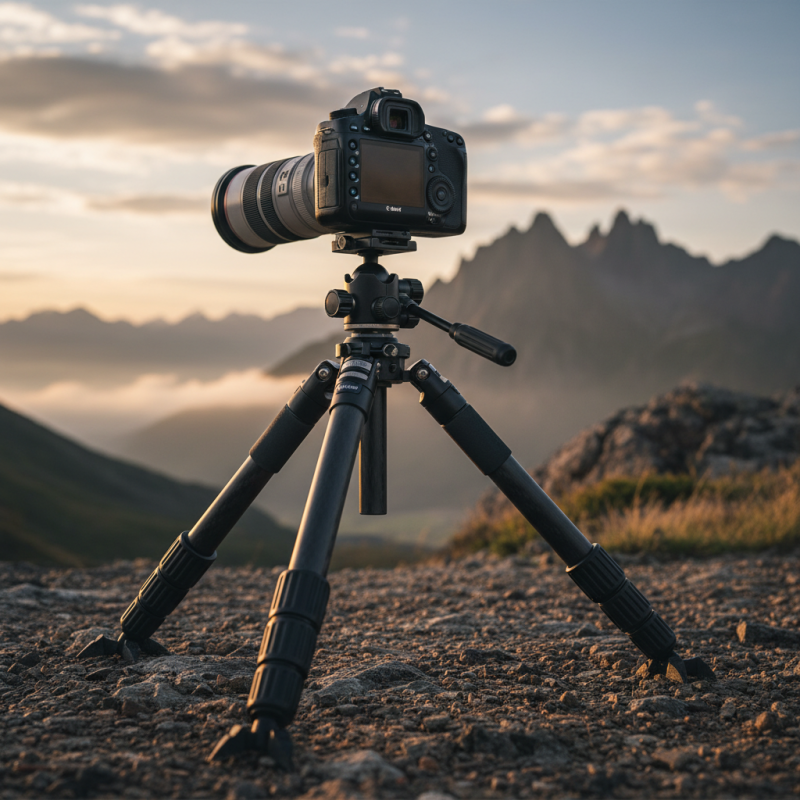
Top Features to Look for in a Tripod for Photography Stability
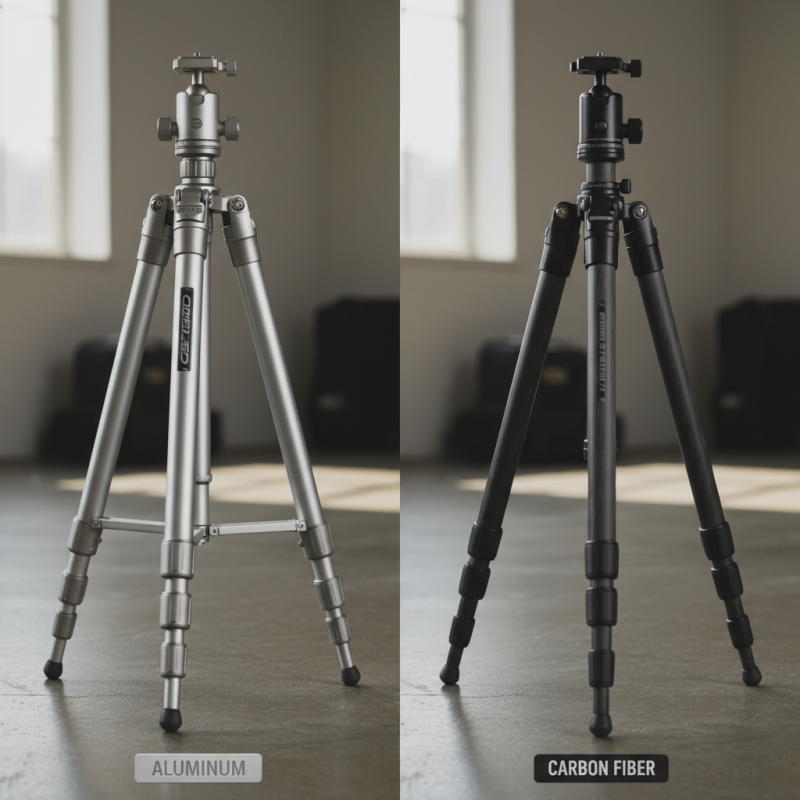
When choosing a tripod for photography stability, several key features matter. First, look at the materials used. Aluminum tripods often offer sturdiness without too much weight. Carbon fiber is lighter but can be pricier. The balance between weight and durability can affect your shooting experience greatly.
Next, consider the tripod's leg locks. Twist locks are compact and sleek but can be slower to adjust. Clip locks may be bulkier but provide quick changes. You want something that secures well, yet allows agile adjustments.
Another feature to keep an eye on is the head type. A pan-tilt head gives you flexibility for various shooting angles. A ball head is compact and quick, but may not offer the precision you desire. Each type has its pros and cons, and personal preference plays a huge role in how they feel during use.
Lastly, reflect on the height range. A tripod that’s too short may force you into awkward positions. If it’s too tall, it could be cumbersome. Aim for a balance that suits your shooting style. Stability in photography is crucial, yet achieving it often requires careful thought about how each feature aligns with your needs.
Comparison of Different Tripod Materials: Aluminum vs. Carbon Fiber
When choosing a tripod, the material matters. Aluminum and carbon fiber are popular options. Each has its pros and cons.
Aluminum tripods are heavier but often more affordable. They provide excellent stability, ideal for windy conditions.
However, their weight can be a downside for travel photographers.
Carbon fiber tripods are lighter and more portable. According to a recent study, carbon fiber can reduce vibration by 30% compared to aluminum. This is crucial for long exposure shots. Yet, the price point can be a significant hurdle. Affordability often prevents photographers from making the switch.
Photographers must weigh convenience against performance.
Some may find aluminum sturdy enough for their needs. Others might prefer carbon fiber for its reduced weight, especially during hikes.
Finding the right balance is essential. The choice impacts the overall photography experience.
Understanding Load Capacity: How Much Weight Can Your Tripod Handle?
When choosing a tripod, load capacity matters. This is the weight your tripod can support safely. A tripod with a higher capacity can handle heavier cameras and lenses. If you plan to use a large setup, this is crucial. Don’t overlook this aspect, as overload can lead to accidents. Imagine your valuable gear falling to the ground. It’s a nightmare scenario.
Know your gear’s weight. Include the camera, lens, and any accessories. Always check the specifications of your tripod. Sometimes, users underestimate the combined weight. Remember, this can affect stability, too. A tripod that can hold 20 pounds might not perform well if you attach heavier items.
Stability comes from the right setup. If a tripod is not stable, you’ll see blurry images. Use sandbags or weight hooks if available. That extra weight can make a difference. Sometimes, users are tempted to cut corners. They may choose a lighter tripod to save money. This decision can lead to frustration during shoots. You want reliability, not regret.
The Importance of Tripod Height and Its Impact on Photography
Tripod height plays a crucial role in photography. The stability provided by a tripod can elevate the quality of your shots. A taller tripod allows you to capture images from higher angles, offering unique perspectives. However, reaching that height might not be comfortable for everyone. Some photographers struggle to handle taller tripods, leading to awkward positions.
When using a tripod, consider your shooting environment. Uneven surfaces can challenge any height adjustment. A lower tripod might be ideal for macro photography, but it also limits the field of view. Striking the right balance is essential.
**Tips: Make sure to test your tripod’s height before starting your shoot.** Adjust it according to your comfort level. Aim for stability without sacrificing your angle. A sturdy, lower tripod can often deliver excellent results. Always have a plan for unexpected situations during your shoots. The right height should feel natural, allowing you to focus on your creative vision.
Top Gun Tripod Options for Enhanced Stability in Photography
| Tripod Model |
Max Height (cm) |
Min Height (cm) |
Weight Capacity (kg) |
Folded Length (cm) |
Price (USD) |
| Model A |
170 |
60 |
10 |
53 |
149.99 |
| Model B |
150 |
45 |
8 |
42 |
99.99 |
| Model C |
180 |
65 |
12 |
57 |
199.99 |
| Model D |
160 |
50 |
15 |
52 |
129.99 |
Selecting the Right Tripod Head for Optimal Stability and Flexibility
Choosing the right tripod head is crucial for achieving optimal stability in photography. A good tripod head allows for smooth movements and better control over your shots. When selecting one, consider the type of photography you pursue. If you often shoot landscapes, a ball head might suit you best. It offers flexibility and quick adjustments.
Tips: Test different tripod heads before making a purchase. Each type has its own feel. A fluid head is perfect for video, while a pan-tilt head gives you specific control over each axis. Consider the weight of your equipment. Heavier setups require sturdier heads for stability.
Don’t overlook the importance of the quick-release plate. It can save you time when switching between shots. Ensure it securely holds your camera. Sometimes, plates can be loose or hard to attach. This can lead to frustration during a shoot. A quick-release plate should make capturing spontaneous moments easier, not harder.
Top Gun Tripod Options for Enhanced Stability in Photography