Top Tabletop Tripod Options for Global Buyers in 2026?
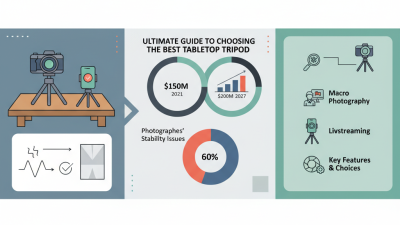
As the photography and videography markets evolve, the demand for innovative equipment grows. Among essential tools is the Tabletop Tripod. Industry reports suggest a robust market trajectory, with projections indicating a growth rate of approximately 5.6% annually through 2026. This growth highlights the increasing reliance on portable and versatile equipment for both amateur and professional creators.
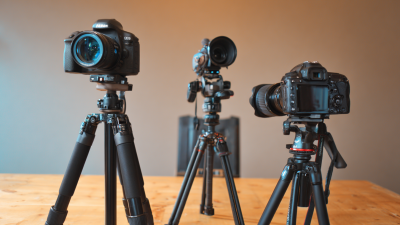
Tabletop Tripods provide stability and flexibility in varying environments. They cater to video creators, photographers, and even influencers. Trends show a shift toward compact designs that do not sacrifice durability or functionality. For instance, brands innovating in materials yield lighter yet sturdy tripods that cater to global users’ needs. However, with such numerous options, buyers face the challenge of discerning quality from gimmicks.
Moreover, while exploring choices, it’s critical to consider user reviews and expert opinions. Some models claim impressive features but fall short in real-world applications. Therefore, it becomes necessary to identify models that combine quality with value, ensuring that the selected Tabletop Tripod meets intended creative goals effectively.
Top Features to Consider in Tabletop Tripods for 2026
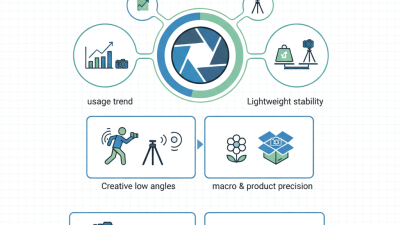
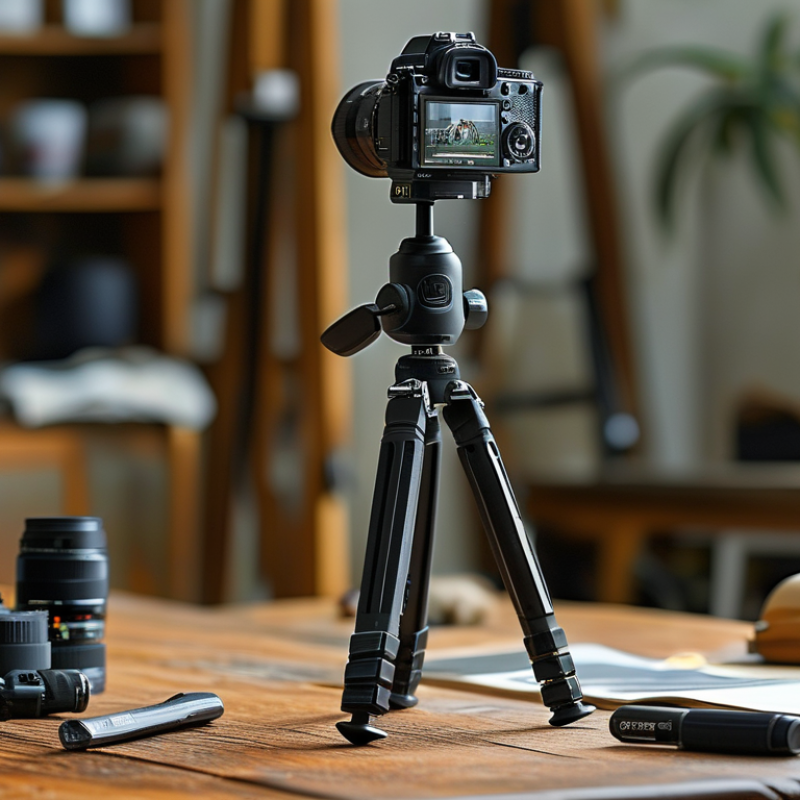
When choosing a tabletop tripod in 2026, several features stand out. Stability is crucial. Look for tripods with sturdy legs and solid construction. Even slight vibrations can affect image quality. A lightweight design can aid portability, but balance is key. Materials like aluminum or carbon fiber may offer the right blend of durability and weight.
Another consideration is height adjustment. Tripods should allow for easy height changes to suit various shooting angles. Features like quick-release mechanisms enhance usability, especially for those on the go. Thoughtful joint designs can facilitate smooth movement, aiding in precise positioning.
Compatibility with cameras and smartphones is vital. Ensure that your tripod can accommodate different devices. Also, examine the load capacity. A tripod must support your equipment without risk. While it’s tempting to focus on aesthetics, functionality should be the priority. An array of features can add complexity. Assess if each feature truly meets your needs. Each detail can make a significant impact on your overall experience.
Best Tabletop Tripod Brands and Manufacturers for Global Buyers
When considering the best tabletop tripod brands and manufacturers for global buyers, reliability is key. Look for companies with a strong reputation in the photography market. Many brands focus on creating durable, lightweight materials that make transport easy. Pay attention to user reviews, as they offer real insights into product performance. A solid tripod can elevate your photography skills.
Some manufacturers prioritize innovative features. For instance, adjustable legs can provide stability on uneven surfaces. Think about how these features impact your work. Not every brand excels in every area, leading to a mix of quality among options. It's essential to weigh the pros and cons of each model before making a purchase.
Global buyers may also find variations in availability. Some brands are more accessible in certain regions. Always check if local distributors offer warranties or support. This can make a significant difference in your buying experience. It’s worth reflecting on your specific needs as a photographer before settling on a choice.
Price Ranges and Budget Options for 2026 Tabletop Tripods
As the demand for versatile photography tools grows, the tabletop tripod market is evolving rapidly. In 2026, pricing for these tripods varies considerably. Entry-level models can be found for as low as $30, catering to hobbyists and casual photographers. Industry reports indicate that mid-range tripods, priced between $70 to $150, offer enhanced stability and features, making them ideal for semi-professional use.
The high-end segment, typically exceeding $200, is often seen as a reliable investment for professionals. These tripods provide advanced materials and engineering, but buyers may notice diminishing returns as prices increase. It's crucial to assess whether the additional features justify the cost. A 2023 market analysis revealed that around 45% of consumers prioritize budget-friendly options, opting for models that deliver essential functionality without breaking the bank.
Users must remain vigilant about brands claiming to offer premium features. Not all expensive tripods live up to their price tags, which can lead to buyer regret. Each buyer should carefully consider how often they will use the tripod and the environments in which it will be employed to ensure they choose a model that fits their unique needs.
User Reviews and Ratings of Top Tabletop Tripods for 2026
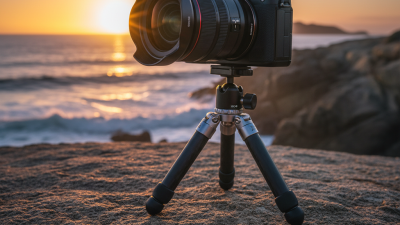
As we look ahead to 2026, tabletop tripods continue to gain popularity among photographers and videographers. User reviews highlight their portability and versatility. Many users appreciate lightweight designs that make outdoor shoots easier. Stability remains a key concern, with some reviewers noting that certain models can wobble in windy conditions. Users stress the importance of select materials; plastic tripods often lack the sturdiness some situations require.
Another common point in user feedback is the functionality of adjustable legs. Some tripods allow for quick adjustments, while others can be frustratingly rigid. Users recommend trying models with smooth locking mechanisms. Not every tripod is suitable for every type of camera, and this can lead to mixed reviews. Those with heavy cameras tend to prioritize sturdiness over weight.
In addition, design plays a significant role in user satisfaction. A sleek, compact tripod is desirable for many, but comfort during use is crucial. Some users reflect on their experiences with awkward grips. Features like integrated phone mounts can boost convenience, yet their reliability varies. Reviews indicate that attention to detail in design can enhance overall performance.
Top Tabletop Tripod Options for Global Buyers in 2026
| Tripod Model |
Weight (lbs) |
Height Range (inches) |
Material |
User Rating (out of 5) |
Price (USD) |
| Compact Traveler |
2.5 |
10 - 24 |
Aluminum |
4.5 |
79.99 |
| Pro Mini Stand |
3.0 |
12 - 30 |
Carbon Fiber |
4.8 |
129.99 |
| Flexi Grip |
2.1 |
11 - 22 |
Plastic |
4.2 |
49.99 |
| Sturdy Base Tripod |
3.5 |
14 - 32 |
Aluminum |
4.7 |
99.99 |
| Ultra Lightweight Tripod |
1.8 |
10 - 20 |
Carbon Fiber |
4.4 |
149.99 |
Future Trends in Tabletop Tripod Design and Technology
The tabletop tripod market is evolving rapidly. In 2026, we can expect significant advancements in both design and technology. Compact and lightweight materials will dominate the scene. This shift makes tripods easier to transport without sacrificing stability.
In addition, smart technology integration will become a common feature. Sensors and Bluetooth connections will allow for remote control adjustments. Users can expect enhanced functionalities like automatic leveling and adjustable height settings. However, implementing these innovations may pose challenges in terms of battery life and user interface complexity.
Design trends will also focus on sustainability. Eco-friendly materials will gain traction. This change aims to meet the demands of environmentally conscious consumers. Nonetheless, balancing durability with sustainability can be problematic. Brands may need to rethink their production processes. The future of tabletop tripods looks promising but requires thoughtful reflection on practical usability.
Top Tabletop Tripod Options for Global Buyers in 2026