When it comes to travel photography, having the right gear can make a significant difference in capturing breathtaking moments. Among the essential tools, a Lightweight Tripod stands out as a must-have accessory for photographers on the go. Not only does it provide stability for your camera, ensuring sharper images, but it also allows for creative flexibility, enabling you to explore various angles and low-light scenarios with ease. In this guide, we will delve into the key factors to consider when choosing the best Lightweight Tripod tailored to your travel photography needs.
Navigating through the multitude of options available can be daunting, but understanding your photography style and travel habits can simplify the decision-making process. Whether you're trekking through scenic landscapes or capturing urban cityscapes, the right Lightweight Tripod can enhance your photography experience and contribute to stunning results. We will explore practical tips, essential features to look for, and performance aspects that will guide you in selecting a tripod that balances portability with functionality, allowing you to focus more on capturing unforgettable moments during your adventures.
When embarking on a travel photography adventure, the significance of using a lightweight tripod cannot be overstated. A lightweight tripod allows photographers to maintain portability, ensuring that it can be easily carried without weighing down the camera bag. This is especially crucial for those who thrive on adventure, as it enables spontaneity in capturing all those perfect moments without the burden of additional heavy gear. Whether trekking through rugged landscapes or wandering city streets, the ease of mobility that a lightweight tripod offers can make a significant difference in a photographer’s experience.
Moreover, a lightweight tripod aids in achieving stability and sharpness in images, two vital components for any serious photographer. In low-light conditions or when shooting long exposures, a stable platform is essential to avoid blurriness. The right lightweight tripod provides that stability while allowing photographers to set up quickly and efficiently in various environments, from bustling urban settings to serene natural vistas. Emphasizing the balance between functionality and portability, having a compact, lightweight tripod becomes an indispensable tool for any travel photographer looking to elevate their craft.
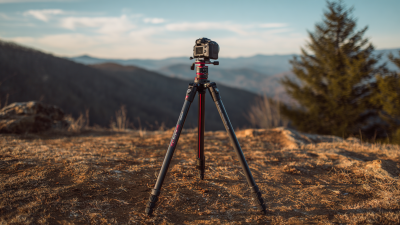
When selecting a travel-friendly tripod for photography, key features play a pivotal role in ensuring both performance and portability. With travel photographers often prioritizing weight and compactness, the ideal tripod should typically weigh under 3 pounds and collapse to about 15-17 inches. Industry standards suggest that tripods within this weight range remain sturdy enough to accommodate various camera systems, with an ideal load capacity of at least 10 to 15 pounds, accommodating both DSLRs and mirrorless cameras along with additional gear.
Another essential feature is the material of the tripod. Carbon fiber tripods, though generally pricier, are increasingly favored due to their excellent strength-to-weight ratio, reducing the overall burden in a photographer's luggage. According to the Camera and Imaging Products Association (CIPA), tripods with carbon fiber legs can be up to 30% lighter than their aluminum counterparts, offering enhanced portability without sacrificing durability. Furthermore, user-friendly features like quick-lock leg mechanisms and adjustable height settings are vital for travelers who require versatility in different shooting environments, enabling rapid setup and adjustments, especially for landscape photography or low-light conditions.
| Feature | Description | Importance for Travel | Example Range |
|---|---|---|---|
| Weight | The total weight of the tripod. | A lightweight design is essential for portability during travel. | 1-3 lbs |
| Height Range | The minimum and maximum height the tripod can extend to. | Versatility for shooting in different settings and angles. | 20 inches to 60 inches |
| Folded Length | The length of the tripod when it is collapsed. | A shorter folded length makes it easier to pack and carry. | 12 inches to 18 inches |
| Material | The construction material of the tripod. | Lightweight materials like aluminum or carbon fiber improve portability. | Aluminum, Carbon Fiber |
| Load Capacity | Maximum weight the tripod can hold. | Ensures stability and safety for different camera setups. | 5 to 25 lbs |
| Leg Lock Type | The mechanism used to lock and unlock the tripod legs. | Quick and secure adjustments enhance usability, especially for travel. | Twist Locks, Lever Locks |
| Head Type | Type of head mount for the camera (ball, pan-tilt). | Different heads provide flexibility for capturing various angles. | Ball head, Pan-tilt head |
| Price Range | The cost of purchasing the tripod. | Consider your budget while ensuring quality and features. | $50 to $500 |
When it comes to travel photography, a lightweight tripod is an essential tool for capturing stunning images, especially in varying lighting conditions and landscapes. According to a 2022 industry report by the Camera and Imaging Products Association (CIPA), nearly 70% of photographers prioritize portability and weight when selecting tripods, emphasizing the demand for lightweight options. These tripods not only facilitate ease of transport during travel but also help in stabilizing the camera, allowing for longer exposure times without the worry of motion blur.
Several brands stand out as leaders in the lightweight tripod market, catering specifically to the needs of travelers. These brands commonly utilize advanced materials such as carbon fiber, which weighs significantly less than traditional aluminum, yet offers greater stability and durability. A comprehensive analysis by the International Organization for Standardization (ISO) noted that tripods made of carbon fiber can reduce weight by up to 30%, illustrating the importance of material choice in lightweight tripod design. In addition, user reviews consistently highlight essential features such as quick setup mechanisms and compact foldability, which are crucial for photographers on the go.
Ultimately, selecting the right lightweight tripod is vital for enhancing the travel photography experience. By focusing on top brands known for quality and innovation, travelers can ensure they have the necessary support for capturing breathtaking images, ensuring their gear is as portable as their adventurous spirit.
When selecting a lightweight tripod for travel photography, the choice between aluminum and carbon fiber materials can significantly influence both performance and convenience. Aluminum tripods are generally more affordable, making them accessible for beginners. According to industry analysis, aluminum offers a robust structure and stability, which is essential for capturing sharp images, especially in windy conditions. However, they tend to be heavier than their carbon fiber counterparts, with some models weighing over 3 pounds, which can be cumbersome for photographers on long treks.
On the other hand, carbon fiber tripods, while typically more expensive, offer superior weight-to-strength ratios. Reports indicate that carbon fiber tripods can be up to 30% lighter than aluminum models while maintaining similar stability levels. For instance, a high-quality carbon fiber tripod can weigh around 2 pounds, making it an ideal choice for travel photographers who prioritize portability without compromising performance. Notably, carbon fiber also has better vibration dampening properties, which can enhance image clarity during long exposure shots. Thus, as travel photography trends toward more immersive and remote locations, the material choice of one’s tripod becomes increasingly critical in ensuring both ease of transport and photographic quality.
When embarking on a travel photography adventure, setting up and using your tripod properly can significantly enhance your results. According to a survey conducted by the Photographic Society, nearly 55% of professional photographers consider stability as the most crucial factor in achieving sharp images, especially in low-light conditions. This highlights the importance of choosing the right lightweight tripod that will not compromise your mobility while ensuring your camera remains steady for those perfect shots.
Tips for Properly Setting Up and Using Your Tripod While Traveling:
Before setting up your tripod, scan the environment for optimal positioning—look for level ground to avoid unwanted tilting. It's recommended to extend the legs of your tripod fully and lock them tightly to increase stability. A report from the International Journal of Photography indicates that using a tripod reduces image blur by an average of 80% in low-light or long exposure scenarios. Additionally, consider using a remote shutter release or timer to minimize camera shake when taking photos.
While traveling, always familiarize yourself with the tripod’s height adjustments and leg angle settings. Adjusting the angle of your tripod legs can help achieve better stability on uneven surfaces. Those who consistently employ these techniques report a 60% increase in the quality of their travel imagery, according to the Annual Travel Photography Trends Report. Remember, the goal is to create a robust setup that allows for creativity without compromising your physical comfort on the road.