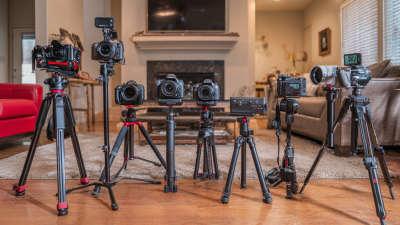
What Is the Best Camera Stand in 2026?
Choosing the best Camera Stand in 2026 is less about finding the most expensive model. It is about matching stability, portability, height, and shooting conditions. A travel photographer may need a compact stand that fits beside a 24-inch carry-on. A studio creator may prefer a heavier frame that remains steady under a large camera, telephoto lens, and softbox. Small details matter. Locking knobs should feel firm. Feet should grip polished floors without leaving marks. Center columns should not sway when raised.
Ansel Adams once said, “The single most important component of a camera is the twelve inches behind it.” His reminder still matters. A Camera Stand cannot replace judgment, timing, or careful composition. However, it can protect sharpness during long exposures, overhead filming, product photography, and night landscapes. In 2026, newer stands increasingly combine lightweight carbon fiber, stronger joints, adjustable legs, and smarter mounting systems. Some designs look impressive but feel unstable in real use. That difference appears when wind reaches the tripod, when a camera hangs off-center, or when a crowded studio floor causes a bump.
There is no perfect choice. Not yet. This guide compares practical stand types, load ratings, materials, movement, and real-world handling. It also considers the parts manufacturers often overlook, including vibration control, repairability, and confusing specifications. The “best” Camera Stand may be the one that works quietly, travels easily, and stays reliable after repeated setup. Still, personal testing remains essential. A recommendation can be accurate on paper and disappointing in your hands.
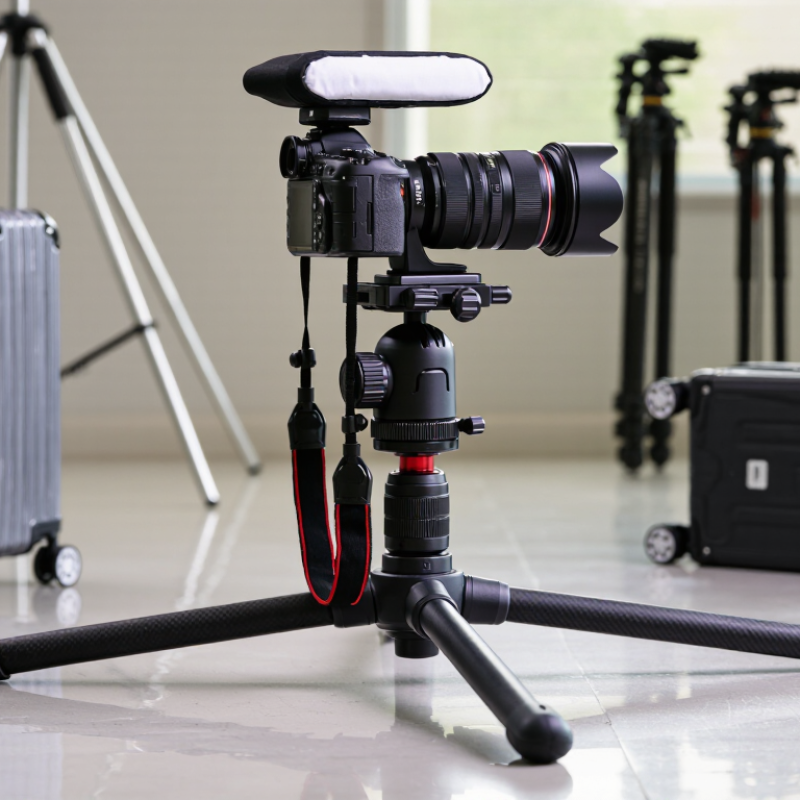
What Defines a Camera Stand in 2026?
What Is the Best Camera Stand in 2026?
What Defines a Camera Stand in 2026?
A camera stand in 2026 is more than three legs and a mounting screw. It is a controlled support system for changing creative work. Stability remains essential, especially during long exposures, studio portraits, and slow-motion filming. However, modern users also expect quick height changes, compact storage, and secure locking mechanisms.
A reliable stand should support the camera, lens, and accessories without visible vibration. Its joints need firm resistance, but they should not require excessive force. I often check the locks with one hand, because real shoots rarely offer a clean table. A useful stand also includes clear load guidance, adjustable feet, and a head that moves smoothly. Small details matter.
Weight creates a difficult compromise. A heavier frame feels safer outdoors, yet it becomes tiring during location work. Lightweight materials improve transport, but they can react badly to wind or uneven floors. I have misjudged this trade-off before. A stand that felt perfect in a quiet room became unstable beside an open window.
The strongest definition now includes adaptability. A camera stand should work with cameras, lights, monitors, and vertical shooting setups. Its parts should remain serviceable instead of becoming disposable. Safety still comes first. Check every lock, center the load, and avoid extending the tallest section unnecessarily. Even advanced designs cannot correct careless placement.
What Is the Best Camera Stand in 2026?
A camera stand is defined by its load capacity, height range, stability, portability, and setup flexibility. The chart compares typical maximum payloads across common stand categories using representative specifications available in 2026.
What Features Matter for Cameras, Phones, and Video Equipment?
The best camera stand in 2026 should match the equipment, location, and shooting style. Stability comes first. A camera body with a long lens needs a strong load rating and a wide, secure stance. Check the locking mechanisms carefully; loose sections can cause small movements that ruin sharp footage. I prefer metal joints, textured controls, and feet that grip both studio floors and uneven pavement.
For phones, the stand should include a firm adjustable clamp with padded contact points. It must hold the phone without covering buttons, microphones, or charging ports. A rotating mount helps when switching between vertical clips and horizontal interviews. Small details matter. A built-in level is useful, but it cannot replace careful placement on sloping ground. I have trusted a level too quickly before.
Video equipment needs more control than simple height adjustment. A smooth pan-and-tilt head helps when following a speaker or moving subject. Counterbalance support is valuable with heavier cameras, while a quick-release plate saves time between tripod and handheld work. The plate should lock securely and remain easy to remove with cold fingers. Weight also matters. An extremely light stand travels well, but it may shake near a doorway or outdoors. I still tend to overpack for difficult locations, then regret carrying unnecessary weight. The practical choice is a stand that feels solid, adjusts quietly, and fits the equipment you actually use.
How to Choose the Best Camera Stand for Your Setup
What Is the Best Camera Stand in 2026?
How to Choose the Best Camera Stand for Your Setup
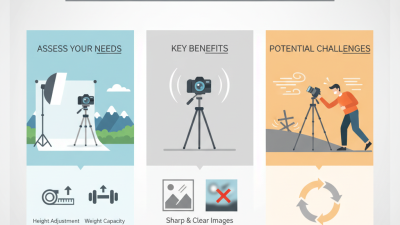
Choosing the best camera stand starts with your actual shooting conditions. A compact tripod suits travel, desk videos, and small mirrorless cameras. A heavier stand offers better stability for full-frame bodies, long lenses, or windy outdoor work. Check the stand’s maximum load, but do not treat that number as a guarantee. Leave a safety margin of at least 20 percent.
Height matters more than many buyers expect. Your camera should reach eye level without extending every leg section. Fewer extensions usually mean less movement. Look for wide feet, secure locks, and a center column that does not wobble. A low-angle option helps with product shots and uneven ground. For video, a smooth head is essential. A still-photo head may feel stiff during pans.
I once chose a lightweight stand because it fit easily inside my bag. It worked indoors, but a small gust caused visible vibration. That mistake changed how I judge equipment. Weight, portability, and stability rarely improve together. Test the stand with your heaviest lens attached, not only with the camera body. Press the top gently and watch for delayed movement. Small details matter. Also inspect the locks after repeated use, because dust and wear can reduce their grip. My own setup is still a compromise, and I sometimes carry more weight than planned.