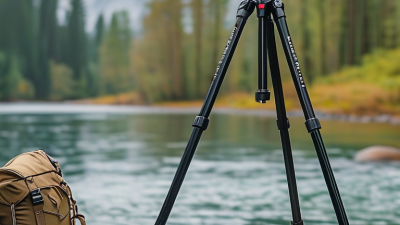
What Is Triopd Carbon Fiber and Why Choose It?
Triopd Carbon Fiber is often discussed as a lightweight composite material for products requiring strength, stiffness, and controlled weight. The name may describe a particular carbon-fiber product, construction method, or supplier specification. It should not be treated as a universal technical standard. That distinction matters.
In practical use, carbon fiber consists of reinforcing fibers embedded in a resin matrix. The fibers may appear as a tight twill weave, a plain weave, or aligned unidirectional layers. Each structure responds differently to bending, impact, and repeated loading. A glossy black surface looks impressive, but appearance proves very little. Engineers should check fiber orientation, resin type, laminate thickness, tensile data, and manufacturing tolerances. Supplier documentation remains essential.
Why choose Triopd Carbon Fiber? Its potential advantages include low mass, high stiffness, and a clean, precise finish. These qualities can support applications such as equipment panels, structural covers, sporting components, and specialized enclosures. However, carbon fiber is not automatically the best choice. It can be expensive, difficult to repair, and vulnerable to hidden damage after impact. It may also require careful joining with metals and other materials. Real experience often reveals these limitations late. That is why testing matters.
A responsible evaluation compares performance with cost, maintenance, safety, and actual operating conditions. Samples should be inspected under suitable lighting and measured when possible. Independent engineering review adds confidence. Triopd Carbon Fiber may offer meaningful value, but only when its exact specification matches the intended application. The label alone is not enough.
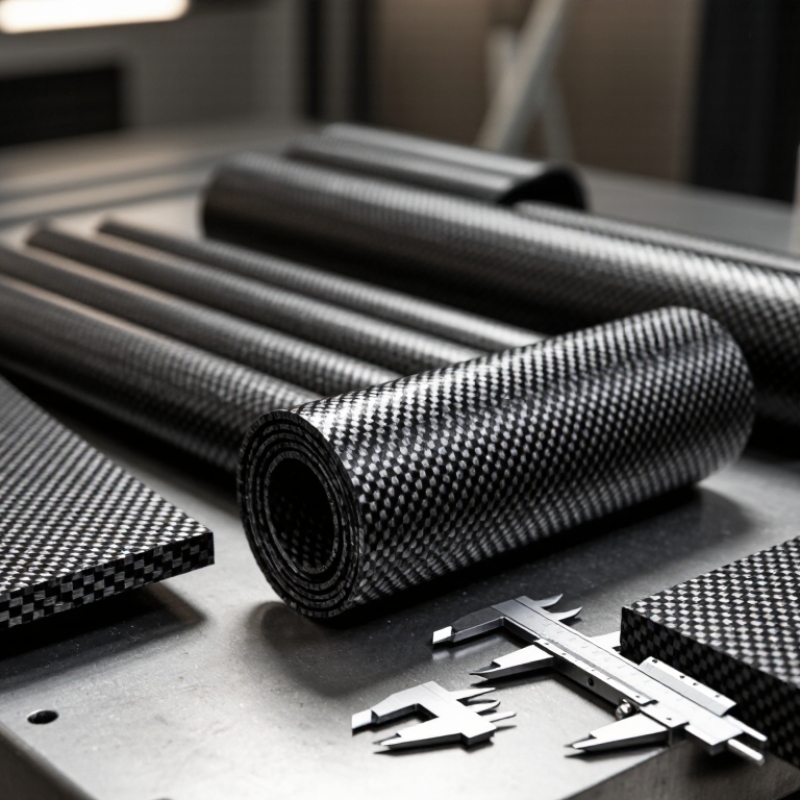
Definition and Composition of Tripod Carbon Fiber
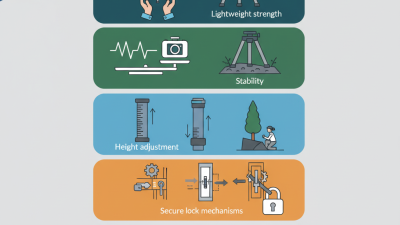
Tripod carbon fiber refers to tripod legs made from carbon-fiber-reinforced polymer, not solid carbon alone. Thin carbon strands are embedded in an epoxy resin matrix. Manufacturers arrange these strands in layered directions, often combining unidirectional and woven sheets. This structure gives each leg stiffness while keeping its weight low. The tubes may feel warm and smooth, but their performance depends on fiber quality, resin control, and precise curing. The locks, joints, and center column are usually made from metal or engineered polymers.
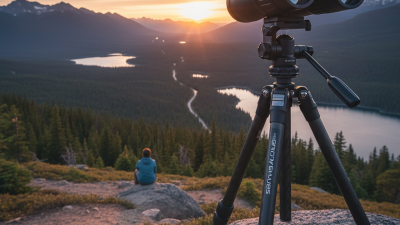
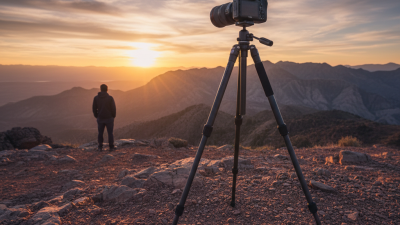
In practical use, carbon fiber can reduce arm fatigue during long outdoor sessions. It also absorbs small vibrations better than many metal tubes. That matters when a camera faces a windy hillside or a long lens. However, carbon fiber is not unbreakable. A hard impact can damage internal layers without leaving an obvious mark. I once treated a small surface crack as cosmetic; that was careless. Regular inspection is essential. Weight ratings should include the camera, lens, and accessories, not only the camera body.
Tips: Check each leg for cracks, crushed areas, or unusual flex. Tighten locks evenly, but do not force them. Keep sand away from joints. In cold weather, wear gloves for better control. A heavier center setup may improve stability, although it reduces portability. Tripod design involves trade-offs. Low weight sounds ideal, but maximum rigidity can require thicker tubes and more material.
What Is Tripod Carbon Fiber and Why Choose It?
Tripod carbon fiber is a composite material made from carbon-rich fibers, commonly produced from polyacrylonitrile (PAN), embedded in a polymer resin. Carbon fibers typically contain more than 90% carbon by mass. Its low density helps reduce tripod weight while maintaining high stiffness.
The chart compares typical densities of materials used in tripod construction. Carbon-fiber composites are generally lighter than aluminum and substantially lighter than steel, making them suitable for portable, rigid tripod designs. Actual values vary according to fiber type, resin content, and manufacturing process.
How Carbon Fiber Tripods Are Manufactured
A carbon fiber tripod is built from thin carbon strands, resin, and carefully shaped tube sections. Its strength comes from direction, not thickness alone. Manufacturers usually begin with polyacrylonitrile fibers, often called PAN. These fibers pass through stabilization and carbonization ovens. Heat removes non-carbon elements and forms a rigid carbon structure. The process requires controlled temperatures and clean handling.
The finished fibers are woven or aligned into sheets. Workers place these sheets around a mandrel, changing their angles for strength in several directions. Resin bonds the layers during curing inside a heated mold. Afterward, technicians cut the tubes, drill mounting points, and smooth each edge. They inspect surfaces for bubbles, weak spots, and uneven walls. In practical testing, they check flex, load performance, vibration, and repeated folding. Small manufacturing differences can still appear. Carbon fiber is strong, but it is not indestructible.
Tips: Look for even tube surfaces and firm joints. Ask about fiber layering and curing control. A lighter tripod may feel convenient, but stiffness matters more for long lenses. Keep grit away from locking mechanisms. Inspect the legs after hard travel. Fancy finishes can hide ordinary construction.
Key Properties of Carbon Fiber Tripod Materials
What Is Tripod Carbon Fiber and Why Choose It?
Carbon fiber tripods use carbon-fiber-reinforced polymer tubes, not pure carbon fiber. The fibers carry loads, while resin holds them in alignment. Their key advantage is a strong stiffness-to-weight ratio. The U.S. Department of Energy reports carbon fiber density near 1.8 g/cm³, compared with about 7.8 g/cm³ for steel. This difference matters when carrying a tripod through airports, trails, or uneven ground.
Carbon fiber also resists corrosion and reduces vibration transmission. Oak Ridge National Laboratory technical data places typical carbon-fiber tensile strength around 3.5–7 GPa, depending on fiber grade and construction. However, these figures describe the reinforcement, not the finished tripod. Tube diameter, fiber direction, resin quality, joints, and locking mechanisms affect real performance. A thick tube may feel more stable than a lighter tube with poor layup. I have found that low weight alone does not guarantee steady framing. Wind still exposes weak designs.
Tips: Check tube diameter, section count, and maximum load together. Fewer sections usually improve rigidity. Avoid placing a carbon-fiber tripod beside intense heat or sharp rocks. The resin can suffer from ultraviolet exposure, impact, and excessive temperature. For long exposures, spread the legs fully and hang only a controlled, light accessory. This is not perfect advice for every setup. A heavy camera may need a sturdier aluminum model, especially in strong wind.
Advantages of Choosing a Carbon Fiber Tripod
What Is Tripod Carbon Fiber and Why Choose It?
Carbon fiber tripods use woven carbon strands inside a resin matrix. This structure delivers high stiffness with relatively low weight. According to the U.S. Department of Energy, carbon fiber composites can weigh about 50% less than steel while maintaining comparable strength. Material data from MatWeb lists carbon fiber composites near 1.5–1.6 g/cm³, compared with aluminum at about 2.7 g/cm³. That difference matters when carrying a tripod through streets, forests, or airports.
Advantages of Choosing a Carbon Fiber Tripod
In practical shooting, lower weight reduces fatigue during long walks. A stiff leg also helps limit small vibrations from wind, long lenses, and slow shutter speeds. I have found this especially useful on uneven ground, where every adjustment becomes noticeable. Carbon fiber resists corrosion better than bare metal, and it feels less cold in winter. Small details matter.
But carbon fiber is not flawless. It can suffer surface damage from sharp impacts, and replacement parts may cost more. The U.S. National Renewable Energy Laboratory reports that composite manufacturing remains energy-intensive, so “lighter” does not automatically mean more sustainable. I still inspect leg locks, joints, and scratches before demanding work. Stability depends on design, not material alone. A poorly engineered carbon fiber tripod can wobble. That is the uncomfortable part.
What Is Triopd Carbon Fiber and Why Choose It? - Advantages of Choosing a Carbon Fiber Tripod
Typical performance characteristics of carbon-fiber and aluminum camera tripods. Actual specifications vary by construction, size, and manufacturer.
| Evaluation Dimension |
Carbon-Fiber Tripod |
Aluminum Tripod |
Practical Advantage |
| Material density |
Approximately 1.5–1.6 g/cm³ for common carbon-fiber composites |
Approximately 2.70 g/cm³ |
Lower material density can help reduce overall tripod weight. |
| Typical weight potential |
Often about 10–30% lighter than a comparable aluminum model |
Usually heavier for a similar size and load class |
More convenient for hiking, travel, and long outdoor sessions. |
| Stiffness-to-weight ratio |
High, because fibers can be oriented along the load direction |
Good stiffness, but generally requires more mass to achieve comparable rigidity |
Supports stable camera positioning without adding as much weight. |
| Vibration behavior |
Composite construction generally dissipates vibration better than metal |
Metal can transmit and sustain vibration more readily |
Can help improve sharpness during long exposures and telephoto shooting. |
| Thermal conductivity |
Low compared with aluminum |
High; aluminum rapidly transfers heat and cold |
Carbon-fiber legs are generally more comfortable to hold in very cold or hot conditions. |
| Corrosion resistance |
Carbon fibers and polymer resin do not rust; hardware still requires care |
Aluminum forms a protective oxide layer but can corrode in salt, moisture, or harsh environments |
Well-suited to regular outdoor use when joints and fittings are maintained. |
| Leg-section adjustment |
Commonly available with 3–5 leg sections |
Commonly available with 3–5 leg sections |
The number of sections affects folded length, setup speed, and rigidity more than material alone. |
| Load capacity |
Varies widely; many full-size models support approximately 8–25 kg |
Varies widely; many full-size models support approximately 8–25 kg |
Choose a rated capacity comfortably above the combined camera, lens, and accessories weight. |
| Impact response |
Can crack, delaminate, or suffer hidden structural damage after a severe impact |
More likely to dent or bend visibly under a comparable impact |
Carbon fiber is strong but should be inspected after drops or hard impacts. |
| Long-term value |
Typically costs more because of composite materials and manufacturing |
Usually offers a lower initial purchase cost |
Carbon fiber may justify its higher cost for frequent travelers and outdoor photographers. |
Factors to Consider When Selecting One
What Is Tripod Carbon Fiber and Why Choose It?
Tripod carbon fiber typically describes a tripod built with carbon-fiber-reinforced tubes. The material combines low weight, stiffness, and vibration resistance. The U.S. Department of Energy reports that reducing vehicle weight by 10% can improve fuel economy by about 6–8%. The comparison is not perfect, but it shows why mass matters in portable equipment.
Selecting one requires more than checking the advertised weight. Measure the folded length, maximum height, tube diameter, and rated load. A 2024 composite-materials market report identifies strength-to-weight performance as a major reason for carbon fiber adoption. However, load ratings can be optimistic. A camera with a long lens creates leverage, not just downward weight. Test the tripod with your actual setup, especially in wind.
Look closely at the joints and locks. Twist locks pack neatly, while lever locks allow faster visual checks. Inspect the carbon weave for uneven resin, sharp edges, or soft areas. Surface appearance is not proof of quality. The International Organization for Standardization emphasizes repeatable testing for composite mechanical properties, yet consumer tripods rarely provide complete test conditions. That gap deserves attention. A lighter tripod may feel impressive indoors but become unstable outdoors. Consider ground clearance, center-column design, replacement parts, and warranty support before choosing.