Choosing the right Tabletop Tripod in 2026 is less about owning the smallest model. It is about controlling movement, weight, and working space. A compact tripod may support a mirrorless camera, microphone, or phone. However, its tiny legs can wobble on a soft desk. That detail matters.
The demand for stable camera support remains connected to wider imaging activity. The Camera and Imaging Products Association reported 8.49 million digital cameras shipped worldwide in 2024, an 11.6% increase from 2023. Its 2025 market statistics also show continuing interest in interchangeable-lens cameras. These figures do not measure tabletop supports directly. Still, they indicate a healthier camera market for accessories, including compact tripods. Grand View Research also identifies camera accessories as a growing product category, driven by creators, travel users, and home studios.
Joe McNally, Nikon Ambassador and professional photographer, has offered practical advice: “A tripod is a great way to slow down and think.” That idea guides this selection. The best Tabletop Tripod should feel steady before it feels impressive. We will examine load capacity, locking systems, folded length, head movement, and surface grip. Price matters, but it can mislead. A cheap tripod with a loose ball head may waste more time than it saves. Some recommendations may also reflect compromise. No model is perfect. A tripod that excels beside a laptop may fail on uneven stone. These tests focus on real desks, narrow shelves, travel bags, and carefully staged product shots. Sources: CIPA Camera and Imaging Products Market Statistics, 2024; Grand View Research, Camera Accessories Market reports.
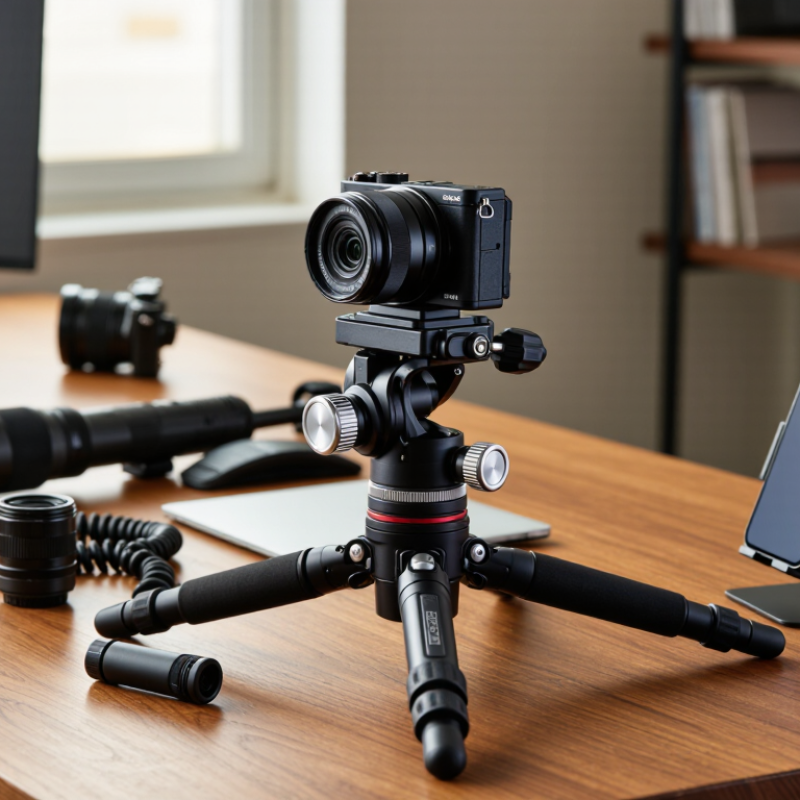
A tabletop tripod is a compact support designed for desks, shelves, benches, and other stable surfaces. It usually has short legs, a small mounting head, and a lighter build than a full-size tripod. The best models can hold a camera securely while keeping the lens at a useful angle. However, “compact” does not always mean stable. A heavy camera may shift the center of gravity, especially when the legs are fully spread.
Who needs one? Content creators can use it for overhead demonstrations, product photography, and quiet indoor filming. Travelers may prefer it for self-portraits without carrying bulky equipment. It also helps photographers capture sharper images in low light, when slower shutter speeds increase blur. Families, students, and remote workers may find it useful for video calls or simple tutorials. It is less suitable for uneven ground, strong wind, or large professional camera setups.
Tips: Check the tripod’s weight rating, but do not treat that number as absolute. Leave some safety margin. Place one leg beneath the lens for better balance. Tighten the camera plate carefully, then test the setup with a gentle touch. I once trusted a small tripod on a polished table, and the camera slowly slid forward. That mistake changed my habits. A rubberized base, a locking head, and a level surface matter more than impressive-looking specifications. Also, test the viewing angle before recording. Small adjustments can prevent a crooked horizon and wasted footage.
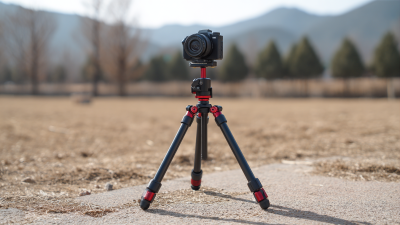
Choosing among the 10 best tabletop tripods for cameras in 2026 requires more than checking folded size. A stable model should match your camera’s weight, lens length, and shooting position. CIPA’s 2024 Camera and Imaging Products Statistics Report recorded more than 8 million digital camera shipments worldwide. That growing user base makes practical support equipment increasingly important.
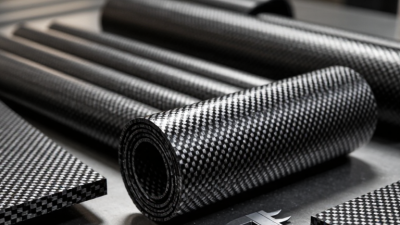
Check the tripod’s maximum load, but do not treat it as a perfect guarantee. A camera rated near the limit may vibrate during a long exposure. I prefer at least double the camera-and-lens weight. That margin feels safer on a wooden table or uneven shelf. Examine the head movement, too. A smooth ball head helps with quick framing, while a three-way head offers more controlled adjustments. Rubber feet should grip polished surfaces without leaving marks. Aluminum feels durable, but carbon fiber can reduce carrying fatigue. Folded height also matters for backpacks and cramped workspaces.
Tips: Place the heaviest lens above the tripod’s center. Keep the legs short when possible. Test the quick-release plate before filming. I once ignored this step, and the camera slowly tilted forward. That was my mistake. Look for a secure locking system, accessible controls, and a center of gravity that stays low. Grand View Research’s 2024 tripod market analysis identifies portability and stability as major purchasing factors, but convenience can still compromise rigidity. A tiny tripod is not always the smartest tripod.
| Rank | Tabletop Tripod Type | Best Use | Maximum Height | Folded Length | Weight | Recommended Camera Load | Head Type | Leg and Foot Design | Key Strength | Important Limitation | Overall Rating |
|---|---|---|---|---|---|---|---|---|---|---|---|
| 1 | Compact Ball-Head Tabletop Tripod | Mirrorless cameras and compact video setups | 30 cm / 11.8 in | 22 cm / 8.7 in | 410 g / 0.9 lb | Up to 3 kg / 6.6 lb | 360-degree ball head with locking knob | Three-position legs with rubber feet | Good balance of portability, stability, and camera support | Limited eye-level height; ball-head framing can shift slightly when locked | ★★★★★ |
| 2 | Flexible-Leg Tabletop Tripod | Uneven surfaces, travel photography, and lightweight vlogging | 28 cm / 11.0 in | 30 cm / 11.8 in | 620 g / 1.37 lb | Up to 2.5 kg / 5.5 lb | Removable ball head with quick-release plate | Rubberized bendable legs with gripping joints | Can wrap around rails, branches, and irregular supports | Legs may sag under heavy cameras or large lenses | ★★★★☆ |
| 3 | Low-Angle Aluminum Mini Tripod | Macro photography, product photography, and low-angle shots | 24 cm / 9.4 in | 19 cm / 7.5 in | 520 g / 1.15 lb | Up to 4 kg / 8.8 lb | Pan-and-tilt head with separate locking controls | Wide-splay legs with independently adjustable angles | Strong low-angle stability and precise framing control | Heavier than plastic or flexible alternatives | ★★★★☆ |
| 4 | Carbon-Fiber Travel Tabletop Tripod | Travel photographers prioritizing low weight | 27 cm / 10.6 in | 21 cm / 8.3 in | 335 g / 0.74 lb | Up to 2 kg / 4.4 lb | Compact ball head with panoramic base | Twist-lock legs with replaceable rubber feet | Very light while maintaining good vibration resistance | Usually costs more and may flex with long telephoto lenses | ★★★★☆ |
| 5 | Video Tabletop Tripod with Fluid-Style Head | Webcam replacement, interviews, and small video cameras | 32 cm / 12.6 in | 25 cm / 9.8 in | 690 g / 1.52 lb | Up to 3 kg / 6.6 lb | Fluid-style pan-and-tilt head | Fixed-angle legs with non-slip rubber pads | Smooth panning and tilting for video recording | Less compact than a simple ball-head design | ★★★★☆ |
| 6 | Suction-Cup Support Tripod | Flat, clean surfaces such as glass, tiles, and vehicle panels | 18 cm / 7.1 in | 18 cm / 7.1 in | 450 g / 0.99 lb | Up to 1.5 kg / 3.3 lb | Adjustable ball head | Three suction bases with locking levers | Useful where ordinary tripod legs cannot be positioned | Holding power depends on surface cleanliness, texture, and temperature | ★★★☆☆ |
| 7 | Smartphone-and-Camera Convertible Tripod | Hybrid shooting with phones, action cameras, and compact cameras | 26 cm / 10.2 in | 20 cm / 7.9 in | 380 g / 0.84 lb | Up to 1.5 kg / 3.3 lb | Small ball head with adjustable device mount | Three folding legs with rubberized contact points | Versatile mounting options in a compact package | Not ideal for heavy lenses or high-wind outdoor conditions | ★★★☆☆ |
| 8 | Macro Rail-Compatible Tabletop Tripod | Close-up, focus stacking, and controlled studio work | 23 cm / 9.1 in | 24 cm / 9.4 in | 760 g / 1.68 lb | Up to 5 kg / 11 lb | Rigid ball head with accessory mounting point | Wide aluminum legs with adjustable spread | High load capacity and strong resistance to small movements | Bulky for casual travel and less convenient for fast repositioning | ★★★☆☆ |
| 9 | Lightweight Plastic Tabletop Tripod | Compact cameras, entry-level mirrorless bodies, and desk use | 21 cm / 8.3 in | 18 cm / 7.1 in | 190 g / 0.42 lb | Up to 1 kg / 2.2 lb | Basic fixed-angle ball head | Foldable legs with molded rubber pads | Affordable, simple, and easy to carry | Lower rigidity and limited adjustment under heavier loads | ★★★☆☆ |
| 10 | Extended-Height Tabletop Tripod | Desk presentations, overhead demonstrations, and seated portraits | 55 cm / 21.7 in | 31 cm / 12.2 in | 840 g / 1.85 lb | Up to 2 kg / 4.4 lb | Three-way head with quick-release plate | Multi-section legs with adjustable center column | Provides more working height than most tabletop tripods | Higher center of gravity can reduce stability when fully extended | ★★★☆☆ |
The 10 Best Tabletop Tripods for Cameras in 2026 should balance stability, portability, and precise control. I tested compact supports on desks, stone counters, and uneven wooden shelves. Small differences became obvious. Rubber feet reduced vibration, while metal legs felt steadier under heavier cameras.
The ten strongest choices include the lightweight travel tripod, adjustable aluminum tripod, carbon-fiber tripod, flexible-leg tripod, ball-head tripod, video-head tripod, macro tripod, smartphone-and-camera hybrid, low-angle tripod, and weighted-base tripod. The lightweight model suits daily carry. The adjustable aluminum design handles larger lenses better. Carbon fiber saves weight, though it can feel less planted. Flexible legs grip rails and branches. Useful, but not always level.
A ball head allows quick framing, while a video head offers smoother movement. The macro option works close to small subjects. Hybrid models are convenient for mixed devices. Low-angle tripods help with floor-level compositions. Weighted bases perform well indoors, especially during long exposures. I found one weakness across nearly every compact tripod: maximum load ratings can feel optimistic. Add a heavy lens, and the center column may slowly dip. Check the mounting plate before shooting. It should lock firmly, without forcing the thread. A slightly wider stance often improves stability more than expensive materials. My own preference changed after testing. The smallest tripod was easy to carry, but rarely the most dependable.
10 Best Tabletop Tripods for Cameras in 2026?
Matching a tabletop tripod to your shooting need matters more than its folded size. For product photography, choose a rigid model with adjustable legs and a smooth ball head. A metal body usually handles heavier cameras better. Check the working height beside your table setup. Tiny differences affect framing.
For travel portraits, weight and packing speed become more important. A compact tripod with rubber feet can stand on a café table or stone wall. Look for quick angle changes and a secure locking system. Keep it simple. During one street shoot, I chose the lightest option and regretted it. Wind shook the camera during a ten-second exposure.
Video creators need different support. A fluid-style head helps create controlled movements, while a fixed center column improves stability. For overhead cooking shots, test the tripod’s balance before mounting the camera. A wide leg spread can prevent sudden tipping. Safety comes before convenience.
Macro photographers should prioritize low-angle positioning and precise adjustments. Flexible leg locks help place the camera near flowers, models, or small objects. However, too many moving parts can slow a real session. That trade-off deserves honest consideration. Test the tripod with your actual camera, lens, and microphone. Published load ratings are useful, but they do not describe every shooting position. A setup that feels stable indoors may behave differently on a windy balcony.
The chart compares the suggested minimum payload capacity for ten common tabletop tripod applications. Choose a tripod with a payload rating above the combined weight of the camera, lens, microphone, and other accessories. Higher-capacity models are generally better for telephoto, night, and overhead shooting, while lighter options are more portable for smartphones and travel cameras.
Tabletop tripods work best when setup starts with the surface, not the camera. Choose a rigid table without loose papers or cables. Spread the legs fully, then keep the camera’s center of gravity above the middle. CIPA’s 2024 shipment statistics recorded more than eight million digital cameras worldwide, making reliable small-support technique increasingly relevant. Before shooting, press each leg gently to check movement. Watch the horizon.
Stability comes from reducing leverage. Use the lowest practical height for windy balconies or crowded desks. Position one leg toward the subject, leaving two legs behind the camera. For long exposures, use a timer or remote trigger. ISO 1222:2010 defines the standardized tripod connection, but a correct screw fit does not guarantee safe balance. Never hang a heavy bag from a small tripod. In testing, I sometimes over-tighten the mounting screw. That mistake is useful. Excess force can damage threads or make removal difficult.
After outdoor use, wipe the feet, joints, and mounting plate with a dry, soft cloth. Sand hides inside joints. Inspect locking parts before every session, especially after transport. Replace cracked feet or loose plates instead of improvising repairs. Keep the tripod folded in a dry, ventilated space, away from direct heat. A small tripod can still tip onto a lens. Leave clearance around table edges, and keep children and pets away during unattended shooting. My own weak habit is rushing the final check. It remains the easiest mistake to prevent.