2026 Top Spotting Scope Tripod Features and Buying Guide?
When it comes to outdoor optics, a reliable Spotting Scope Tripod is crucial. Many enthusiasts overlook its importance. A sturdy tripod ensures steady images, especially during long observations. This guide highlights the top features you should consider when purchasing a Spotting Scope Tripod.
Choosing the right tripod can feel overwhelming. With numerous options available, finding one that balances stability, portability, and ease of use is essential. Many users might choose a tripod based solely on price. However, a cheap tripod can lead to disappointing experiences.
Expect to see features like adjustable height, weight capacity, and build quality in a good tripod. These factors greatly affect performance. A well-made Spotting Scope Tripod enhances your outdoor adventures. It allows you to capture moments you might otherwise miss. It’s worth investing time to find a model that meets your needs.
Top Features to Look for in a Spotting Scope Tripod
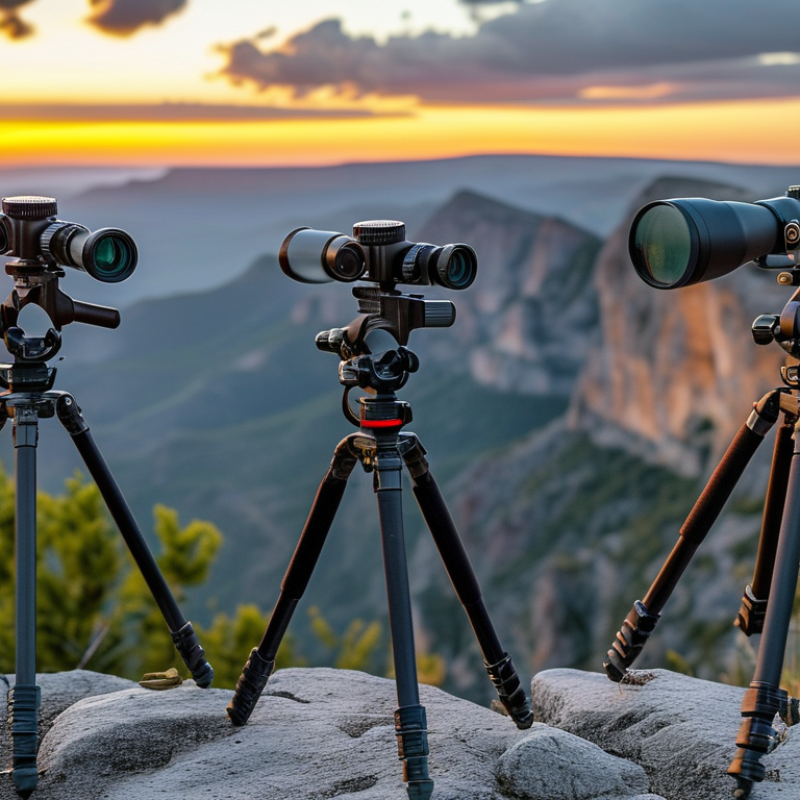
When selecting a spotting scope tripod, several crucial features come into play. First, stability is paramount. A sturdy tripod minimizes vibrations, allowing for clear viewing. Look for tripods made from durable materials like aluminum or carbon fiber. They provide the necessary strength while remaining lightweight for easy transport.
Height adjustability is another essential feature. A tripod should accommodate various heights to suit different viewing positions. Some people prefer lower settings for ground-level observations, while others may need taller settings for birdwatching. Additionally, consider the tripod's head type. A fluid head is ideal for smooth panning, especially during wildlife observation.
Weight capacity is also key. Ensure the tripod can support the weight of your spotting scope. Many tripods list a maximum load, and exceeding this may lead to instability. Don't overlook leg locks as well. Quick-release levers provide convenience but can sometimes fail under stress. It's wise to balance convenience with security when choosing a tripod.
2026 Top Spotting Scope Tripod Features Comparison
Understanding Various Tripod Types for Spotting Scopes
When selecting a tripod for your spotting scope, understanding the various types can greatly improve your outdoor experience.
Three primary tripod types to consider are the standard, compact, and table tripods. Standard tripods offer stability and height, making them ideal for long observations. Compact tripods are lightweight and portable, perfect for hiking. Table tripods, while smaller, can be useful in specific stationary settings.
Each style has its advantages and drawbacks. Standard tripods may be heavy for some users. A compact tripod might not provide the stability needed for high magnifications. Table tripods often limit your viewing angle. Knowing your needs will help you choose wisely.
It's essential to evaluate the materials used in tripod construction. Aluminum offers a good balance of strength and weight, while carbon fiber is lighter but can be more fragile. Check the locking mechanisms as well. They should operate smoothly. A poorly designed lock can lead to an unstable setup. Consider your surroundings when selecting a tripod type. Windy environments may require more robust options. Reflect on your past experiences with tripods to determine what features truly matter to you.
Key Specifications to Consider When Choosing a Tripod
When selecting a tripod for spotting scopes, several key specifications demand attention. Stability is paramount. A tripod must withstand wind and movement. Data from a recent industry report indicates that tripods with a weight capacity over 20 pounds often offer greater stability. This is crucial in variable terrains where unexpected gusts can occur. Carbon fiber models might be lightweight but ensure they don’t compromise sturdiness.
Height adjustment is another critical feature. Tripods typically range from 24 to 72 inches. Users often underestimate the importance of this range. The ability to adjust quickly can enhance the viewing experience, especially during prolonged use. Ergonomic design also contributes to comfort and usability. A tripod that is cumbersome may deter users from maximizing their spotting experiences.
Compatibility with various spotting scopes cannot be ignored. Many tripods offer standard attachments, yet planners must ensure their design suits specific models. Failure to do this can lead to frustration. It’s worth reviewing user feedback on this aspect. In some cases, a recommended tripod may not perform as expected due to unanticipated compatibility issues. Balancing these features requires careful consideration.
2026 Top Spotting Scope Tripod Features and Buying Guide
| Feature |
Details |
| Material |
Aluminum Alloy / Carbon Fiber |
| Weight Capacity |
Up to 20 lbs (9 kg) |
| Height Range |
15 inches to 65 inches |
| Leg Lock Type |
Twist Lock / Flip Lock |
| Pan & Tilt Head |
Fluid Head for Smooth Movement |
| Compatibility |
Universal 1/4" Screw Mount |
| Carrying Case |
Included for Easy Transport |
| Price Range |
$50 - $300 |
How to Evaluate Stability and Durability in Spotting Scope Tripods
When evaluating stability in spotting scope tripods, consider the tripod's weight and build materials. A sturdy aluminum or carbon fiber frame provides necessary support. Lightweight tripods may struggle in windy conditions, causing blurred images. A robust design, while heavier, generally enhances stability. Look for wider bases; they offer increased balance, reducing the likelihood of tipping.
Durability is equally important. Check for weather-resistant features, such as rubber grips and sealed joints. These features protect against moisture and debris. After all, outdoor environments can be harsh. Pay special attention to the locking mechanisms. A secure lock means reduced movement, which is crucial for clear viewing.
Some models may include adjustable legs for uneven terrain. However, adjustment mechanisms can fail over time. Regular inspection and maintenance can mitigate this risk. As you assess your options, remember that the right tripod should enhance your experience, not hinder it. Finding a balance between weight, stability, and durability will elevate your spotting scope adventures.
Tips for Maintaining and Caring for Your Spotting Scope Tripod
Maintaining a spotting scope tripod is essential for the longevity and performance of your equipment. Regular cleaning is crucial. Dust and debris can accumulate, particularly in outdoor environments. A simple microfiber cloth will help remove fine particles. For more stubborn dirt, a mixture of water and mild soap is effective. The tripod's moving parts should be lubricated periodically to ensure smooth operation. Industry reports indicate that proper care can extend the life of a tripod by 30%.
Checks for stability are important. A wobbly tripod can affect your viewing experience. Make it a habit to inspect the legs and locks for any signs of wear. If a leg does not retract properly, it may require adjustment or replacement. According to user surveys, around 15% of tripod owners report issues related to instability that could be easily rectified with maintenance.
Lastly, storing your tripod appropriately cannot be overstated. Avoid placing it in extreme temperatures or humid conditions. This can damage the materials over time. Experts recommend using a protective case for transport when traveling. Many users overlook these simple practices, often leading to costly repairs or replacements. Regular care is not only about extending the life of your tripod but also about optimizing your outdoor experiences.