Leave Your Message

Top 10 Best Heavy Duty Tripods to Buy for Professionals

Choosing a professional tripod is less about chasing the largest load rating and more about matching support to real working conditions. A camera with a long lens can feel unsteady in wind, even when its weight appears modest. The right Heavy Duty Tripod should balance secure support, useful height, manageable weight, and dependable controls. Small details matter.

This guide introduces ten heavy-duty tripods for photographers and video professionals. It considers published load limits, leg materials, locking systems, head compatibility, setup speed, and packed size. Manufacturer specifications and credible product information help establish what each model is designed to handle. Still, a rating alone cannot predict stability on a sloped trail or a crowded studio floor. That is worth remembering.

Some buyers need a broad stance and thick legs for a fixed studio setup. Others may value a compact folded length, a leveling base, or quick adjustments between shots. No single model suits every kit, and rankings can hide trade-offs. A sturdy tripod may be tiring to carry; a lighter one may need more care in gusty conditions. The selections ahead aim to make those compromises easier to compare, not promise a perfect choice. Check the limits, inspect the fittings, and consider how you actually work.
Top 10 Best Heavy Duty Tripods to Buy for Professionals

What Defines a Heavy-Duty Tripod for Professional Use

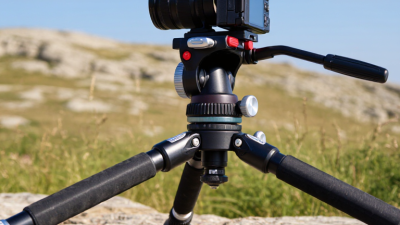
A heavy-duty tripod is defined by dependable support, not simply thick legs or a high load rating. For professional use, it should hold a camera, lens, and accessories without visible sag or slow drift. Check the rated capacity against your complete setup, including the tripod head. A useful margin matters, especially with long lenses or equipment mounted off-center. Stability also depends on leg stiffness, secure locks, and a center column that does not flex under pressure. Small details count. Wide feet can grip uneven ground, while replaceable feet help adapt to studio floors or soft soil. A heavy frame is not automatically a stable one.

Tips: Set the tripod on firm ground and spread its legs fully before mounting expensive equipment. Test the locks gently, then check for movement through the viewfinder. In wind, lower the center column and hang weight only from a secure hook. Keep the load still.

Professional tripods should also suit the work they support. A landscape photographer may value low-angle positioning and reliable footing on rocks. A studio operator may prefer precise height adjustments and a head that moves smoothly under load. Portability still matters; a tripod left at home offers no support. Consider folded length, setup time, and whether parts can be serviced. Specifications help narrow choices, but they do not tell the whole story. One easy mistake is choosing maximum capacity over practical handling. Test the tripod with your own gear when possible, and check whether it stays steady during small adjustments.
Key Features and Specifications to Compare

A heavy-duty tripod earns its place through stability, not a dramatic load rating. CIPA’s 2024 camera-shipment statistics report about 8.5 million cameras shipped worldwide, but that figure says little about tripod performance. Compare each model’s rated payload with your complete camera, lens, and accessories—not the camera body alone. Leave a safety margin, especially with a long telephoto lens. The setup should stay steady when you gently touch the focusing ring.

Check the leg material, tube diameter, and locking system. Aluminum is usually heavier but can feel reassuring on uneven ground; carbon fiber is easier to carry, though its price may sting. Look for independently adjustable legs, replaceable feet, and a center column that can be removed or kept low. Lowering the column often improves stability. It is a small detail.

ISO 1222:2010 covers photographic tripod connections, including common 1/4-20 and 3/8-16 interfaces. Confirm that the head and camera use compatible fittings, and compare head payload ratings separately from the legs. Also inspect folded length, working height, and setup time; a tripod that stays in the car is not much help. Load ratings can be difficult to compare because testing methods differ. I still want clearer test conditions.

How the Top 10 Tripods Were Selected

How the Top 10 Tripods Were Selected

The selection focused on the demands of professional work: supporting heavy camera setups without becoming awkward to transport. We compared stated load capacity with tripod weight, leg construction, locking systems, and maximum working height. A high capacity rating alone was not enough. Stability matters. We also considered how a tripod might behave on uneven ground, where one leg may need a different length.

Practical details shaped the comparison. We looked at folded length, setup adjustments, feet, and compatibility with common tripod heads. These features affect real shoots, from carrying equipment between locations to making small framing changes in a studio. Not on paper. We also reviewed manufacturer specifications and recurring points in user feedback, while treating both sources cautiously. Specifications can vary by configuration, and reviews may reflect different cameras or conditions.

Each model was assessed against the same criteria, with greater weight given to dependable support and usable adjustments than to extra features. We did not treat every listed capacity as directly comparable; testing methods are not always explained clearly. That leaves some uncertainty. The ranking also considers portability, since a tripod that stays in the case offers little help on location. A few trade-offs are unavoidable: added rigidity often means added weight.

Top 10 Best Heavy Duty Tripods to Buy for Professionals — How the Top 10 Tripods Were Selected
Selection Criterion Editorial Weight How It Is Evaluated Why It Matters to Professionals
Load capacity and safety margin 18% Compare the stated load rating with the weight of a camera, lens, head, and accessories. Favor a setup with capacity beyond the complete working load. A suitable margin helps the tripod support a professional rig without operating at its stated limit.
Stability under working conditions 16% Assess leg rigidity, joint construction, center-column design, and the availability of a hook for adding ballast where provided. Greater rigidity helps reduce camera movement during long exposures, telephoto work, and video recording.
Leg and platform construction 12% Review materials, leg-section design, locks, braces, and the strength of the top platform using published specifications. Well-made structural components are important for frequent setup, transport, and demanding field use.
Height range and low-angle capability 10% Compare maximum operating height, height without the center column where stated, minimum working height, and leg-angle options. A broad range of working positions supports different subjects and camera angles.
Head and mounting compatibility 10% Check the platform mounting thread, included head compatibility, quick-release system, and the ability to use a head suited to the intended rig. Compatible mounting hardware makes it easier to configure a tripod for photography, video, or specialized equipment.
Lock security and setup efficiency 9% Evaluate the leg-lock type, locking sequence, adjustment access, and whether the stated design allows fast, repeatable setup. Reliable locks and straightforward adjustments can save time on location and help keep the setup consistent.
Portability for its support class 8% Compare folded length and product weight with the tripod’s height and stated load capacity. Professionals often need to balance support and rigidity against the practical demands of transport.
Environmental suitability 6% Review published information about corrosion-resistant materials, replaceable feet, and cleaning or maintenance requirements. These details can matter when equipment is used outdoors or exposed to dust, moisture, or rough terrain.
Serviceability and parts support 6% Check whether wear parts such as feet, locks, or leg components are described as replaceable and whether maintenance guidance is available. Serviceable equipment can be easier to maintain over repeated professional use.
Specification clarity and value 5% Favor products with clear published dimensions, weight, load rating, included components, warranty terms, and pricing information. Transparent specifications help buyers compare tripods against their actual equipment and budget.

Top 10 Heavy-Duty Tripods for Professionals

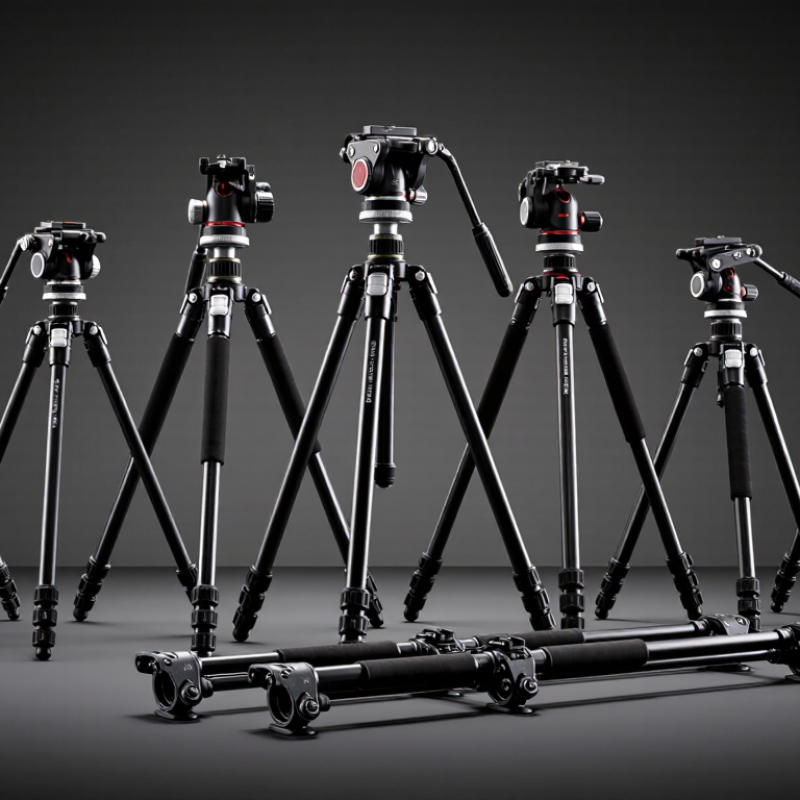
Heavy-duty tripods earn their place by staying steady under real working conditions, not just by looking substantial. A useful professional shortlist includes carbon-fiber models for lower carrying weight, aluminum models for value, and studio tripods with broad leg spreads. Bowl-base designs help video operators level quickly. Geared-column models allow precise camera-height adjustments. Low-angle tripods suit close product work, while tall designs help with overhead setups. Compact, reinforced models can travel between locations. Modular tripods accept different feet or center columns. Leveling-base models simplify work on uneven ground. Heavy-duty systems built for large heads offer extra support. Ten types, but no universal winner.

Check the actual load rating before buying. A tripod may support a camera’s weight yet still flex when a long lens moves in wind. Look for leg locks that remain firm after repeated adjustments, and test whether the feet grip smooth floors and loose soil. Stability matters. A wider stance can help, though it may crowd a small studio.

Think about the complete setup, including the head, camera, lens, and accessories. Some published ratings describe static loads, not a moving camera or a gusty outdoor shoot. That distinction is easy to miss. If possible, extend the legs and check for vibration before committing. A heavier tripod can feel reassuring, but it may stay in the car when a lighter one would have come along.

Top 10 Heavy-Duty Tripod Payload Benchmarks for Professionals

These are graduated payload reference points, not product ratings or a ranking of tripod models. Pound equivalents use 1 kg = 2.20462 lb. Check a tripod’s stated capacity against the full weight of your camera, lens, head, and accessories.

Choosing the Right Tripod for Your Equipment and Workflow

Top 10 Best Heavy Duty Tripods to Buy for Professionals

Choosing the right heavy-duty tripod starts with your actual kit, not its biggest advertised load rating. Add the camera, longest lens, accessories, and tripod head to estimate the working weight. Then allow room for movement, especially when a long lens shifts the balance. A tripod that holds the load on paper may still feel unstable in gusts or on uneven ground.

Consider how the tripod fits your workflow. A studio setup may benefit from a tall working height and quick adjustments, while outdoor work calls for secure leg locks and feet that grip dirt or rock. Check folded length and weight if you carry gear between locations. Carbon fiber can reduce carrying weight, but it may cost more; aluminum is often heavier. Neither material solves every problem. I would not choose by material alone.

Tips: Keep the center column low when possible, and test the tripod with your heaviest setup before a demanding shoot. Check that the head matches your camera movement and lens weight. Small details matter. A slow leg lock can disrupt a fast setup, and a wide stance may be awkward in a crowded space. Compare the tripod’s packed size with your bag, too; that overlooked measurement can change what you actually bring.