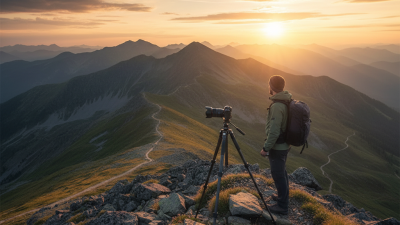
Choosing the best Heavy Duty Tripod is not simply a matter of selecting the largest model. It requires matching stability, payload, height, transport needs, and shooting conditions. A tripod that supports 20 kilograms may still perform poorly on a windy ridge. Its center column may introduce vibration. Its rubber feet may slip on polished concrete.
Industry data also shows why this decision deserves care. CIPA’s Camera and Imaging Products Market Data continues to track strong demand for interchangeable-lens cameras and professional imaging equipment. Research and Markets’ Camera Tripods Global Market Report identifies tripods as essential accessories for stability, long exposures, video production, and demanding fieldwork. These reports do not provide a perfect Heavy Duty Tripod buying formula. They do show a broader professional trend: imaging users expect stronger, more reliable support equipment.
Thom Hogan, a respected camera-industry writer and equipment specialist, has stated, “The tripod is the single most important accessory you can buy.” That principle remains practical, but it is not absolute. The heaviest tripod is not always the best choice. Weight affects travel, setup time, and daily use. A professional aluminum model may outperform a lighter carbon-fiber design in studio work. The reverse may happen outdoors.
This guide examines load ratings, leg locks, material choices, head compatibility, vibration control, and real-world portability. Specifications matter. Hands-on judgment matters more. Even experienced photographers can choose badly when marketing numbers replace field testing.
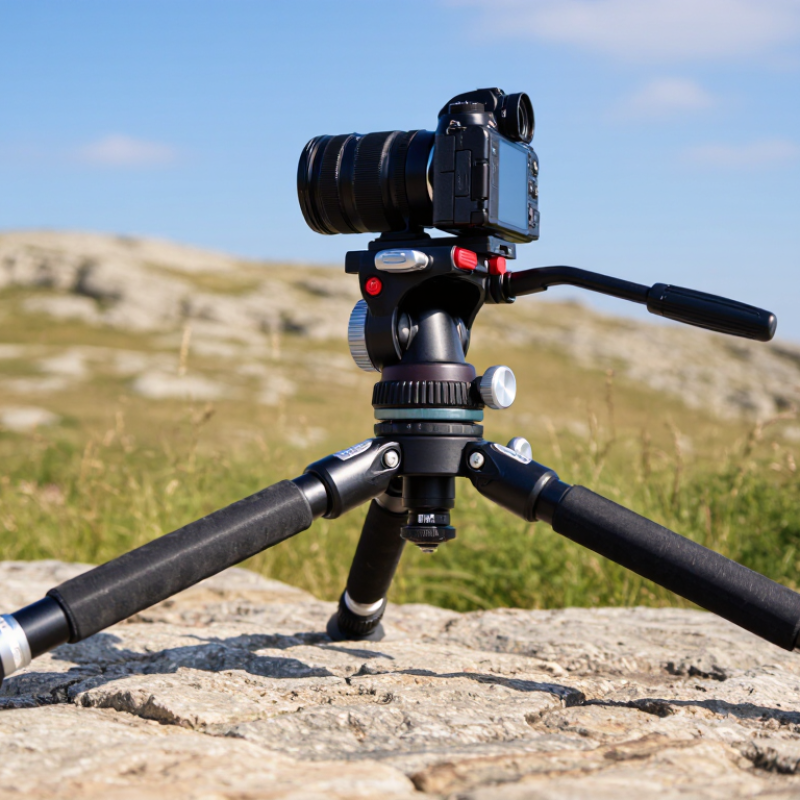
Choosing a heavy-duty tripod starts with the load, not the advertised maximum. Weigh the camera, lens, monitor, battery, cables, and mounting plate. Add movement. A pan or sudden stop can multiply stress beyond the static weight. For field surveying, include the instrument’s center of gravity and any offset arm. A 12-kilogram payload may behave like a heavier load when extended. Check the working load, not only the breaking load. The distinction matters. ISO 12100 risk-assessment principles favor identifying foreseeable misuse, including uneven setup and accidental impact. I would record the full configuration before purchase. Small omissions become expensive surprises.
Equipment determines the interface. A precision optical instrument needs low flex, secure locks, and repeatable height adjustment. A video head needs smooth damping and torsional resistance. Confirm thread size, platform width, leg-angle range, and replacement-part access. Then study the working conditions. On gravel, use broad feet; on polished floors, use non-slip pads. Wind is a real load. So is vibration from nearby vehicles. The U.S. Bureau of Labor Statistics recorded 865 fatal occupational injuries involving falls, slips, and trips in 2022. Stable setups deserve serious attention. Never rely on a fully extended center column near moving machinery. Test the tripod fully loaded, outdoors, and slightly imperfectly leveled. That last test may expose optimistic assumptions.
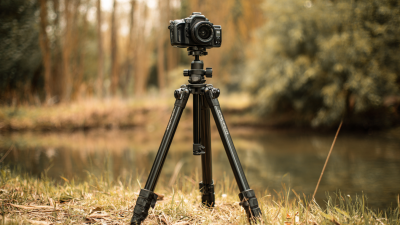
Choosing a heavy-duty tripod starts with materials, construction, and verified weight capacity. Aluminum offers strong impact resistance and usually costs less. Carbon fiber reduces vibration and carrying weight, but its performance varies by fiber grade and tube design.
Technical data from ASM International lists 6061-T6 aluminum at roughly 276 MPa yield strength. Carbon-fiber laminates can exceed 600 MPa in tensile strength, but they may fail suddenly after crushing or hidden impact. Materials alone do not guarantee stability. Check tube diameter, leg locks, center-column design, and joint tolerances. A thick tube with loose locks is still a weak system.
Capacity claims require careful reading. ISO 1222:2010 standardizes camera tripod socket dimensions, not complete tripod load ratings. Therefore, compare the manufacturer’s tested capacity with your camera, lens, head, and accessories combined. A practical field rule is choosing at least twice the total working load. Add more margin for wind, long lenses, or uneven ground. Wind changes everything.
The 2024 CIPA camera shipment report recorded more than eight million digital cameras shipped worldwide, showing continued demand for stable support equipment. Yet shipment data cannot prove tripod durability. I have seen “heavy-duty” legs flex under modest side pressure. That experience is easy to overlook. Test the tripod fully extended, press the center gently, and inspect whether the image framing shifts. Stability is felt before it is measured.
| Tripod Type | Primary Material | Typical Construction | Approx. Tripod Weight | Recommended Load Capacity | Stability | Portability | Best Use | Important Considerations |
|---|---|---|---|---|---|---|---|---|
| Aluminum Heavy-Duty Tripod | Aluminum alloy tubing | Thick-walled, multi-section legs with reinforced joints and a metal center column | 2.0–3.5 kg | 8–15 kg | ★★★★★ | ★★★☆☆ | Studio cameras, spotting scopes, surveying equipment, and long lenses | Strong and comparatively affordable, but heavier than carbon fiber and more likely to transmit vibration in cold or windy conditions. |
| Carbon-Fiber Heavy-Duty Tripod | Layered carbon-fiber composite | Large-diameter legs with bonded composite tubes, reinforced clamps, and a metal or composite apex | 1.5–2.8 kg | 8–20 kg | ★★★★★ | ★★★★☆ | Outdoor photography, video production, wildlife observation, and travel with heavy equipment | Provides a high strength-to-weight ratio and reduces heat transfer, but usually costs more and can be damaged by severe impact or crushing. |
| Steel Tripod | Steel tubing and cast or machined steel components | Very thick tubes, braced legs, large locking mechanisms, and a low center of gravity | 4.0–8.0 kg | 15–30 kg | ★★★★★ | ★☆☆☆☆ | Permanent studio setups, industrial cameras, laser levels, and high-load instruments | Offers excellent rigidity and impact resistance, but its weight makes it unsuitable when equipment must be carried over long distances. |
| Wooden Field Tripod | Seasoned hardwood or laminated wood | Wide-section legs with mechanical hinges, metal fittings, and limited or no center column | 3.0–6.0 kg | 10–25 kg | ★★★★☆ | ★★☆☆☆ | Surveying, geodetic instruments, and applications requiring natural vibration damping | Wood can damp high-frequency vibration effectively, but moisture, temperature changes, and maintenance can affect dimensional stability. |
| Hybrid Aluminum-Carbon Tripod | Carbon-fiber legs with aluminum apex, clamps, and hardware | Composite leg tubes combined with reinforced metal joints and replaceable locking parts | 1.8–3.2 kg | 8–18 kg | ★★★★★ | ★★★★☆ | Professional field work where low weight and durable hardware are both important | Balances portability, rigidity, and serviceability; actual performance depends heavily on tube diameter and joint quality. |
| Compact Reinforced Tripod | Aluminum alloy or carbon-fiber composite | Shorter legs, compact folded length, three or four leg sections, and reinforced mounting platform | 1.0–2.0 kg | 4–10 kg | ★★★☆☆ | ★★★★★ | Portable lighting, mirrorless cameras, compact video rigs, and field monitoring | Easy to transport, but shorter legs and smaller tube diameters generally provide less torsional stiffness than full-size heavy-duty models. |
| Industrial Survey Tripod | Aluminum, wood, or composite material | Wide stance, adjustable spreader, positive leg locks, and a flat or threaded instrument mount | 2.5–6.0 kg | 10–25 kg | ★★★★★ | ★★☆☆☆ | Levels, theodolites, total stations, laser scanners, and precision measurement equipment | Prioritizes repeatable positioning and torsional stability; verify the mounting thread, platform size, and leveling range before purchase. |
| Video Tripod with Fluid Head | Aluminum or carbon-fiber legs with a metal fluid head | Two-stage or three-stage legs, bowl mount, spreader system, and counterbalanced fluid head | 3.0–7.0 kg including head | 6–15 kg including camera accessories | ★★★★★ | ★★☆☆☆ | Professional video cameras, cinema rigs, teleprompters, and long-duration recording | Choose a head whose counterbalance and payload range match the fully assembled camera, lens, battery, monitor, and accessories. |
Choosing the best heavy-duty tripod starts with its usable height range. Measure your working position, not just the maximum specification. A camera placed too low may force uncomfortable bending. A fully extended center column can also reduce stability. I prefer a tripod that reaches eye level with its legs partly extended.
Stability depends on more than weight. A wide stance, thick leg sections, and a rigid mounting platform help control vibration. Test the tripod with your heaviest camera setup attached. Press gently on the platform and watch how quickly it settles. A slight movement is normal, but repeated bouncing suggests weak damping. In windy locations, a low hanging weight can help, although it may swing and create new movement.
Leg adjustment systems deserve careful inspection. Twist locks are clean and quick, while lever locks provide visible confirmation. Choose the system you can operate with cold or wet hands. Each leg should spread smoothly and lock firmly at several angles. I once selected a tripod with impressive height but awkward lower locks. It looked capable in the store. Field use proved otherwise. That mistake taught me to test every latch, not just read the load rating. Check whether sand can enter the joints, and listen for uneven clicks. Small resistance may become serious after repeated setup. A tripod should adapt to uneven ground without making you fight it.
Compare height range, load stability, and leg adjustment efficiency across three common heavy-duty tripod configurations. The scores are based on representative engineering benchmarks rather than any specific brand or company.
A compact field tripod is easier to transport and usually offers faster leg deployment. A standard field tripod provides a balanced combination of working height and stability, while a tall studio tripod delivers the greatest height and load capacity but typically requires more time to position. For demanding equipment, prioritize the highest stability score that still meets your required height range and adjustment speed.
Choosing the best heavy duty tripod starts with the head, not the legs. In field testing, a strong tripod felt unstable when its head was undersized. Match the head to your camera, lens, and working style. A fluid head supports controlled video movement and smoother pans. A geared head suits careful architectural or studio adjustments. A ball head offers speed, but it can shift during heavy tilts. Check the stated load rating, then stay below it for safer handling. Ratings are useful, not absolute.
The mounting interface deserves equal attention. A compatible quick-release plate saves time, especially with gloves or cold fingers. Look for a secure locking mechanism and a visible safety stop. A standard threaded socket improves compatibility with accessories. Before buying, measure the plate area beneath your camera or field device. A narrow plate may twist under torque. I once ignored this detail and spent more time correcting alignment than shooting. That mistake still influences my checklist.
Essential features depend on the terrain. A center column can add height, but it may reduce rigidity when fully extended. Independent leg angles help on stairs, rocks, and uneven floors. Wide rubber feet improve grip indoors, while removable spikes may suit soft ground where permitted. Check hinge tension, leg locks, packed length, and total weight. Carrying comfort matters after an hour. Test every control with your actual equipment. Small gaps in fit often become large problems outside.
A heavy duty tripod should support your equipment without becoming a burden.
Portability matters more than many buyers expect. Check the folded length, total weight, and carrying handle before purchase. A tripod that stays in your vehicle may be sturdy, but it will not help during long outdoor shoots. I once chose a model with excellent stability but disliked carrying it after only one event.
Durability depends on more than thick legs. Inspect the leg locks, hinges, feet, and center column for solid construction. Metal parts often tolerate repeated adjustments, while sealed joints can resist dust and light moisture. Always compare the manufacturer’s load rating with your complete setup, including lenses, lights, and accessories. Leave extra capacity. Rated limits are not comfort limits. Compatibility also deserves careful checking. Confirm the mounting screw, plate system, leg angles, and working height. Your camera should attach securely and release smoothly.
Tips: Test the tripod before buying, if possible. Extend each leg, lock it, and press gently from different directions. Listen for slipping or loose joints. Check whether spare parts and maintenance guidance are available. A lower price may seem attractive, but difficult repairs can reduce its real value. Consider transport, stability, compatibility, and long-term service together. My own mistake was focusing on initial cost and ignoring replacement feet. That decision looked economical, briefly.