10 Best Lightweight Tripods for Travel in 2026
Travel photography has grown alongside global mobility. UN Tourism’s January 2025 World Tourism Barometer estimated 1.4 billion international tourist arrivals in 2024, nearly matching 2019 levels. CIPA’s 2024 camera shipment statistics also document continued worldwide demand for dedicated cameras. Together, these reports point to a practical challenge: travelers want sharp images without hauling a studio’s worth of gear. A Lightweight Tripod can help with twilight city scenes, group portraits, and steady video, but low weight alone does not make a tripod travel-ready.
This guide compares ten options for trips in 2026, focusing on packed size, weight, leg locks, setup time, and rated load capacity. Those details matter when a folded tripod must fit beside a jacket, or when a breeze catches it on a coastal overlook. Stability matters, too. A tiny tabletop model may be easy to pack but awkward on uneven ground; a taller model may feel reassuring yet consume precious luggage space. Airline baggage policies vary, so check your carrier’s current rules before departure. No spec sheet can fully predict handling in the field. And honestly, “lightweight” is not a promise of effortless use. The right choice depends on your camera, lens, shooting style, and tolerance for compromise. We’ll highlight those trade-offs so you can choose with clearer expectations, not just the lowest number on a product page.
How Lightweight Travel Tripods Are Defined in 2026
In 2026, “lightweight” has no universally accepted tripod-industry definition. For this guide, it means a complete setup weighing no more than 1.5 kilograms, including the head and plate. That cutoff is an editorial benchmark, not an official standard. We also favor folded lengths near 45 centimeters, which fit more easily beside clothing in many travel bags. Check dimensions carefully. A compact tripod can still feel bulky when its legs catch on a backpack zipper.
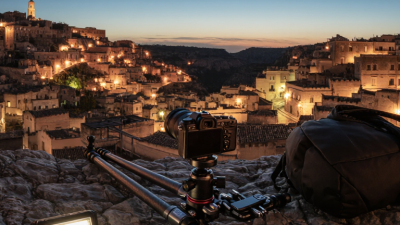
Portability matters as travel rebounds: UN Tourism’s January 2025 World Tourism Barometer estimated 1.4 billion international tourist arrivals in 2024, about 99 percent of 2019 levels. The figure describes tourism, not tripod demand, but it helps explain why packability deserves attention. In practice, weight alone misses important trade-offs. A narrow leg section may wobble in gusts; a small head may frustrate careful framing. On a stone overlook, even a light tripod needs a stable stance. One awkward compromise remains: sturdier models often add weight, while ultra-compact designs can feel less reassuring with a camera mounted. Compare the full packed kit, not just the legs, and treat any cutoff as a starting point.
10 Best Lightweight Tripods for Travel in 2026
How Lightweight Travel Tripods Are Defined in 2026
There is no universal industry cutoff for a “lightweight” travel tripod. These editorial benchmarks use tripod weight as a quick guide: up to 1.0 kg (2.2 lb) is ultra-light, up to 1.5 kg (3.3 lb) is light, and up to 2.0 kg (4.4 lb) is a travel-balanced target. Consider packed size, stability, and load capacity alongside weight.
Key Features to Compare When Choosing a Travel Tripod
A travel tripod should fit the way you actually travel, not just look light on a product page.
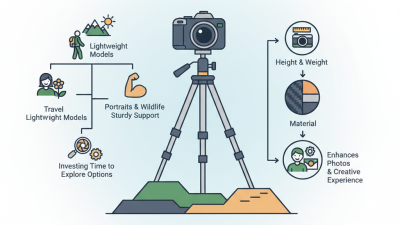
Compare its folded length and weight with your packed camera gear. A tripod that clips neatly to a daypack can still feel awkward on crowded trains. Every ounce matters on a long walk. But the lightest option may shake when a breeze catches a raised camera.
Check the rated load against your camera, lens, and tripod head together. Leave some margin, especially with a long lens. A high load rating alone does not guarantee steady framing. Look at leg locks, too: twist locks pack smoothly, while flip locks are often easier to inspect quickly. Try imagining both with cold fingers. Small details count.
Consider the working height and center column. Raising a column can help over a railing, but it may make the setup less stable. Independent leg angles are useful on uneven stone steps or a sloped trail. Rubber feet grip indoor floors; spikes can help on soft ground, if included. Check whether the head allows quick portrait orientation and smooth adjustments. There is no perfect travel tripod. A compact model may require bending low, and that trade-off is easy to underestimate before a full day outside.
Overview of 10 Lightweight Travel Tripods for 2026
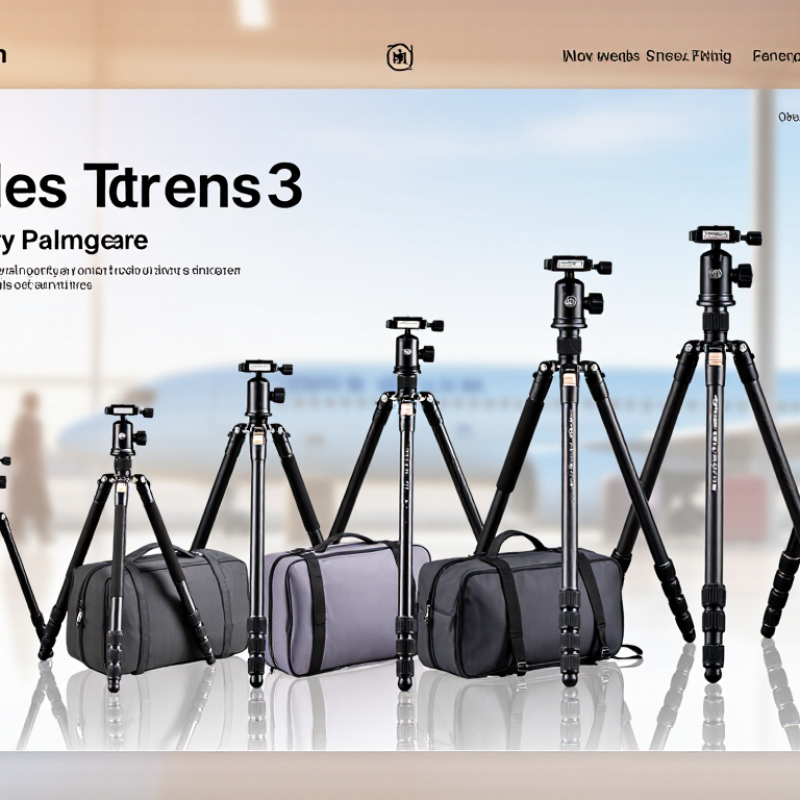
This overview compares ten lightweight travel tripods by packed length, carrying weight, load rating, leg-lock design, and ease of setup. These details matter on a narrow train platform or beside a windy overlook, where a tripod must be quick to position and steady enough for a longer exposure. A light tripod is not automatically stable. Small feet and a raised center column can make a compact model less dependable on uneven ground.
The travel context is substantial. UN Tourism reported 1.4 billion international tourist arrivals in 2024, reaching 99% of 2019 levels. CIPA reported about 8.49 million digital-camera shipments worldwide in 2024. Camera shipments do not measure tripod demand, but they offer useful context for photographers carrying dedicated equipment. For this comparison, match each tripod’s rated load to the full camera setup, including lens and head, rather than the camera body alone.
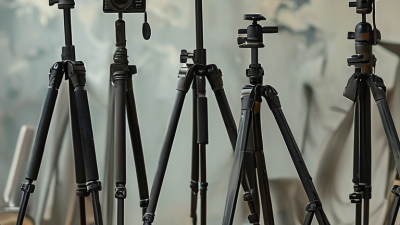
The ten options span ultracompact models for day bags, sturdier aluminum designs for general use, and lighter carbon-fiber choices for frequent walking. Check folded length against your backpack, then consider whether the leg angles let you work close to the ground. Twist locks can be fast, but cold fingers may find them fiddly. A center column adds height, yet lowering it often improves stability. Manufacturer load ratings are not perfectly comparable, so treat them as guidance, not a guarantee.
How the Top Tripods Suit Different Travel Photography Needs
Travel photographers rarely need the same tripod. A city walker may prefer a compact model that fits beside a water bottle, while a landscape photographer needs steadier legs for long exposures before sunrise. For crowded streets, a quick-locking center column saves time when light changes fast. That matters. But a tiny folded size can mean a lower working height, so check whether you’ll be crouching for every frame.
For mountain trails, an ultralight tripod reduces pack fatigue, though thin legs can wobble on exposed ridges. A hook beneath the center column can hold a small bag for extra stability; keep it from swinging in gusts. Beach photographers benefit from leg locks that are easy to rinse and clear of sand. Not always glamorous. Still, grit in a lock can turn a quick setup into a frustrating pause.
Portrait and food photographers may value a reversible center column or a low-angle option more than extreme height. Travelers shooting panoramas should look for a head that moves smoothly and locks firmly, while video makers need controlled motion rather than the lightest possible frame. Before a trip, test the tripod with your actual camera and lens on uneven ground. I’ve found that a few extra seconds of setup can be worth more than saving a handful of grams.
How to Pack, Set Up, and Maintain a Travel Tripod
Packing a travel tripod well starts before it enters your bag. Collapse the legs and lock each section, then check that the head is secure. I place it beside the pack’s frame, with a soft layer between metal parts and camera gear. Keep quick-release plates and small tools in a zipped pocket; they are easy to lose. If the tripod rides outside, use two straps, not one. I learned that awkwardly.
At your location, extend the thickest leg sections first and plant the feet on firm ground. On gravel or damp soil, press each foot down gently and test for movement before mounting a camera. Keep the center column low whenever possible; raising it can make a lightweight setup wobble in wind. On a slope, point one leg downhill and keep a hand near the camera until the head is tight. Small adjustments matter.
After use, wipe grit and moisture from the legs with a clean cloth, especially around twist locks and hinges. Let damp parts dry fully before folding them away. Avoid forcing a stuck section; rinse only if the maker’s care instructions allow it, then dry carefully. Check screws and feet now and then, since travel knocks can loosen them. I sometimes skip this check when tired. That is when a loose foot tends to show up.
10 Best Lightweight Tripods for Travel in 2026 - How to Pack, Set Up, and Maintain a Travel Tripod
A practical comparison of common travel-tripod types. Specification ranges are typical examples, not guarantees; check the individual tripod’s published specifications before buying.
| Travel Tripod Type |
Typical Weight |
Typical Folded Length |
Typical Max. Height |
Typical Payload Range |
Best Suited To |
Packing, Setup & Care Tip |
| Compact carbon-fiber travel tripod |
0.9–1.4 kg |
35–45 cm |
125–155 cm |
6–10 kg |
General travel photography with a small camera kit. |
Pack the head securely; extend the thicker leg sections first and wipe dust from the leg locks after use. |
| Aluminum travel tripod |
1.3–1.9 kg |
38–50 cm |
135–165 cm |
6–12 kg |
Travelers prioritizing value and everyday versatility. |
Allow wet legs to dry before storage; check that all leg locks are tight before mounting a camera. |
| Ultralight compact tripod |
0.6–1.0 kg |
30–40 cm |
95–130 cm |
2–5 kg |
Phone, compact camera, or lightweight mirrorless setups. |
Keep the center column low when possible; avoid leaning on the tripod or using it in strong gusts. |
| Short-folding reverse-leg tripod |
1.0–1.6 kg |
32–42 cm |
120–160 cm |
5–10 kg |
Carry-on bags with limited length or space. |
Fold the legs around the head for packing, then unfold and lock each leg before setting up. |
| Travel tripod with a center-column hook |
1.1–1.7 kg |
36–48 cm |
130–165 cm |
5–10 kg |
Long exposures where a little extra stability is useful. |
If conditions allow, hang a light bag from the hook without letting it swing or touch the ground. |
| Travel tripod with a short center column |
1.0–1.6 kg |
35–47 cm |
125–160 cm |
5–10 kg |
Low-angle scenes and close-up compositions. |
Spread the legs evenly on firm ground; keep fingers clear of hinges when changing leg angles. |
| Travel tripod with a removable monopod leg |
1.2–1.8 kg |
38–52 cm |
135–170 cm |
5–10 kg |
Trips involving both static scenes and moving subjects. |
Store the removed leg safely; recheck its connection before using the tripod configuration. |
| Travel tripod with a ball head |
1.0–1.7 kg |
35–48 cm |
125–165 cm |
5–10 kg |
Fast framing changes and straightforward landscape shooting. |
Level the camera before tightening the main knob; keep grit away from the head’s moving surfaces. |
| Travel tripod with a compact pan-and-tilt head |
1.3–2.0 kg |
40–52 cm |
135–170 cm |
5–10 kg |
Careful adjustments and controlled horizontal panning. |
Pack the handles so they cannot catch on other gear; tighten each axis before letting go of the camera. |
| Tabletop travel tripod |
0.1–0.5 kg |
15–25 cm |
10–30 cm |
1–3 kg |
Desk-level shots, compact cameras, and phone photography. |
Place it on a stable, level surface and confirm that the camera is within the stated load limit. |
General travel care: Keep the tripod secured in your bag, protect the head from impact, and follow the maker’s cleaning instructions. After exposure to sand, salt, or mud, remove loose debris and clean and dry the legs before storage. Payload ratings are not standardized across all manufacturers, so allow a safety margin for your camera, lens, and accessories.