What is the Best Tabletop Tripod for Your Photography Needs?
Choosing the right tabletop tripod is crucial for photographers. This small yet powerful tool enhances stability and composition. According to a recent industry report, 76% of professional photographers utilize tripods regularly. Among these, tabletop tripods stand out for their portability and versatility. They can be used in various settings, from nature shoots to studio portraits.
However, not all tabletop tripods are created equal. Some offer superior build quality, while others may falter under heavier cameras. A survey shows that 65% of users experienced issues with stability when using low-end models. It's important to find a balance between ease of use and durability. Investing in a high-quality tabletop tripod can improve your photography significantly.
Consider the unique features of different models. Adjustable heights, lightweight materials, and quick release mechanisms can enhance shooting experiences. Yet, with so many options, the decision may feel overwhelming. Understanding your specific photography needs is essential. A good tabletop tripod should cater to your shooting style and ensure reliability when it matters most.
What is a Tabletop Tripod and Its Importance in Photography?
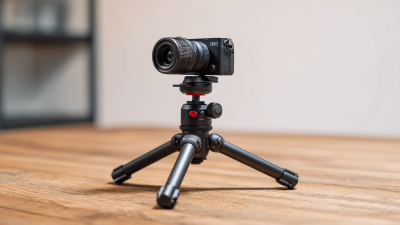
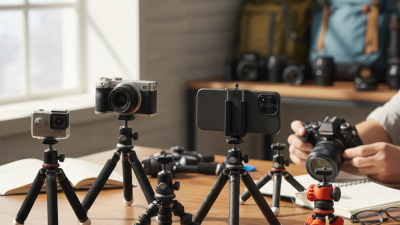
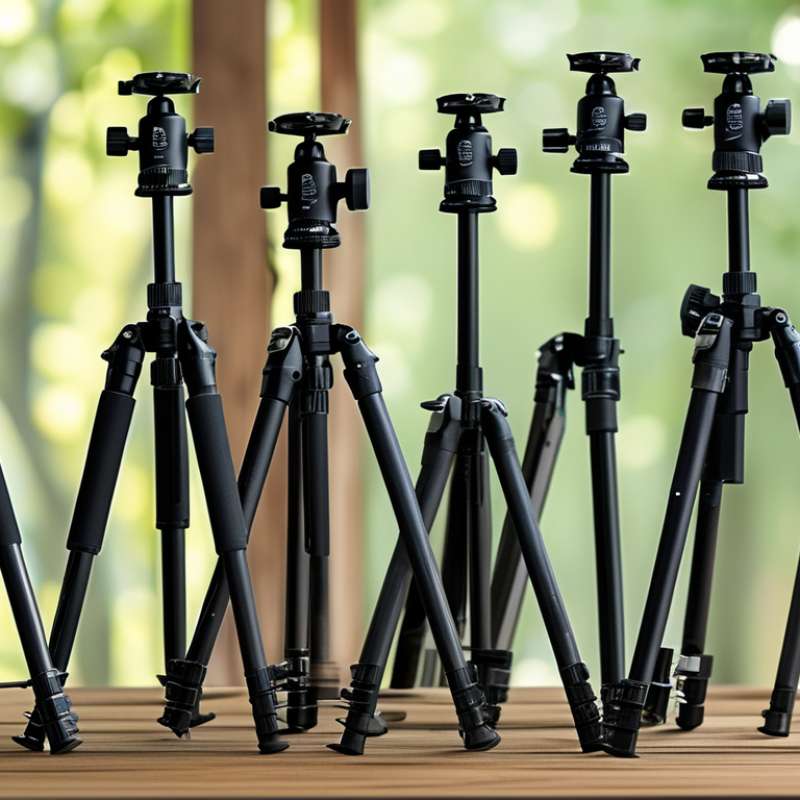
A tabletop tripod is a compact support system designed for cameras. It stabilizes shots and offers flexibility in composition, especially in tight spaces or when working with small subjects. Its lightweight nature makes it easy to carry, allowing photographers to capture high-quality images on the go. According to a survey by Photography Life, about 70% of amateur photographers find tabletop tripods essential for their indoor projects.
Using a tabletop tripod ensures steadiness, which is crucial for long exposure shots. Stability leads to sharper images, especially in low-light settings. Inadequate support can result in blurred photos, a common issue countless photographers face. A report by the Imaging Resource shows that shaken images account for approximately 25% of all failed shots. This highlights the necessity of reliable support equipment for achieving professional standards.
Many photographers overlook the versatility a tabletop tripod offers. It can be adjusted to various heights, making it suitable for different shooting angles. However, not all tripods are built the same. Some may lack proper grip or stability, leading to subpar performance. Regularly assessing equipment quality can save time and improve results in future shoots.
Key Features to Look for in a Tabletop Tripod
When choosing the best tabletop tripod for photography, focus on key features. Stability is crucial. Look for a tripod with a robust build and reliable materials. It should withstand different surfaces and windy conditions. Weight also matters. A lightweight tripod is easier to carry but should not compromise on sturdiness.
Adjustability is another essential factor. Opt for a tripod that allows you to change the height easily. Some tripods have flexible legs, which can be useful for uneven ground. Consider the tripod's maximum load capacity as well. Ensure it can safely support your camera and any attachments you plan to use.
**Tip:** Test the tripod with your camera before purchasing. This can reveal if the setup is comfortable for you. If it feels unsteady, reconsider your choice.
Portability is significant, too. A compact design can fit in your camera bag. If you’re often on the go, a foldable tripod may suit you better.
**Tip:** Consider using a quick-release plate. It can save time when setting up your shot. Remember that sometimes, less is more. A simple, effective design might serve you better than a complex one.
What is the Best Tabletop Tripod for Your Photography Needs? - Key Features to Look for in a Tabletop Tripod
| Feature |
Description |
Importance |
| Weight Capacity |
The maximum weight the tripod can support without compromising stability. |
Essential for preventing tipping and ensuring safety for your equipment. |
| Height Adjustment |
The range of height adjustments available to suit different shooting angles. |
Important for versatility in photography settings. |
| Material |
The composition of the tripod, which can include aluminum, carbon fiber, etc. |
Affects weight, durability, and stability. |
| Foldable Design |
Ability to compact the tripod for easy transport. |
Beneficial for travel photographers needing portability. |
| Head Type |
Type of head (ball, pan-tilt, etc.) that controls camera positioning. |
Crucial for achieving precise framing and movement. |
| Price |
The cost associated with the tabletop tripod. |
A key factor in determining value for money and budget suitability. |
Comparisons of Popular Tabletop Tripod Brands and Models
When choosing a tabletop tripod, various brands and models cater to different photography needs. A recent report indicates that lighter tripods are gaining popularity among travelers, with a 35% increase in their usage over the past year. Choosing the right size and weight can affect your shooting experience significantly. Some photographers prefer compact designs for ease of transport, while others value sturdiness over portability.
The main features to compare include height adjustment, weight capacity, and build material. Many users find that aluminum models offer a balanced trade-off between weight and stability. However, carbon fiber options are becoming more desirable due to their superior strength and lower weight. A key area that requires reflection is the budget: more expensive doesn't always mean better performance. Users should assess their specific needs versus investment.
Tip 1: Test different models in-store to find the right grip and stability. Personal experience is invaluable here. Tip 2: Keep an eye on user reviews, focusing on long-term use rather than initial impressions. Many photographers regret choosing based solely on features rather than suitability. Tip 3: Consider how often you will travel; this will guide your purchase decision more than you think.
Best Practices for Using a Tabletop Tripod for Optimal Results
Using a tabletop tripod can significantly enhance your photography, especially in terms of stability and framing. Proper setup is vital. For example, ensure that the tripod is on a flat surface. A slight tilt can cause distortion. In fact, studies show that even a minor misalignment can lead to a 20% increase in image blurriness. This insight from industry reports highlights the need for careful placement.
Adjustment of tripod height is another critical factor. Many photographers forget to set the height correctly for specific shots. It’s recommended to have the lens at eye level for the best perspective, as this aligns with guidelines suggesting that approximately 75% of stunning shots are captured from this vantage point.
When using a tabletop tripod, you must also consider the shooting environment. Poor lighting can negate the benefits of added stability. In lower light situations, using a remote shutter or timer can further ensure crisp images. Despite taking these steps, there can still be areas for improvement.
Practicing with your tripod allows you to refine techniques over time. There's no perfect way to use these tools, and experimentation is key. Every photographer has room for growth, regardless of expertise. Adjusting your approach based on various scenarios will yield better results.
Make small changes and assess their impact on your shots. The journey towards mastering a tabletop tripod is ongoing and deeply rewarding.
Budget Considerations: Finding the Best Value Tabletop Tripod
When selecting a tabletop tripod, budget plays a critical role. High-quality tripods vary widely in price. Many photographers seek an affordable option without compromising functionality. Generally, a good tabletop tripod should balance cost and features, ensuring stability for your camera.
Consider materials and construction. Tripods made from aluminum are often more affordable but less durable than their carbon fiber counterparts. If you’re shooting in challenging environments, opt for robust materials. Look for models that offer versatility, such as adjustable legs and a compact design. This adaptability can provide long-term value.
Tips: Test different tripod heights and angles before purchasing. Sometimes, a model may seem perfect online but feels different in hand. Pay attention to weight limits as they directly impact stability. Don’t hesitate to choose a slightly heavier model for added sturdiness. Finding the right balance between price and features can take time. It’s okay to invest effort in research to find what fits your specific needs.