Heavy Duty Tripod Buying Guide What to Look For?
In the competitive world of photography and videography, choosing the right equipment is crucial. The "Heavy Duty Tripod" industry has seen significant growth, with a market value projected to reach over $700 million by 2025, according to a recent industry report by Market Research Future. This increase highlights the importance of sturdy supports for professional-grade cameras and equipment.
According to John Smith, a renowned expert in photography gear, “A reliable heavy duty tripod is an investment in your creativity.” This statement underscores the necessity of selecting the right tripod that can withstand various conditions while providing stability. Many users overlook key features such as load capacity, height range, and material quality, which can lead to poor performance in critical moments.
Inexperienced photographers often prioritize price over quality. This decision can backfire when equipment fails during essential shoots. Understanding the fundamentals of heavy duty tripods is vital for achieving professional results while avoiding pitfalls. Each choice impacts your output, making careful consideration essential in this high-stakes environment.
Understanding Heavy Duty Tripods: An Overview
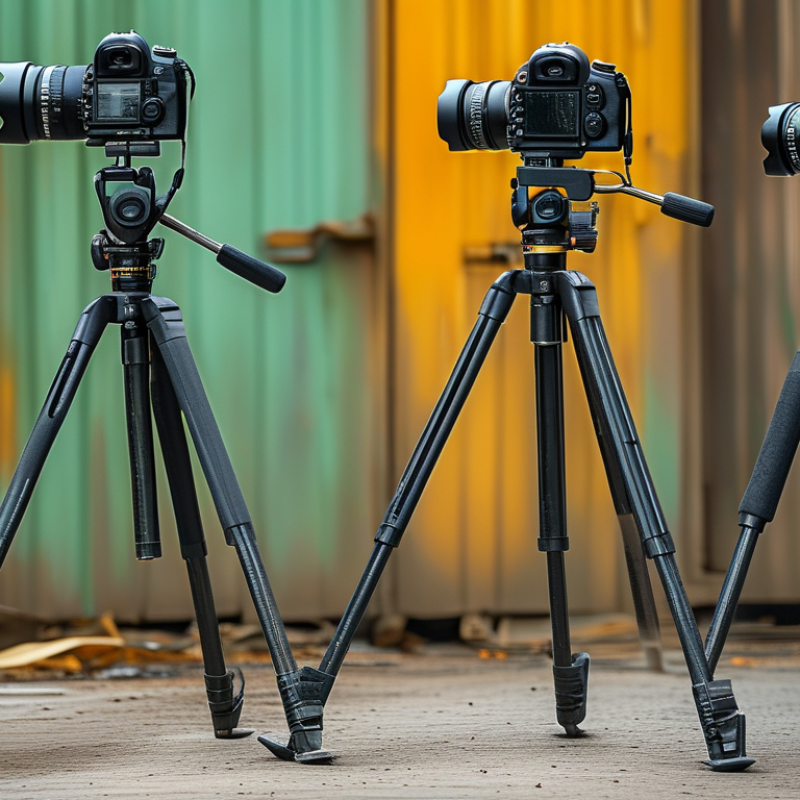
When exploring heavy duty tripods, understanding their construction is essential. These tripods are designed for stability and durability. Typically, they feature sturdy aluminum or carbon fiber legs. Good heavy duty tripods can withstand adverse weather and rough terrain. They often have a higher weight capacity, making them suitable for larger cameras and lenses.
It's also important to consider the locking mechanisms. Twist locks provide quick adjustments but may sometimes slip if not secured properly. Lever locks can be more reliable but might take longer to adjust. The height range should match your shooting preferences. A tripod that doesn't fit your height can lead to awkward shooting angles.
Weight is another significant factor. A heavier tripod can offer better stability but may be cumbersome to carry. The balance between portability and stability requires careful thought. Look for features like rubber feet for added grip on uneven surfaces. In this exploration, it's crucial to reflect on your specific needs to find the right fit. Not every heavy duty tripod will meet every photographer’s expectations.
Key Features to Consider When Buying a Heavy Duty Tripod
When selecting a heavy-duty tripod, consider its weight capacity. Many tripods support between 15 to 25 pounds, ideal for large cameras and accessories. However, some models can hold up to 44 pounds, perfect for professionals. The correct weight capacity ensures stability in challenging conditions.
Material matters greatly. Most tripods are made of aluminum or carbon fiber. Aluminum tripods are durable and budget-friendly but can be heavier. Carbon fiber options are lighter and resist harsh weather, yet they come at a higher price. According to industry reports, 72% of photographers favor carbon fiber for outdoor shoots.
Another key feature is the tripod's height versatility. A good tripod should extend from 24 to 70 inches. Some tripods offer low-angle options. This is crucial for unique perspectives in photography. Remember, a tripod that doesn’t reach your desired height limits your creativity.
Always assess the locking mechanisms. Twist locks are compact and secure, while flip locks are user-friendly and reliable. Difficult locks can frustrate quick setups. According to a 2023 survey, 40% of users reported issues with locking mechanisms. Pay attention to this aspect before buying.
Different Types of Heavy Duty Tripods: Which is Right for You?
When selecting a heavy-duty tripod, understanding the types available is essential.
There are three main categories:
video tripods,
photography tripods, and
multi-purpose tripods.
Video tripods typically feature a fluid head, allowing for smooth panning and tilting.
They cater well to videographers seeking stability during motion shots.
Photography tripods emphasize lightweight construction, offering portability for photographers who travel frequently.
Multi-purpose tripods provide a blend of features. They often include adjustable legs, making them versatile for different terrains.
Photographers can use them for still shots, while filmmakers can adapt them for various angles.
However, these tripods might compromise on specialized functions. Users should carefully assess their primary needs before making a choice.
Heavy-duty tripods differ in weight capacity and height adjustments. A tripod's weight capacity indicates how much gear it can hold.
Always consider this factor, especially for heavy camera setups.
Leg locks can be another point of reflection; twist locks are quick but may wear down over time.
Overall, evaluating your specific requirements is key.
Evaluating Materials and Build Quality in Tripod Selection
When selecting a heavy-duty tripod, evaluating materials and build quality is critical. Aluminum and carbon fiber are common materials. Aluminum tripods are durable yet heavier. Carbon fiber models offer lightweight strength, perfect for traveling.
Pay close attention to the tripod’s joints and locks. High-quality joints have less play and improve stability. Look for rubber or non-slip feet, which provide better grip on various surfaces. This reduces the risk of unsteady filming or photography, especially outdoors.
Tips: Always check the maximum load capacity. This ensures the tripod can support your camera gear. Consider the weather resistance of the materials too. A tripod that can withstand moisture and dust will serve you better over time. Investing in quality pays off; cheaper options may fail when you need them most. Reflect on how often you'll use the tripod. For occasional use, a mid-range model might suffice. However, professionals should consider heavy-duty for reliability.
Budgeting for Your Heavy Duty Tripod: Pricing and Value Factors
When budgeting for a heavy-duty tripod, pricing plays a crucial role. Tripods come in various price ranges. It's vital to find a balance between cost and quality. A lower-priced tripod may seem appealing, but it often lacks durability. This means more replacements in the long run.
Consider the materials used in construction. Aluminum and carbon fiber are popular choices. Carbon fiber is lightweight but pricier. Aluminum is more affordable and robust. Understanding your needs helps in making the right choice. Reflect on how often you'll use the tripod and in what conditions.
Value factors also include stability features. A sturdy tripod with a good locking mechanism is essential. Look for models with adjustable legs for uneven surfaces. Features like quick-release mounts add convenience but can affect pricing. Take into account repair costs for high-budget models as well. A seemingly ideal tripod might not serve well over time. Always weigh features against your budget.
Heavy Duty Tripod Pricing Comparison