How to Choose the Right Professional Tripod for Your Photography Needs?
Choosing the right Professional Tripod can significantly impact your photography experience. Expert photographer John Smith emphasizes, "The right tripod is your best ally in capturing stunning images." When selecting a tripod, one must consider balance, weight, and stability. A lightweight model may be tempting, but it often lacks the sturdiness needed for long exposures.
Photographers should also pay attention to the height and adjustability of a tripod. It's crucial for creative shots. One overlooked aspect is the build quality. A flimsy tripod can lead to shaky shots, especially in windy conditions.
Lastly, remember that even the best Professional Tripod has limitations. Many photographers struggle to find the perfect fit. Balancing portability and durability is no easy task. Reflect on your specific needs and shooting style for optimal performance. A well-chosen tripod can make all the difference.
Understanding Different Types of Tripods for Photography Applications
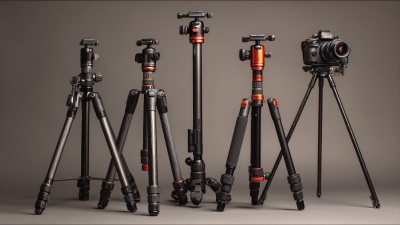
Choosing the right tripod is essential for every photographer. Not all tripods are created equal. Different types cater to various photographic needs. Understanding these types can help you make an informed decision.
A lightweight tripod is ideal for travel photography. It’s easy to carry, but it may not be sturdy for windier conditions. A heavy-duty tripod, on the other hand, offers stability. It stays firmly planted, which is great for long exposure shots. However, lugging it around can be tiring and impractical for hikes.
For versatility, a fluid head tripod is excellent for video work. It allows smooth panning, which enhances the filming experience. Nevertheless, its complexity may be daunting for beginners. A flexible tripod can adapt to uneven surfaces, but its stability might be compromised. Each option has its pros and cons, requiring careful consideration based on your specific needs and shooting style.
How to Choose the Right Professional Tripod for Your Photography Needs?
| Tripod Type |
Material |
Weight Capacity |
Height (Collapsed/Extended) |
Best For |
| Aluminum Tripod |
Aluminum |
15 kg |
40 cm / 160 cm |
General Photography |
| Carbon Fiber Tripod |
Carbon Fiber |
20 kg |
30 cm / 170 cm |
Travel and Landscape |
| Compact Tripod |
Aluminum |
5 kg |
25 cm / 125 cm |
Vlogging and Mobile Photography |
| Mini Tripod |
Plastic/Aluminum |
3 kg |
10 cm / 30 cm |
Tabletop Shots and Small Devices |
| Heavy-Duty Tripod |
Aluminum |
25 kg |
50 cm / 200 cm |
Professional and Studio Work |
Key Features to Consider When Selecting a Tripod for Your Needs
When selecting a tripod, stability is crucial. A sturdy tripod prevents camera shake during long exposures. According to a 2022 study by the Camera and Imaging Products Association, over 40% of photographers cite stability as their top priority. The use of materials such as aluminum or carbon fiber can significantly affect weight and durability. Carbon fiber tripods tend to be lighter but usually come at a higher cost, making it important to balance portability and stability.
Height adjustment features are another consideration. Many tripods offer adjustable legs and center columns. Adjustability allows photographers to achieve their desired shooting angle. Reports indicate that 65% of serious photographers prefer tripods that can extend to at least 60 inches. Additionally, weight capacity matters for safety; a tripod must support the weight of your camera and lens securely. Neglecting these factors could lead to gear damage or poor image quality.
Lastly, consider the tripod head type. Ball heads offer quick adjustments, while pan-tilt heads are better for precise movements. Research shows that versatility in head design can enhance your shooting experience. Photographers often find that trial and error leads to discovering what setups best suit their style. Each element of a tripod plays a role in the overall shooting experience, and it’s worth reflecting on personal needs when making a choice.
Assessing the Ideal Height and Weight Capacity for Your Tripod
When selecting the right tripod for photography, height and weight capacity are crucial. A good rule of thumb is to assess your typical shooting environment. For landscape photography, a taller tripod allows for better angles and perspective. A tripod that extends to at least eye level can eliminate the need for awkward positions. Professional studies indicate that tripods should ideally reach at least 58 inches for most photographers. This height enables versatility across various terrains.
Weight capacity is equally important. A stable tripod can support heavier camera bodies and lenses. Reports suggest that if you're using gear over 5 pounds, your tripod should ideally accommodate at least 10 pounds of weight. This ensures balance and minimizes vibrations during long exposures. However, heavier tripods can be cumbersome. The trade-off between portability and stability often leads photographers to rethink their choices.
Consider how often you travel with your gear. A lightweight tripod may be tempting, but it often sacrifices stability. On the other hand, a sturdy, heavier option can be inconvenient for transport. Reflecting on your personal needs can help streamline the decision-making process. Ultimately, assessing your ideal height and weight capacity will help tailor a tripod that meets your specific photographic challenges.
Tripod Height and Weight Capacity Comparison
Material Choices: Aluminum vs. Carbon Fiber Tripods Explained
When selecting a tripod, the material significantly affects its performance. Both aluminum and carbon fiber tripods have their distinct advantages and disadvantages. Aluminum tripods tend to be more affordable and durable. They are heavier, which can be a drawback for travel photographers. However, their sturdiness can provide stability in windy conditions.
Carbon fiber tripods are lighter, making them more portable. They absorb vibrations better, which is beneficial for capturing sharp images. Yet, they come with a higher price tag. The investment is worth it for serious photographers who prioritize weight and stability. Maintenance is also a consideration; carbon fiber can be more sensitive to impacts than aluminum.
Personal preferences and photography styles also play a role in tripod selection. If you shoot in various environments, aluminum's durability might appeal to you. Conversely, if you hike often, the weight of a carbon fiber tripod could be a deciding factor. Reflect on where and how you photograph. This introspection helps in choosing the right tripod for your needs.
Budgeting for a Quality Tripod: What to Invest In for Photography
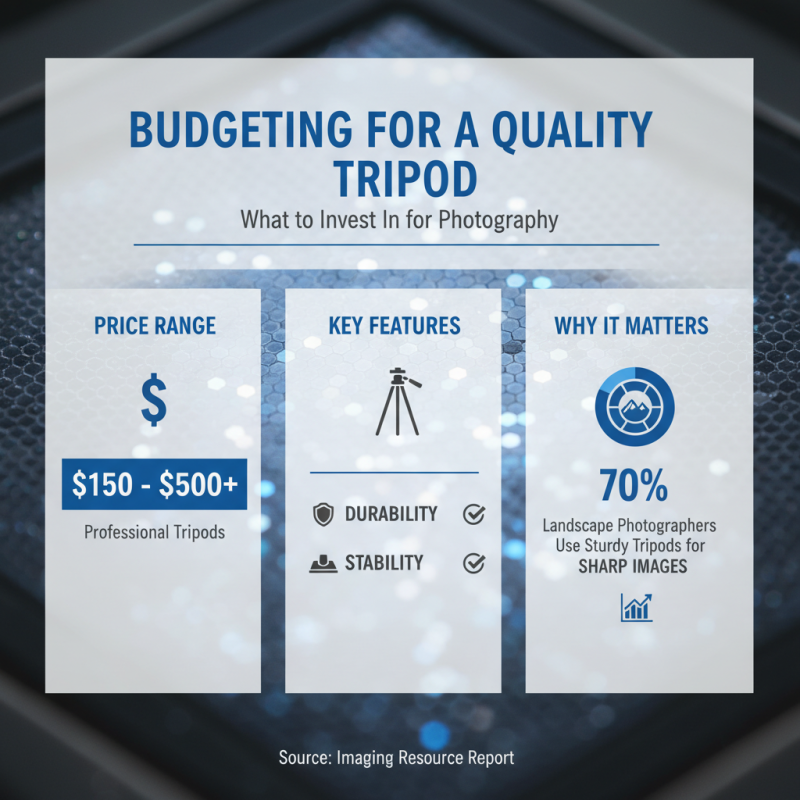
When budgeting for a professional tripod, understanding the key features is essential. High-quality tripods typically range from $150 to $500. Investing in a tripod is not about the price alone; it’s about durability and stability. A report from the Imaging Resource shows that nearly 70% of landscape photographers rely on sturdy tripods for sharp images.
Consider the materials used in the tripod. Carbon fiber models are lighter yet sturdy, making them a preferred choice. However, they come at a premium. Aluminum options are heavier but more affordable. Balancing weight and price can be tricky. Think about where you’ll shoot. Outdoor photographers may need lighter gear for portability.
Tip: Always test the tripod before purchasing. Check the ease of adjustments and how it feels in hand. Understand that cheaper models might need frequent replacements, costing more long-term.
Another aspect is weight capacity. Ensure your tripod can support your camera and lens. Tripods capable of 20 pounds or more provide flexibility for growth. A study from the American Society of Media Photographers suggests that a stable platform dramatically enhances image quality, especially in low light.
Tip: Don’t overlook tripod heads. They significantly affect your shooting experience. A fluid head is beneficial for video, while a ball head provides versatility for still shots. Choosing wisely ensures you have reliable support for your photography journey.