Top 2025 Camera Stands: Essential Features and Best Options to Consider
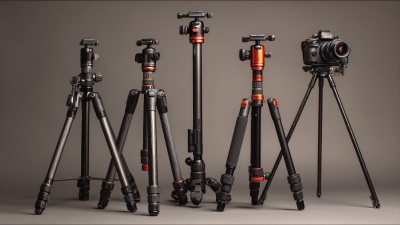
In the world of photography and videography, having the right equipment is crucial for achieving the desired results. One such essential piece of gear that often goes overlooked is the camera stand. A reliable camera stand not only stabilizes your camera, ensuring sharp and clear images, but also offers versatility and ease of use during shoots. As we look ahead to 2025, the market for camera stands is evolving, with new features and designs emerging to cater to the needs of both amateur and professional photographers alike.
When selecting the best camera stand, it's important to consider various factors, including stability, height adjustability, weight capacity, and portability. Whether you're shooting in a studio, on location, or vlogging on the go, the right camera stand can make all the difference in your workflow and the quality of your footage. As we delve into the various types of camera stands available, we will explore their essential features and highlight some of the top options that photographers should consider for their toolkit.
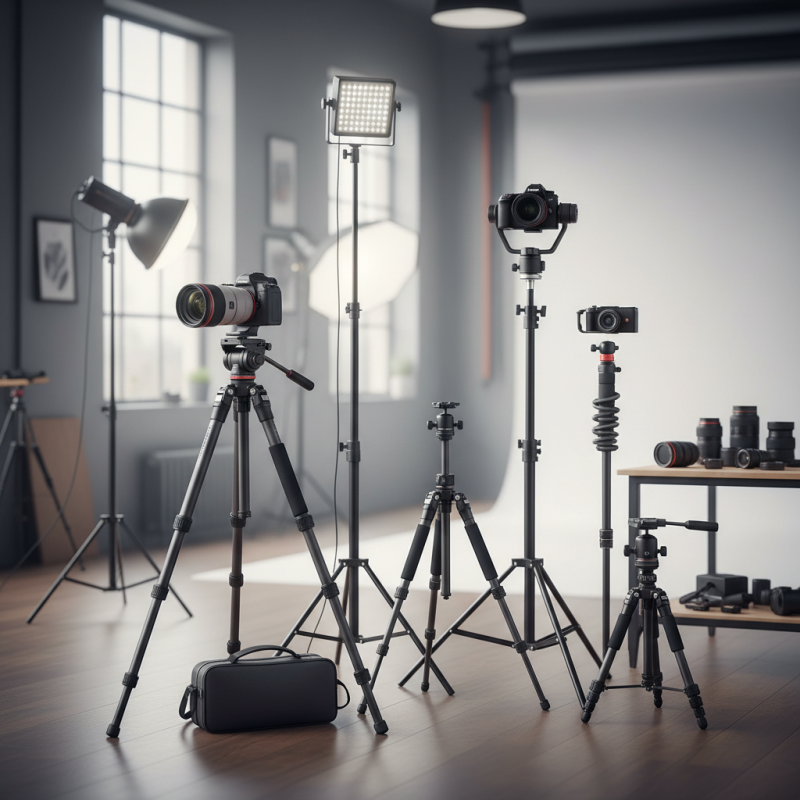
Top Camera Stand Features: Stability, Portability, and Durability Explained
When selecting a camera stand for your photography needs, three essential features stand out:
stability, portability, and durability.
Stability is crucial to ensure your shots are steady and shake-free. Look for stands with a wide base and high-quality materials that can support the weight of your camera, especially if you're working with larger gear or in challenging environments. A stable stand not only enhances the quality of your images but also instills confidence during shooting sessions.
Portability is another vital feature for photographers who are often on the move.
Lightweight options that fold easily for transport can make a significant difference when traveling or shooting on location. When considering portability, pay attention to the stand's size when collapsed and whether it includes a carrying case. This feature can significantly enhance your flexibility, allowing you to adapt to different settings quickly.
Durability cannot be overlooked, particularly for outdoor photographers.
The materials used in a camera stand should withstand various weather conditions and rough handling. Carbon fiber and high-grade aluminum are excellent choices for their strength-to-weight ratio.
Tips: Always check the weight capacity of the stand to ensure it meets your equipment requirements. Investing in a stand with adjustable height features can also provide greater versatility for different shooting angles and positions.
Essential Materials in Camera Stands: Aluminum vs. Carbon Fiber Insights
When selecting a camera stand, the choice of materials plays a crucial role in determining
performance, durability, and usability. The two most common materials used for camera stands
are aluminum and carbon fiber,
each offering distinct advantages and potential drawbacks.
Aluminum stands are known for their sturdiness and affordability, making them accessible for
beginners and those on a budget. They typically provide excellent stability, essential for
supporting heavier camera equipment, and have resilience against wear and tear. However,
aluminum can be heavier than carbon fiber, which may be a consideration for photographers who
frequently travel or require portability.
On the other hand, carbon fiber stands have gained
popularity among professional photographers who prioritize weight and versatility. These
stands are significantly lighter than their aluminum counterparts while maintaining
comparable strength, which makes them ideal for outdoor shoots where mobility is key.
Additionally, carbon fiber is less susceptible to temperature changes, meaning it doesn’t
conduct heat in the same way aluminum does. This property can enhance handling comfort
during hot shoots. However, carbon fiber tends to come at a higher price point, which
may be a limiting factor for some users.
The decision between aluminum and
carbon fiber ultimately hinges on individual preferences,
budget constraints, and specific photographic needs.
Weight Capacity Considerations for Camera Stands: Finding the Right Fit
When selecting a camera stand, one critical factor to consider is its weight capacity. The weight capacity not only affects the stability of your setup but also ensures that your investment is safe. Industry research indicates that a significant number of photographers overlook this aspect, leading to equipment failure. A study revealed that approximately 30% of camera equipment damage occurs due to improper load distribution, underscoring the importance of choosing a stand that can adequately support your gear. Professionals recommend that the combined weight of your camera and additional accessories should not exceed 75% of the stand's rated capacity to maintain optimal performance.
For those new to photography or videography, it’s essential to assess your gear's weight, including lenses and other attachments. This evaluation allows you to find a stand that provides some leeway below its maximum capacity. As a tip, always opt for sturdier models made from durable materials, which often feature a higher weight capacity and better stability. Additionally, consider adjustable stands that allow you to customize the height and angles, enhancing your shooting experience without compromising safety.
Ultimately, selecting the right camera stand involves careful consideration of weight capacity alongside other features. By prioritizing weight tolerance, photographers can avoid potential mishaps that arise from using inadequately supportive gear. Remember, investing in a reliable camera stand tailored to your equipment not only aids in achieving better shots but also extends the lifespan of your valuable tools.
Top 2025 Camera Stands: Essential Features and Best Options to Consider
| Model |
Weight Capacity (lbs) |
Height Range (in) |
Material |
Portability |
| Model A |
15 |
30-60 |
Aluminum |
High |
| Model B |
10 |
25-50 |
Steel |
Medium |
| Model C |
20 |
40-70 |
Carbon Fiber |
Very High |
| Model D |
25 |
35-65 |
Aluminum |
High |
| Model E |
30 |
28-58 |
Steel |
Medium |
Adjustability in Camera Stands: Versatility for Different Shooting Scenarios
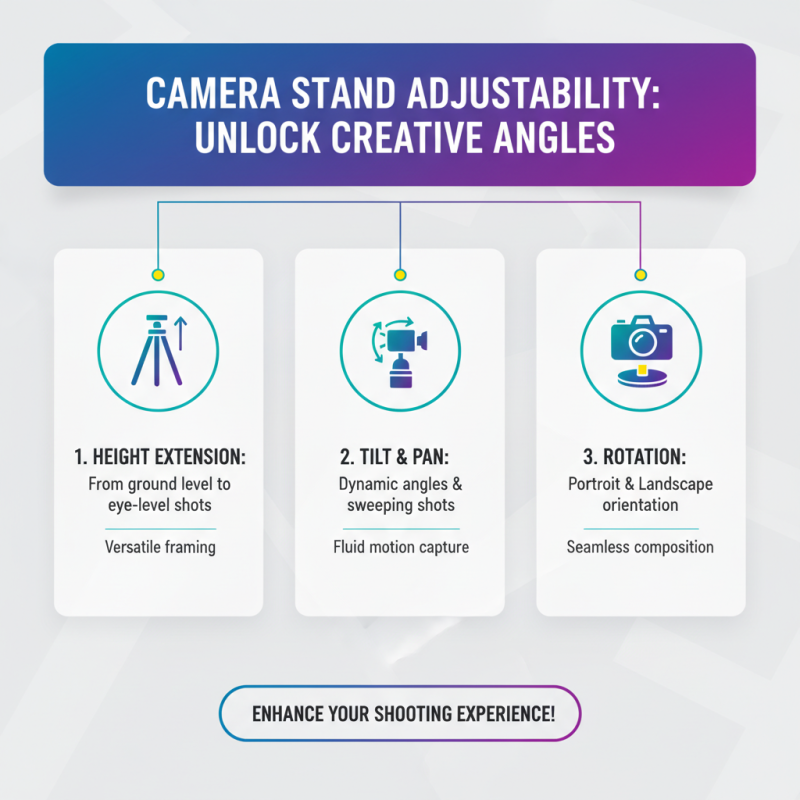
When considering camera stands, adjustability is one of the most crucial features that can enhance your shooting experience across various scenarios. A camera stand’s ability to extend, tilt, and rotate allows photographers to achieve the perfect angle and composition without having to rearrange their entire set-up. Models that offer pan-and-tilt heads provide even more flexibility, making it easy to capture dynamic shots or intricate details without compromise. This level of versatility can transform a standard shoot into a seamless operation, tailoring placement to fit the precise requirements of the scene.
Moreover, the height adjustability of a camera stand can significantly influence the creative possibilities available to a photographer. Whether capturing a sweeping landscape or a close-up detail, the ability to quickly modify the height of the stand ensures that the desired perspective is easily reachable. Additionally, some stands come equipped with multiple leg angles, allowing for stable setups on uneven terrain or unconventional surfaces. This adaptability supports a variety of shooting styles and environments, making a well-designed camera stand an invaluable ally in any photographer's arsenal.
Popular Camera Stand Brands in 2025: Quality Ratings and User Reviews
When exploring popular camera stand brands in 2025, users can find a diverse range of options that cater to various needs and preferences. Quality ratings play a significant role in consumer choice, as they reflect the durability and performance of the stands. Reviews often highlight essential features such as stability, adjustability, and compatibility with different equipment types, making it easier for photographers and videographers to select the right stand for their projects.
User feedback is invaluable, providing real-world insights into the advantages and drawbacks of specific models. Many users emphasize the importance of ease of setup and transportability, especially for those who frequently work on location. The collective experiences shared in reviews contribute to a broader understanding of how different camera stands perform under various conditions, allowing potential buyers to make informed decisions based on firsthand accounts.
As brand loyalty grows, many users are likely to return to favorites that consistently deliver quality and reliability, reinforcing a cycle of positive brand perception in the camera accessory market.