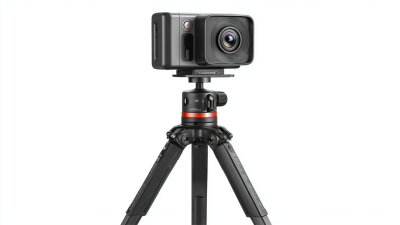
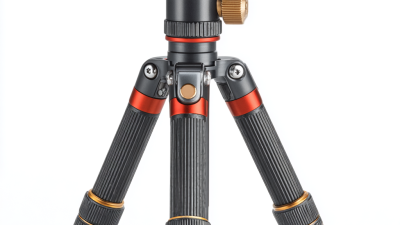
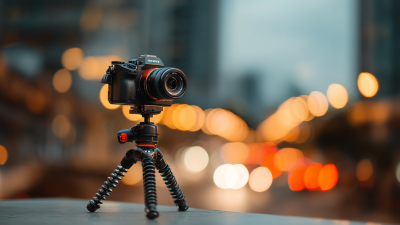
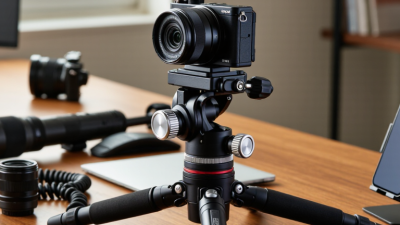
A Mini Tripod is a compact support for a camera, phone, or small light. It helps keep a shot steady when handheld footage looks shaky. Set one on a desk to record a tutorial, join a video call, or photograph a product. The short legs also make it useful for low-angle scenes, such as a cup on a café table or a plant near a window. Small setup. Less camera shake.
Photographers may use a Mini Tripod for close-up images, group photos with a timer, or long exposures when the camera supports them. Travelers often pack one because it takes less room than a full-size tripod. Some models let you adjust the legs or grip a narrow rail, but stability depends on the design and surface. Check the stated load limit, tighten the joints, and test the setup before recording. A lightweight tripod can still tip if a phone is mounted off-center.
It is not a magic fix. I still check the framing and gently tap the table before filming; a small wobble can show up clearly on screen. A mini tripod also cannot match the height or reach of a larger stand. Its value is simpler: it gives you a steady, repeatable position in places where a full tripod feels awkward. Knowing what it can—and cannot—support helps you choose the right setup for everyday photos, videos, and calls.
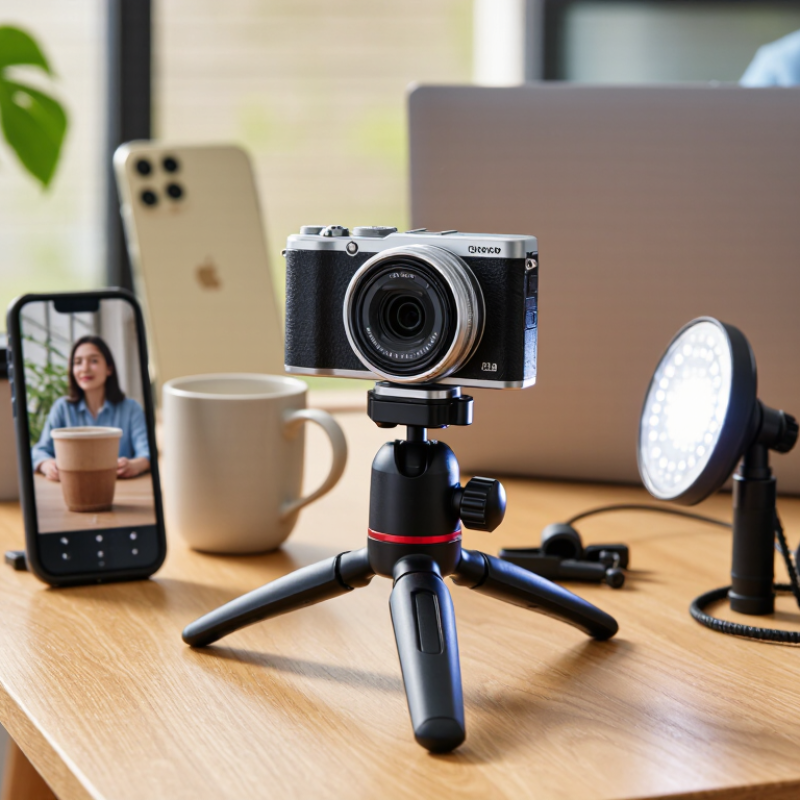
A mini tripod is a compact support for cameras, phones, and small lights. Its short legs steady a device on a desk, shelf, or flat rock. That helps reduce shake during close-up videos, group photos, and video calls. Small, but useful. A phone can be positioned at eye level for a cooking demonstration, while a pocket-sized camera can hold a consistent frame for a time-lapse.
The Camera & Imaging Products Association (CIPA) reported approximately 8.49 million digital-camera shipments worldwide in 2024. That figure does not measure tripod use, but it shows that dedicated cameras remain part of the imaging market. A mini tripod can support a compatible camera for tabletop product shots or low-angle scenes. Check the tripod’s load rating and mounting connection before attaching equipment. A large lens or heavy light may make a small stand unstable.
For phones, a clamp or holder keeps the screen visible while leaving both hands free. A small LED light can also sit on a tripod, directing soft illumination toward a face or object. Position the legs on a firm surface, then gently test for wobble before recording. Not magic. Mini tripods are less steady on uneven ground, and their low height limits framing options. I still find that a quick adjustment can save a take, though the setup sometimes needs more fiddling than expected.
A mini tripod holds a camera, compact light, microphone, or phone adapter steady on a desk, countertop, or low shooting position. Its usefulness depends partly on the mounting thread: the connection must match, not merely look close. ISO 1222:2010, Photography—Tripod connections, specifies two common thread sizes: 1/4-20 and 3/8-16. The first means a nominal 1/4-inch diameter and 20 threads per inch; the second means 3/8 inch and 16 threads per inch. Small differences matter.
The 1/4-20 connection is common on compact cameras and accessories, while 3/8-16 is often used for heavier support equipment. A snug fit matters. Don’t force a screw that catches or wobbles; cross-threading can damage the mount. An adapter may bridge different sizes, but it adds another joint that can loosen or shift. ISO 1222 defines connection dimensions, not a tripod’s safe load or resistance to tipping. Check the device manual and the tripod’s rated capacity, especially when a long lens or extended arm moves the center of gravity. One easy detail to miss: a matching thread does not guarantee a stable setup.
| Mounting detail | 1/4-20 UNC | 3/8-16 UNC | What it means when using a mini tripod |
|---|---|---|---|
| Standard connection | Specified as a tripod connection in ISO 1222 | Specified as a tripod connection in ISO 1222 | These are common camera-tripod mounting thread sizes. Check the device and tripod specifications rather than assuming they match. |
| Nominal thread diameter | 1/4 in (6.35 mm) | 3/8 in (9.525 mm) | The 3/8-inch thread is larger in diameter. The nominal size describes the thread, not the width of the tripod plate. |
| Threads per inch | 20 TPI | 16 TPI | Both use Unified National Coarse (UNC) thread forms. Their different diameters and pitches mean they are not directly interchangeable. |
| Common mini-tripod use | Attaching compatible cameras, small video cameras, or accessory mounts | Attaching equipment or support heads with a matching 3/8-16 connection | A mini tripod can support a camera or accessory for tabletop framing, low-angle shots, or a steady fixed position, within the tripod’s rated capacity. |
| Adapter considerations | A suitable adapter may connect it to a 3/8-16 fitting | A suitable adapter may connect it to a 1/4-20 fitting | Use an adapter designed for the exact thread sizes, and make sure it seats securely without bottoming out or forcing the threads. |
| Compatibility check | Confirm thread size, available thread depth, and whether the mount has a screw or a threaded socket. | Do not judge compatibility by appearance alone. Follow the equipment instructions and observe the mini tripod’s load and stability limits. | |
Practical note: ISO 1222 defines tripod connection sizes; it does not determine a mini tripod’s load capacity or guarantee that every camera or accessory will fit.
A mini tripod is useful when a phone needs to stay still but a full-size stand feels excessive. On a kitchen table, it can hold the camera steady for close-up photos of a recipe, a craft project, or a small object. Spread its legs fully and place it on a firm surface; a wobbly table can still spoil the shot. That small adjustment matters. The 2024 Wyzowl Video Marketing Statistics report found that 91% of businesses use video as a marketing tool. The figure does not measure tripod use, but it shows how common video creation has become.
For video calls, a tabletop tripod can raise the lens closer to eye level and keep framing steady while you take notes. Place it far enough back to include your face and shoulders, and check the background before the call. The angle may still look a little awkward. For time-lapses, a fixed phone makes gradual changes easier to see, whether clouds move past a window or dough rises on a counter. Lock the camera position, keep the charger within reach, and avoid bumping the table. A mini tripod will not fix poor lighting or rescue a slippery surface. It is a simple support, not magic.
A mini tripod gives a camera or phone steady, low support for close-up photography. This is useful when photographing a small flower, a watch, or the texture of handmade soap. Set the legs on a firm surface, then lower the camera until the lens sits near the subject. That angle can reveal surface details that a straight-down view often misses.
For product photos, a low viewpoint can make an object feel more substantial. It also helps keep the camera still when you use careful focus or a slower shutter speed. Move the tripod a little at a time; even a small shift can change reflections on glass or metal. Check the frame edges, too. A support leg may sneak into the shot. Mini tripods are not magic, and uneven tables can still cause wobble.
Tips: Use a folded cloth under the legs on a slick surface. Tap the screen gently to focus, then wait for vibration to settle before taking the shot. For shiny products, adjust the light before moving the camera. One detail is easy to overlook: the closest focus distance. If the lens is too near, the subject may look soft, so pull back slightly and try again.
A mini tripod is useful for low-angle product shots, tabletop video, travel portraits, and steady phone calls. Its small size does not make payload rating a minor detail. CIPA’s 2023 camera shipment report recorded about 6.14 million interchangeable-lens cameras shipped worldwide, a reminder that camera bodies often carry very different lenses and accessories. Check the combined weight of your camera, lens, microphone, and any mounted light—not just the body. Leave some capacity in reserve.
That matters. A tripod rated for 1 kilogram may technically hold a 900-gram setup, yet a long lens can shift the center of gravity and make the head creep. On a desk, that can mean a tilted frame; outdoors, a light stand may wobble in a breeze. Treat the published payload as a ceiling, not a comfort target. I would choose a mini tripod whose rating comfortably exceeds the full working setup, while checking whether the rating applies to the legs, head, or complete kit. ISO 1222:2010 standardizes the common tripod screw connection, but it does not certify payload capacity. Ratings and test methods can vary, so check the maker’s stated conditions and test your setup gently before trusting it near an edge.