Leave Your Message

What Are the Best Overhead Tripods in 2026?

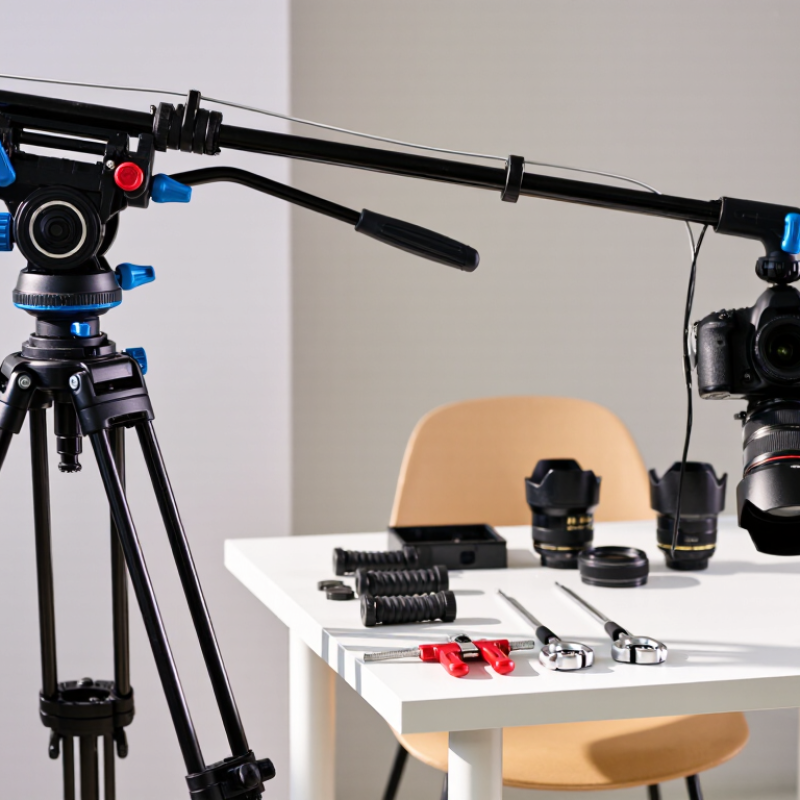
Choosing the best Overhead Tripod in 2026 is less about finding the tallest stand and more about keeping a camera steady above a real workspace. A compact table, a heavy camera, and a long horizontal arm create different demands. A useful model should offer a secure locking system, a clearly stated load capacity, and enough clearance to keep the legs out of the frame. Small details matter. A slipping clamp can ruin a carefully arranged shot.

Photographer Ansel Adams famously said, “A good photograph is knowing where to stand.” His words concern composition, not tripod design, but they capture a key challenge of overhead work: placing the camera exactly where the image needs it. This guide compares overhead tripod designs by reach, stability, adjustment range, portability, and ease of setup. It also considers practical trade-offs, such as whether a wide base fits on a crowded desk or whether a center column feels secure when extended.

There is no universal winner. A tabletop creator may value quick adjustments, while a studio photographer may prefer a heavier support that stays planted. That sounds obvious. It isn’t always. Product descriptions rarely show how a tripod behaves over a cluttered surface or after repeated repositioning. The picks ahead focus on features that can be checked, not promises alone, so you can match the support to your camera, workspace, and shooting habits.
What Are the Best Overhead Tripods in 2026?

What Overhead Tripods Are and How They Are Used

An overhead tripod is a support system that holds a camera or phone above a subject, pointing straight down. Its horizontal arm reaches over a table, craft mat, meal, or document without placing tripod legs in the working area. A secure mount, locked joints, and a counterbalanced arm help keep the camera steady. Check that the surface is level and the load stays within the equipment’s stated limit. A small shift can change the framing—or send the camera dipping.

These rigs are useful for recipe demonstrations, drawing lessons, product photography, and hands-only tutorials. They leave both hands free while keeping tools and materials visible. Wyzowl’s 2024 State of Video Marketing report found that 91% of surveyed businesses used video as a marketing tool, showing how common video creation has become. That does not mean every creator needs an overhead rig. A stack of books may work for one quick shot, but it is harder to adjust consistently. Small detail: watch for shadows cast by the arm or your own hands. They can spoil an otherwise clear view. And even a sturdy setup can feel awkward at first. Test the angle with a few practice frames before recording.
What Are the Best Overhead Tripods in 2026? — What Overhead Tripods Are and How They Are Used

Overhead tripods support a camera above a subject, often using a horizontal boom or arm. The chart shows how a 1 kg payload’s torque at the boom pivot increases with horizontal reach. Values are calculated using gravity (9.81 m/s²) and exclude the boom’s weight and other forces; they are not tripod load ratings.

Longer reach increases leverage on the support, so check the tripod and boom’s rated capacity, secure the setup, and use a suitable counterweight when required.

Key Features to Compare When Choosing an Overhead Tripod

When comparing overhead tripods, start with payload and reach together. A camera may sit within the stated weight limit yet become unstable when its arm extends far sideways. Check whether the rating includes the camera, lens, light, and cables. Then test the setup at full extension on a firm floor. Watch for creeping joints, flex, or a wobbling center column. Small movements matter. I still find reach easy to underestimate.

CIPA’s 2024 camera shipment statistics reported about 8.49 million digital cameras shipped worldwide. That figure describes the broader imaging market, not tripod performance, so it cannot prove any support system is safe. Use it only as context for the variety of camera setups people may mount overhead. Compare locking mechanisms, counterweight options, base width, and how quickly the arm can be adjusted without disturbing framing. A broad footprint helps, but it also needs room around desks and people. Check the head’s tilt range and whether its plate can be secured against accidental release. For frequent travel, weigh folded size against setup time. A compact design is convenient; a slightly heavier one may feel calmer when extended. Test before trusting it.

Types of Overhead Tripods for Different Setups

Types of Overhead Tripods for Different Setups

The best overhead tripod depends on your workspace, camera weight, and shooting angle. CIPA’s 2024 shipment report recorded about 8.29 million digital cameras shipped worldwide. That figure reflects a broad range of capture needs, from compact tabletop work to heavier studio setups. For a small desk, a clamp-on arm saves floor space and keeps the legs out of frame. Check the desk edge and clamp padding before tightening. A floor-standing tripod with a horizontal arm suits flexible home studios, but its footprint can crowd a narrow room. C-stands offer sturdier support for heavier rigs and frequent repositioning. They also need careful counterbalancing.

Wall-mounted arms can keep a permanent workstation tidy, though they limit where you can shoot. I still think arm flex is easy to underestimate, especially when a camera points straight down. A small adjustment can change framing. It may not feel dramatic, but it matters for repeatable product shots.

Tips: Check the stated load capacity, including the camera, lens, and accessories. Keep the center column low when possible, and secure counterweights before mounting equipment. Test stability with the camera removed first. A setup that works on one desk may wobble on another.

What Are the Best Overhead Tripods in 2026? - Types of Overhead Tripods for Different Setups
Setup Type Typical Configuration Best For Key Advantages Limitations Stability and Safety Notes
Horizontal center-column tripod A photographic tripod with a center column that can be positioned horizontally. Product photography, crafts, and occasional top-down video on a desk or table. Compact, portable, and quick to reposition; uses a familiar tripod head and camera plate. A sideways column shifts the center of gravity and can make the setup less stable than a vertical column. Spread the legs fully, keep the camera close to the column, and add counterweight only as directed by the tripod maker.
Tripod with a separate boom arm A sturdy tripod fitted with a horizontal arm and a compatible camera or light mounting head. Overhead photography where the camera needs to extend beyond the tripod legs. Offers flexible reach and angle adjustment without placing a leg beneath the subject. Longer extension increases leverage; the arm and tripod must be compatible with the combined load. Use a counterweight when required, secure all locks, and keep the load within the stated limits for the complete setup.
C-stand with grip head and arm A heavy stand with a grip head holding a horizontal arm and a suitable camera mounting adapter. Studio sets, larger tabletop scenes, and fixed overhead lighting or camera positions. Robust, highly adjustable, and useful when a tripod footprint would obstruct the workspace. Heavy and less convenient to transport; requires correct grip-head and arm positioning. Place the tallest leg under the arm’s load, use an appropriate counterweight, and avoid extending the arm farther than necessary.
Tabletop overhead stand A compact base or short stand with a vertical support and horizontal crossbar. Small objects, document capture, close-up tutorials, and lightweight cameras or phones. Small footprint, simple setup, and convenient positioning over a work surface. Limited reach and payload; not suited to heavy cameras or large scenes. Clamp or secure the base as designed, check that the work surface is stable, and keep the camera centered over the support.
Geared-column tripod with horizontal positioning A rigid tripod with a geared center column that can be raised precisely and, on some models, angled horizontally. Repeatable studio framing, close-up work, and setups that need controlled height adjustments. Fine height control helps make small framing changes without lifting the camera by hand. Typically heavier and more complex than a basic tripod; horizontal positioning may reduce stability. Lock the column before shooting and follow the maker’s guidance for horizontal use and maximum load.
Wall- or ceiling-mounted support A fixed arm or rail attached to a structurally suitable wall or ceiling. Permanent workstations, repeatable document capture, and spaces where floor stands are impractical. Leaves the floor and tabletop clear and can provide a consistent camera position. Not portable; installation depends on the mounting surface and appropriate hardware. Use fasteners rated for the surface and load, and have uncertain or heavy installations assessed by a qualified installer.

How Leading Overhead Tripods Compare in 2026

How Leading Overhead Tripods Compare in 2026

Choosing an overhead tripod means balancing reach, stability, and setup space. Compact tabletop arms suit close-up work, such as filming hands arranging small objects. Taller stands offer more clearance but need a broad, steady base. Compare rated payload with your camera, lens, light, and cables combined; a setup near its limit can sag. CIPA’s 2024 statistical report recorded 8.49 million digital camera shipments worldwide, up from 7.74 million in 2023. That figure describes camera shipments, not tripod sales, but it signals a substantial base of equipment that overhead rigs may need to support.

Build quality matters in everyday use. Metal joints often feel reassuring, yet weight and quick adjustments matter when moving between a kitchen counter and a desk. Check whether the arm locks firmly at full extension and whether the head can tilt without drifting. A wider footprint may improve steadiness, but it can crowd a small workspace. No spec sheet captures every wobble.

Tips: Test the rig over a padded surface before placing valuable gear above your work. Extend the arm gradually, tighten each joint, and check the frame from the camera view. Leave room for cables. Small omissions happen; recheck them.

How to Set Up and Use an Overhead Tripod Safely

What Are the Best Overhead Tripods in 2026?

How to Set Up and Use an Overhead Tripod Safely

A safe overhead setup starts with the floor, not the camera. Choose level, firm ground, then spread every leg fully and lock each brace. Keep the center column low whenever possible. Before mounting equipment, check the tripod’s rated load against the combined weight of the camera, arm, and accessories. An overhead arm shifts weight off-center, so a tripod that feels sturdy at eye level may wobble when extended. I’d rather spend an extra minute checking than trust a setup that only looks stable.

The U.S. Bureau of Labor Statistics recorded 885 fatal work injuries involving falls, slips, and trips in 2023. That figure covers workplaces broadly, not tripod incidents specifically, but it reinforces the value of clear floors and stable footing. Secure the camera plate, tighten the head, and gently test the setup from the side. Keep people out from beneath the equipment while adjusting it. If the floor shifts or a leg lifts, stop and reset.

Tips: Place the tripod’s center over a leg, not between two legs. Use only manufacturer-approved ballast, and keep cables away from walkways. Recheck every lock after changing the arm angle. Small movements matter. Even a careful setup deserves another look before filming.