A Camera Tripod does more than keep a camera upright. It helps photographers hold a steady frame when light fades, exposures grow longer, or precise composition matters. Imagine a creek at dusk: water softens into a silver blur, while rocks stay crisp. Without support, even careful hands may introduce unwanted movement. A tripod can also make repeatable framing easier for panoramas, landscapes, and product photographs.
Ansel Adams, the influential landscape photographer, wrote, “A good photograph is knowing where to stand.” A tripod gives photographers time to consider that position and refine the frame. Small adjustments become visible: a branch enters the corner, the horizon tilts, or a reflection shifts. That extra control is useful. But it is not magic. A tripod cannot choose the right composition, and a heavy model may slow a hike or discourage spontaneous shots. Some photographers leave theirs behind, then wish they had brought it. Others carry one everywhere and barely use it. The practical choice depends on the camera, location, and shooting style. This guide explores when a Camera Tripod helps, what features matter, and where its limits show. A little honest trial and error still belongs in photography.
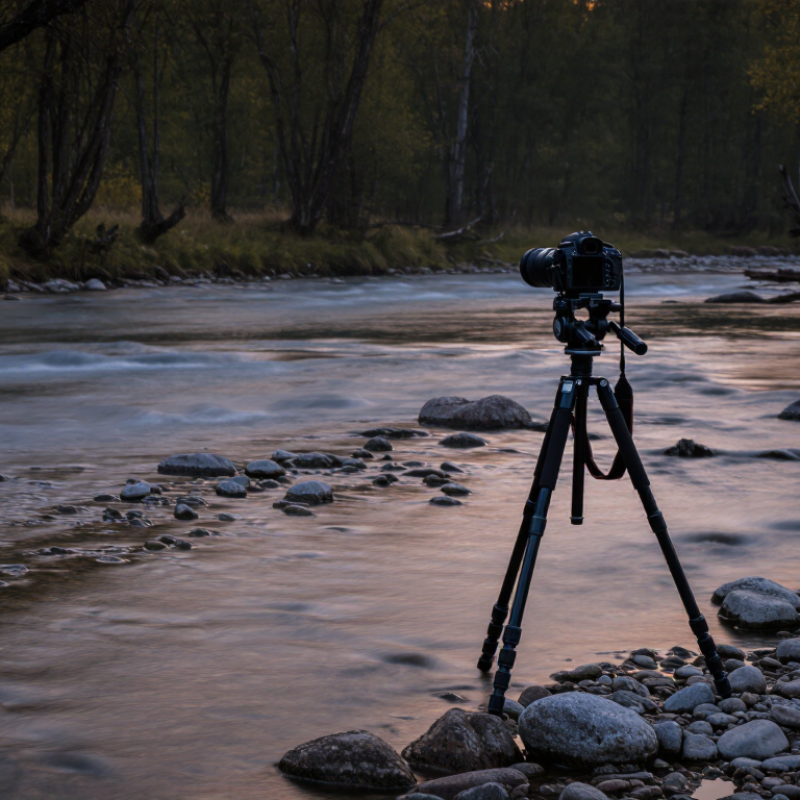
A camera tripod is a three-legged support that holds a camera steady and keeps framing consistent. Its legs spread across the ground, creating a wider base than a single support could provide. Each leg usually adjusts in length, so the camera can sit level on uneven ground or at a chosen height. Check that the leg locks are secure. A loose section can wobble.
The camera attaches to a mounting plate on the tripod head. The head lets you tilt, turn, and aim the camera, then lock it in position. Some heads move freely; others adjust along separate axes. Once locked, the tripod limits small movements caused by handholding, which can blur long exposures or detailed close-ups. It helps, but it cannot prevent every vibration. Wind, a springy floor, or a raised center column may still cause movement. Keep the center column low when stability matters. I used to think a tripod simply made every image sharper; that was too simple. It steadies the camera, but careful focus and sensible shutter settings still matter. A tiny shift can show up clearly in a photograph.
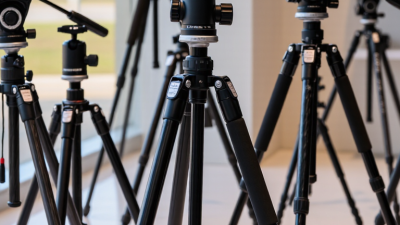
A tripod turns camera shake from a constant risk into a manageable variable. At dusk, a handheld 1/15-second exposure may blur a brick wall; a locked camera can record its mortar lines sharply at a much longer exposure. The Camera & Imaging Products Association’s CIPA DC-X011-2015 test method measures image-stabilization performance in exposure-value steps. One stop represents twice the exposure time, so even a few stops can make a practical difference. Small movements matter.
This is especially useful for landscapes, interiors, and close-up work, where detail matters and light may be limited. Set the legs firmly on the ground, keep the center column low, and use a timer or remote release to avoid nudging the camera. A tripod does not freeze moving subjects: a passing cyclist can still blur during a long exposure. Nor does it guarantee sharpness; loose locks or a springy floor can spoil the frame. I still check the image at full size, because a composition that looks steady on the screen can reveal slight softness later.
How a tripod improves image stability
The reciprocal rule suggests using a shutter speed around 1 divided by the 35mm-equivalent focal length to reduce blur from handheld camera shake. A tripod helps stabilize the camera, making slower shutter speeds practical for still subjects. These values are a guideline, not a guarantee; technique, sensor resolution, and image stabilization can affect results.
A tripod is especially useful when a technique depends on keeping the camera still. For long exposures, it lets you use a slower shutter speed to soften moving water or trace headlights across a street. A two-second timer can reduce the small shake caused by pressing the shutter. That matters. In low light, a steady camera may also let you keep ISO lower and preserve more detail. But a tripod cannot freeze a moving person; shutter speed still matters.
Landscape photography benefits from a fixed frame when you use a narrow aperture for greater depth of field. In macro work, even a slight shift can move the focus away from a flower’s fine edge. A tripod helps hold position for careful focusing, focus stacking, or exposure bracketing. It also keeps framing consistent across panoramic images. Small shifts show. Extend the legs on firm ground, and check that the camera is level before shooting. A tripod can feel slow to set up, and I sometimes find myself carrying it without using it. For changing light or moving subjects, handheld shooting may be the better choice.
A tripod’s value is steadier framing, not simply sharper pictures. CIPA’s 2023 camera-shipment statistics record about 7.7 million digital cameras shipped worldwide. That figure does not measure tripod use, but it shows how many photographers may benefit from dependable support. In practice, even a small breeze can soften a long exposure. Look for rigid leg sections, secure locks, and feet that grip the ground beneath them. Stability matters.
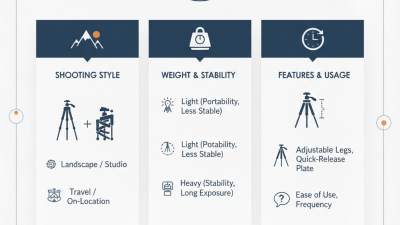
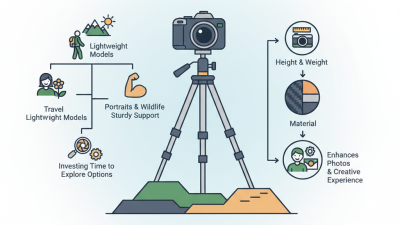
Check the tripod’s payload against your camera, largest lens, and any accessories. Leave headroom; a maximum rating is not an ideal everyday target. Compare working height without raising the center column, which can make a setup less steady. A ball head adjusts quickly, while a geared head offers finer control for careful framing. Weight is a real trade-off: a heavier model may stay planted, but could remain at home. For travel, test how the folded tripod fits beside your camera bag. One detail is easy to miss: knobs should be usable with cold fingers. There is no perfect choice. The best tripod is the one you will actually carry.
Why Is a Camera Tripod Essential for Photography?
Common Situations That Call for a Tripod
A tripod earns its place when light fades and shutter times grow longer. At dusk, a steady camera can capture detail in a quiet street without pushing the ISO too high. It also helps with waterfalls, star trails, and indoor scenes where flash would change the mood. CIPA’s 2023 camera shipment report recorded about 7.7 million digital cameras shipped worldwide. That figure does not measure tripod use, but it reflects the scale of camera photography across varied settings. Stability still matters, even with modern image stabilization.
Tripods are useful for landscapes, architectural images, and group portraits with a self-timer. They keep framing consistent when making multiple exposures or stitching a panorama. For macro work, a small shift can move a flower’s center out of focus. A tripod slows the process, though. That can be frustrating when a scene changes quickly, and a heavy model may stay in the bag.
Tips: Extend the thickest leg sections first, check that the head is locked, and use a timer or remote release. On soft ground, press each foot down gently. A tripod reduces camera movement, but it cannot freeze windblown leaves or a moving subject.
| Photography Situation | Why a Tripod Helps | Typical Technique | Practical Consideration |
|---|---|---|---|
| Low-light scenes | Keeping the camera steady helps reduce blur when using a slower shutter speed in dim conditions. | Use a low ISO when practical, select a suitable aperture, and let the shutter remain open longer. | Use a remote release or the camera’s timer to reduce movement when pressing the shutter. |
| Night photography | Long exposures can record more light, but even small camera movements can soften the image. | Secure the camera, compose the frame, and use a timed or remote shutter release. | Wind, loose ground, and contact with the camera can still cause vibration. |
| Landscape photography | A fixed position makes it easier to refine composition and maintain consistent framing. | Level the camera and adjust the composition before taking the photograph. | A tripod is especially useful at dawn, dusk, or when using smaller apertures. |
| Waterfalls and flowing water | A stable camera is needed for exposures long enough to show motion blur in moving water. | Choose a slower shutter speed and adjust exposure with aperture, ISO, or a neutral-density filter as needed. | Use a secure footing near water and protect equipment from spray. |
| HDR and panorama sequences | Consistent framing helps align multiple exposures or overlapping frames during editing. | Keep the camera position and composition steady while capturing the sequence. | A tripod can help, but careful overlap and consistent exposure settings are also important. |
| Macro photography | At high magnification, small movements are more noticeable and can shift the subject out of focus. | Stabilize the camera and make small adjustments to focus and framing. | A tripod does not freeze a moving subject; allow for subject motion and changing light. |
| Architecture and interiors | A stable camera supports careful alignment and repeatable framing, particularly in low indoor light. | Level the camera and check vertical lines before making the exposure. | Position the tripod safely without blocking walkways or interfering with others. |
| Self-portraits and group photos | A tripod holds the camera in place while the photographer joins the scene. | Set the framing, focus, and timer or remote release before moving into position. | Check that the tripod is stable and that everyone is within the frame. |