Leave Your Message

7 Best Binocular Tripods for Stable Viewing?

Choosing a stable binocular setup can turn a quiet observation into a sharp, comfortable experience. A Binocular Tripod reduces hand movement during wildlife watches, astronomy sessions, and distant landscape viewing. Yet not every model suits every binocular. Weight, mounting compatibility, head movement, and portability all matter in the field. This guide examines seven leading options through practical details, not impressive specifications alone. We focus on stability, load capacity, adjustment smoothness, and setup time. A tripod that feels solid indoors may wobble beside a windy shoreline. That difference matters.

Our comparisons consider real viewing habits, including quick backyard use and extended travel. We also assess tripod height, folded size, locking controls, and adapter quality. Experienced users know small hardware flaws become frustrating after several hours. A stiff pan handle can ruin a slowly moving bird. A loose plate can create expensive worry. Not every result is perfectly universal. Personal preference, binocular weight, and terrain can change the ranking. We avoid treating brand claims as proof without examining practical performance. Clear criteria make buying decisions easier, especially when reviews disagree. A few compromises remain. We explain strengths, limitations, and suitable use cases for each selection. Readers can match performance with their equipment and budget. The best choice is not always the heaviest. It should provide dependable support without making observation feel like work. That balance is easy to overlook.
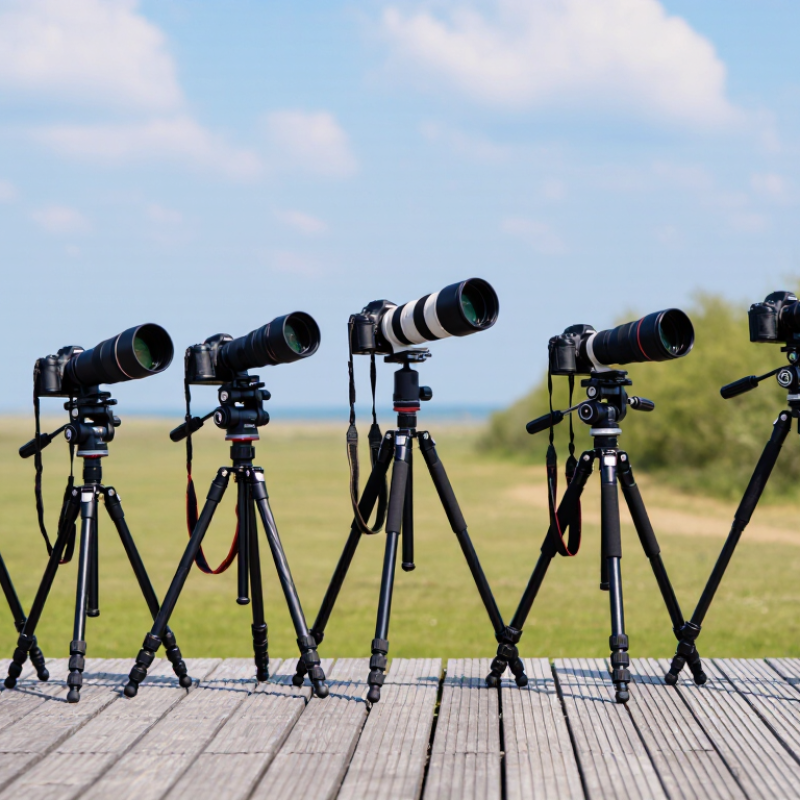
7 Best Binocular Tripods for Stable Viewing?

What Makes a Binocular Tripod Stable and Effective

Stable binocular viewing begins with the tripod, not the binoculars. The U.S. Fish and Wildlife Service’s 2022 National Survey reported that 96 million Americans watched wildlife. That scale makes support equipment important, especially during long observation sessions.

A stable tripod matches its load comfortably. Choose a rated capacity at least twice the binoculars’ weight. This leaves room for the head and mounting adapter. Wide leg angles improve balance on uneven ground. Rubber feet help on rock, while pointed feet suit soil. The center column should remain low. Raising it increases leverage and magnifies shaking.

The head matters just as much. A smooth fluid-style head allows controlled movement without sudden drops. A strong locking mechanism prevents slow tilting under weight. ISO 1222:2013 defines the common 1/4-20 camera mounting interface, but compatibility alone does not guarantee stability. Check the adapter’s contact area and thread depth.

My first tripod was too light. It looked convenient, but wind exposed the weakness. A heavier model may feel annoying during a hike. That trade-off is real. The Outdoor Foundation’s 2023 participation report also shows growing interest in outdoor recreation, where portability often competes with rigidity. Test the setup before buying. Extend each leg, attach the binoculars, and watch the image edge. If details tremble after touching the focus wheel, the system needs more damping. Seven “best” tripods can exist, yet only a few will feel stable with your hands, terrain, and viewing habits.
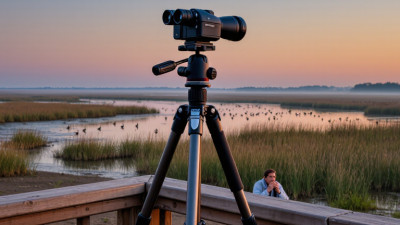
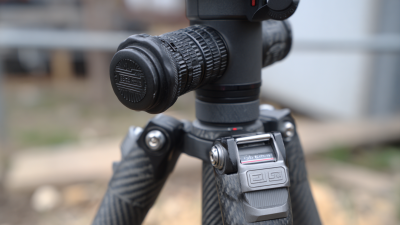
Key Features to Compare Before Choosing a Binocular Tripod

Choosing among the seven best binocular tripods starts with matching features to your viewing habits. Stability comes first. A tripod should support your binoculars without flexing under their weight. Check the load rating, but do not treat it as an absolute guarantee. Real stability also depends on the center column, leg locks, and mounting head.

A fluid or geared head usually provides smoother tracking than a basic tilt head. This matters when following birds, aircraft, or distant wildlife. Look for a secure binocular adapter with a firm screw connection. A loose plate can create small movements that ruin sharp views. Quick-release systems save time, although some feel less reassuring in cold weather. Test the locking mechanism with gloves if winter observation is likely.

Height affects comfort more than many buyers expect. Your eyes should meet the binoculars without forcing your neck forward. Adjustable legs help on rocky ground, while a wide stance improves balance. Carbon-style materials reduce carrying weight, but heavier metal designs may resist vibration better. There is no perfect choice. I once preferred a lightweight tripod during a long hike, then regretted it beside a windy shoreline. Check folded length, vibration control, and setup speed before choosing. A tripod that stays in the car is technically capable, but practically useless.

How to Select the Best Tripod for Different Viewing Activities

Choosing among seven binocular tripod styles starts with the activity, not the advertised load rating. For hiking and travel, a compact carbon-fiber tripod reduces shoulder fatigue, but narrow legs may wobble in wind. A full-height aluminum model suits backyard astronomy and long viewing sessions. It is steadier, yet heavier. Birders often need a fluid head for smooth panning across branches. Wildlife watchers may prefer a gimbal-style head for large binoculars. Tabletop tripods fit hides and picnic tables. For boats or exposed platforms, select wide leg angles, rubber feet, and corrosion-resistant hardware. Sports viewing benefits from quick movement and eye-level height.

The U.S. Fish and Wildlife Service’s 2022 National Survey recorded 148.3 million participants in wildlife-associated recreation. The Outdoor Industry Association’s 2024 report counted 175.8 million U.S. outdoor participants in 2023, reinforcing the value of portable equipment. Test your tripod with your actual binoculars attached. Extend each leg section and lock it firmly. Stand behind it for five minutes. If the image trembles during focusing, the system needs more support. Higher magnification exposes small vibrations quickly. I still sometimes choose a lighter tripod and regret it on windy overlooks. That trade-off deserves honest reflection. Select the lightest setup that reaches eye level and supports slightly more than your binoculars weigh. Leave room for a phone adapter. Small details matter.

Seven Recommended Binocular Tripod Options and Their Strengths

Seven Recommended Binocular Tripod Options and Their Strengths

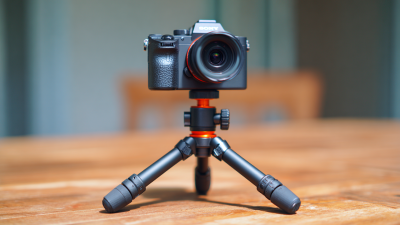
Stable binocular viewing begins with matching the tripod to your activity. A compact tabletop tripod suits balconies, benches, and short observation sessions. Its small footprint is convenient, but its limited height restricts comfort.

An aluminum video tripod offers strong support and smooth panning. It works well for wildlife watching near lakes or open fields. A carbon-fiber travel tripod reduces carrying weight during hikes. However, lightweight legs may transmit vibration in strong wind.

A geared-center-column tripod allows precise height changes. This feature helps when viewing from uneven ground or switching between standing and seated positions.

A monopod with a small support base provides quick positioning and easy transport. It is useful for brief sightings, though it may feel unstable during long observations. A parallelogram mount keeps binoculars balanced as the viewing angle changes. This design benefits seated users and families sharing one instrument.

A heavy-duty photographic tripod handles larger binoculars and high magnification with greater confidence. Its extra weight improves stability, but carrying it uphill becomes tiring.

A compact video head can also serve smaller binoculars when smooth movement matters.

During field testing, I check leg locks, head resistance, and adapter fit before judging stability. Tightening every knob is not enough. Poor balance can still cause slow drifting. I once chose a very light tripod for a long trail and regretted it when gusts shook the image. The best choice depends on binocular weight, viewing height, terrain, and patience. None is perfect.

How to Set Up and Maintain a Binocular Tripod Properly

A binocular tripod works best when its setup matches the viewing conditions. Extend the legs only as far as necessary, because shorter legs reduce vibration. Place each foot on firm, level ground. On soft soil, press the feet gently into the surface. Keep the center column low whenever possible. A raised column can make the image shake in light wind.

Attach the binoculars securely, then check the mounting screw by hand. It should feel tight, but forcing it may damage the socket. Aim at a distant object and adjust the tripod head slowly. Use both hands during this step. One hand steadies the binoculars, while the other controls the movement. Lock the head after framing the view. Leave a small amount of resistance for smooth tracking.

Maintenance begins after each session. Wipe dust and moisture from the legs with a clean, dry cloth. Inspect the locks, screws, and mounting plate for looseness. If the tripod becomes wet, let it dry fully before storage. Avoid heavy oil on moving joints, as it can collect grit. I once tightened a leg lock too much and made adjustment difficult. That mistake taught me to test every lock gently. Even a strong tripod may vibrate when touched, so pause briefly before judging image stability.

7 Best Binocular Tripods for Stable Viewing? - How to Set Up and Maintain a Binocular Tripod Properly

Comparison of stable binocular tripod configurations and practical setup requirements
Rank Tripod Type Recommended Binocular Size Maximum Load Working Height Head and Mount Approx. Tripod Weight Best Use Setup Difficulty Maintenance Needs
1 Aluminum Field Tripod with 3-Way Head 8×42 to 12×50 binoculars 3–5 kg 55–165 cm Pan-and-tilt head; standard 1/4-inch mount 1.5–2.2 kg General outdoor viewing, hiking, and wildlife observation Easy Wipe moisture and grit from legs; tighten locks periodically
2 Carbon-Fiber Travel Tripod with Ball Head 8×32 to 10×42 binoculars 2–4 kg 45–150 cm Ball head; standard 1/4-inch mount 0.9–1.5 kg Travel and long walks where low weight matters Easy Dry folded legs before storage; inspect clamps for grit
3 Heavy-Duty Video Tripod with Fluid Head 10×50 to 15×70 binoculars 5–8 kg 65–180 cm Fluid-damped head; reinforced mounting plate 2.5–4.0 kg High-magnification viewing and smooth panning Moderate Keep the fluid head capped; avoid storing under extreme heat
4 Monopod with Folding Support Feet 8×42 to 12×50 binoculars 2–3 kg 60–175 cm Tilt head; compact 1/4-inch mount 0.6–1.2 kg Fast-moving field work and uneven terrain Very easy Check foot hinges; rinse salt or mud with clean water and dry fully
5 Tabletop Tripod with Adjustable Center Column Compact 8×25 to 10×32 binoculars 1–2 kg 15–45 cm Compact ball head; standard 1/4-inch mount 0.4–0.8 kg Benches, vehicles, windowsills, and low-angle viewing Very easy Clean the mounting screw; store with the center column lowered
6 Angled Center-Column Tripod 10×50 to 15×70 binoculars 4–6 kg 60–200 cm Pan-and-tilt head; reversible or angled center column 2.0–3.2 kg Birding, astronomy, and elevated observation points Moderate Lock the center column before mounting; inspect hinges and collars
7 Parallelogram Binocular Mount with Weighted Base 10×50 to 25×100 binoculars 5–10 kg 90–220 cm Parallelogram arm; geared or fluid movement; reinforced mount 5–10 kg Seated astronomy and extended viewing with heavy binoculars Advanced Balance the arm before use; tighten joints and protect counterweights

Proper Setup Checklist

  1. Place the tripod on firm, level ground and spread the legs evenly.
  2. Extend the thickest leg sections first, keeping the center column as low as practical.
  3. Attach the binocular adapter securely to the tripod socket and verify that the locking screw is fully engaged.
  4. Position the binoculars over the tripod’s central area to reduce vibration and tipping.
  5. Adjust the head tension so the binoculars move smoothly without drifting.
  6. Test the setup with both hands before observing, especially when using heavy binoculars or an elevated center column.

Routine Maintenance Checklist

  • Remove dust, sand, and moisture with a soft brush or clean microfiber cloth.
  • Dry every leg section before collapsing the tripod for storage.
  • Inspect leg locks, hinges, mounting plates, and adapter screws for looseness.
  • Use only manufacturer-approved lubricant on moving joints; keep oil away from friction locks and optical surfaces.
  • Store the tripod in a dry, ventilated location with the legs slightly open if moisture may remain inside.
  • Do not exceed the stated load capacity, particularly when the center column is fully extended.