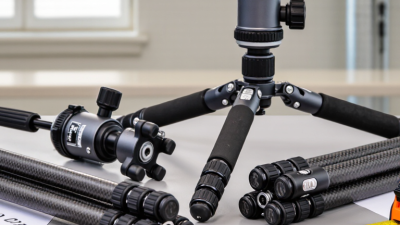
A carbon fiber tripod can make a long day of photography easier, but low weight alone does not guarantee a good choice. For global buyers, the right model must balance portability, stability, working height, and dependable support for a camera and lens. A travel photographer may value a folded length that fits beside a carry-on, while a landscape shooter may need a wider stance on uneven ground. Small details matter. A loose leg lock can become frustrating on a cold morning.
This guide to the 10 Best Carbon Fiber Tripods for Global Buyers compares practical features rather than relying on marketing claims. It considers stated load capacity, tripod weight, maximum and minimum height, leg sections, locking systems, and compatibility with common tripod heads. Buyers should check the manufacturer’s specifications and warranty details for their region, since product versions and service availability can differ. Real-world stability also depends on setup, surface, wind, and equipment weight. No tripod removes every risk of camera movement.
Searches for “Triopd Carbon Fiber” may lead to many similar-looking products, yet construction and usability can vary. Carbon fiber layup, joints, and fittings deserve attention, not just the finish. A light model may feel convenient but less reassuring with a heavy telephoto lens. That trade-off is easy to overlook. The recommendations aim to help readers narrow their options with clear criteria, while leaving room for personal priorities. There is no perfect tripod for everyone.
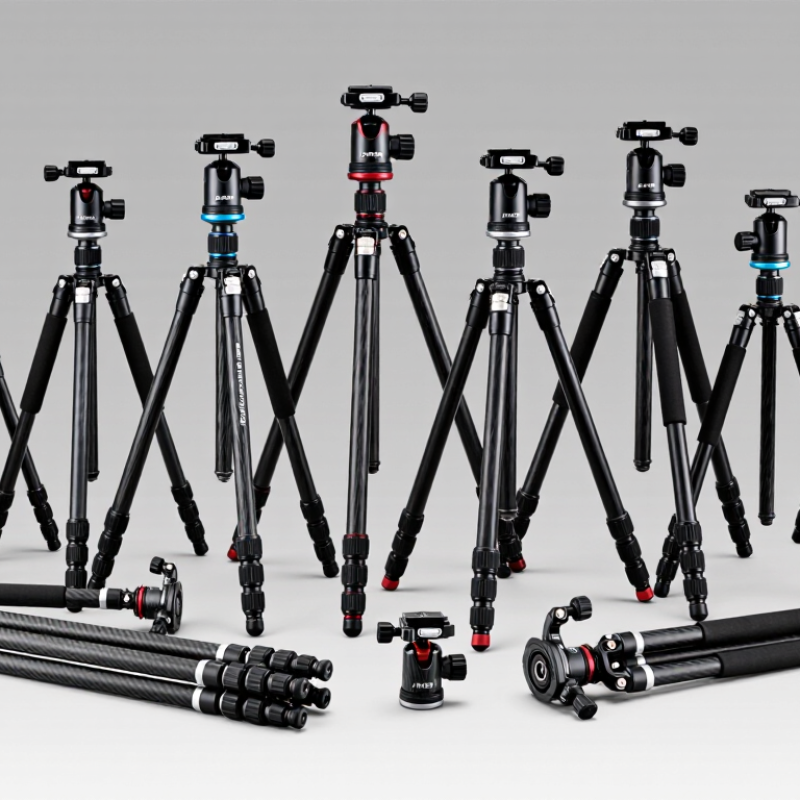
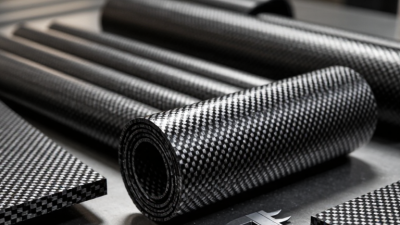
A carbon-fiber tripod can make a long walk to a viewpoint feel easier, especially when a camera and lens already fill your bag. Its tubes are often lighter than comparable aluminum ones, while remaining stiff enough for careful framing. Less shoulder strain. But a low weight rating alone does not tell you how steady a tripod will feel in wind.
Stability depends on more than the material. Leg diameter, joint fit, feet, and the center column all matter. Extending a center column high can increase vibration, even on a well-built tripod. On a rocky overlook, spread the legs securely and keep the camera low when gusts pick up. Small adjustments help.
Carbon fiber does not make a tripod immune to movement or damage. Tubes resist rust, but metal fittings still need care, and a light model may be less steady with heavy equipment. Check the working load, folded length, and leg-lock design against the gear you actually carry. A heavier option may suit studio work better; a lighter one may earn its place on a long trail. I would not choose by weight alone. It is an easy detail to overvalue.
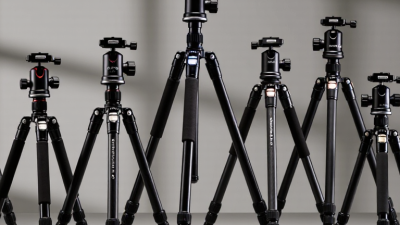
When comparing carbon fiber tripods, start with the camera and lens you actually carry. Check the rated load, but leave a practical safety margin for a long lens or accessories. A high rating alone does not guarantee steady framing. Leg diameter, joint stiffness, and the center column’s position also matter. Keep the column low for better stability. Small detail, big difference.
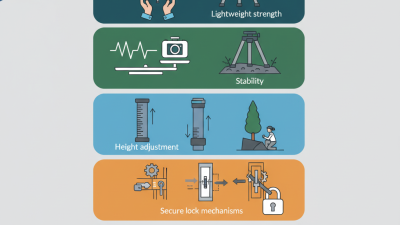
Weight and folded length shape how often a tripod comes along. Compare both figures with your travel bag, not just a product chart. More leg sections often pack shorter, but extra joints can take longer to adjust. Test the locks with cold or damp hands if possible. Twist locks can feel smooth, yet may be harder to inspect for grit. A sharp click is reassuring.
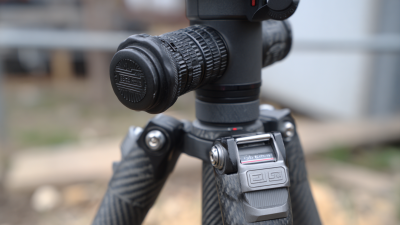
Look at leg-angle stops, foot design, and head compatibility. Rubber feet suit indoor floors, while replaceable spikes can grip soft ground. Check that the mounting plate fits your head and that the leg angle changes without pinching fingers. Carbon fiber can reduce carried weight and damp some vibration, but it cannot prevent movement in strong wind. Specifications help narrow choices; they do not replace a careful setup test. Even a sturdy tripod may wobble on loose gravel. That part is easy to overlook.
A compact travel tripod suits photographers who carry gear all day and need legs that fold small. A lightweight hiking tripod saves effort on long trails, though its slim legs may sway in strong wind. For landscapes, a taller model can help frame a distant ridge without raising the center column too far. A sturdy studio tripod supports heavier camera setups and frequent adjustments. A tabletop tripod works for close product scenes, shelves, or low viewpoints. Small, but useful.
For macro photography, a tripod with a reversible or low-position center column helps place the camera near flowers, insects, or textured surfaces. Wildlife photographers may prefer a rigid carbon fiber tripod with a compatible head that moves smoothly while tracking animals. A video-focused tripod needs controlled panning and a head designed for steady motion. A general-purpose model balances height, packed size, and load capacity for mixed assignments. A cold-weather option benefits from leg locks that remain manageable with gloves. Details matter.
Carbon fiber can reduce carrying weight and damp some vibration, but it does not make every tripod equally stable. Check the stated load limit against your camera, lens, and head together. Then test the setup at full height, especially with a long lens or in a breeze. I would not call one design perfect; lighter legs can feel less reassuring, and sturdier ones take up more space. Choose for the shots you actually make.
10 Best Carbon Fiber Tripods for Global Buyers
Match the tripod to your complete shooting kit, not the camera body alone. Add the lens, plate, battery grip, and any monitor or microphone; then compare that total with the tripod’s stated payload. Leave a comfortable margin, since a tripod near its limit can wobble when you adjust focus. Small details matter. CIPA shipment statistics report about 7.7 million digital cameras shipped in 2023 and 8.5 million in 2024, including roughly 6.3 million interchangeable-lens cameras in 2024. That range of camera systems makes one-size-fits-all support a poor assumption.
Lens choice and shooting style change the right leg design. A long telephoto lens needs a firm head and stable stance, while travel photography rewards lighter legs that pack quickly. For low-angle work, check minimum height and whether the center column can be removed. Wind matters, too. Carbon fiber can reduce carry weight, but it cannot prevent movement if the legs are thin or the head is undersized. I still sometimes choose the lighter setup and regret it on windy overlooks.
Check the tripod plate against your camera’s socket; ISO 1222:2010 specifies photographic tripod connection dimensions, but a matching screw alone does not guarantee a steady rig. For video, prioritize smooth head movement and quick leveling. For landscapes, consider leg locks you can operate with cold hands. Compare packed length, maximum height, and payload using the same units. Not always easy. A published payload figure is useful, but real stability also depends on leg extension, ground surface, and how carefully you handle the camera.
Illustrative rig-mass estimates show how setup weight can guide tripod choice. The suggested rated payload is calculated at 2× the estimated rig mass as a practical selection buffer, not a universal standard. Check the tripod maker’s payload rating and account for your shooting conditions.
For global buyers, the quoted tripod price is only part of the landed cost. Ask for a written breakdown covering the legs, head, case, export packaging, and delivery terms. Carbon-fiber models vary in tube layup, joint design, and load rating, so compare specifications rather than price alone. A light tripod may flex with a long lens. Small detail, big difference.
Shipping deserves equal scrutiny. UNCTAD’s Review of Maritime Transport 2024 reports that maritime trade grew 2.4% in 2023 and notes renewed freight-rate volatility in 2024. That makes delivery estimates less dependable than a neat checkout date suggests. Request the shipping method, tracking details, estimated customs charges, and a clear process for reporting transit damage. Photograph the carton before opening it. Keep the packaging.
Warranty terms should name the covered parts, duration, exclusions, and who pays return freight. Check whether cracked tubes, loose locks, and worn feet qualify, and whether proof of purchase is required. Ask how claims are handled across borders; a warranty can look generous yet be costly to use. Keep the answer in writing. That is practical, not perfect, but vague promises are worse.